Reported by Weng Patrick Atokor l Journalist at Weng Global
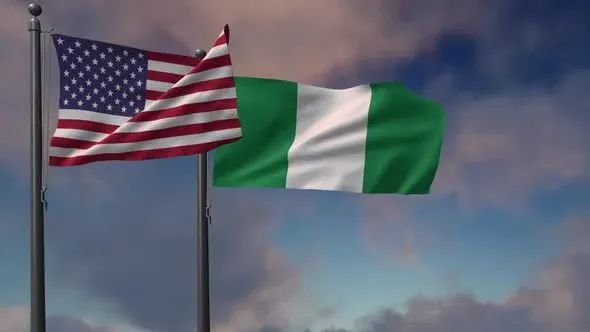
The United States has placed Nigeria on its Child Soldiers Prevention Act blacklist, raising the possibility of restrictions on certain forms of US military assistance over concerns involving the recruitment and use of children by armed groups.
The development places renewed attention on the security challenges facing Nigeria, where terrorist organisations and other armed groups have operated in several parts of the country. It also raises questions about how Washington will apply its child-soldier restrictions and what consequences the designation could have for security cooperation between the two countries.
Why the US Designation Matters
The Child Soldiers Prevention Act (CSPA) is a US law designed to discourage the recruitment and use of children by armed forces and armed groups. It provides for restrictions on specified forms of US military assistance to countries identified in the US government’s annual report on human trafficking as having recruited or used child soldiers.
However, inclusion on the list does not automatically mean that every form of American security assistance will end. The effect depends on the applicable legal restrictions, any exemptions or waivers, and the specific assistance involved.
For Nigeria, the issue is particularly significant because cooperation with the United States is important to regional counterterrorism efforts, intelligence sharing and broader security operations.
Nigeria’s Security Challenges
Nigeria has faced a prolonged security crisis involving Boko Haram, the Islamic State West Africa Province (ISWAP) and other armed groups. The conflict has affected communities, displaced civilians and placed considerable pressure on security agencies, particularly in the country’s north-east.
Children in conflict-affected areas are vulnerable to recruitment and exploitation by armed groups. Depending on the circumstances, children may be used in combat, surveillance, logistics, recruitment activities or other roles that expose them to violence and abuse.
The recruitment and use of children by terrorist organisations should be distinguished from any separate allegations concerning the Nigerian government’s own armed forces. The precise basis for Nigeria’s inclusion on the US list must therefore be established from the official designation and accompanying documentation.
Potential Impact on US-Nigeria Security Cooperation
Any restrictions arising from the designation could complicate aspects of military cooperation between Washington and Abuja. The extent of the impact would depend on which assistance programmes are covered and whether any legally permitted exceptions apply.
Nigeria continues to confront threats from terrorist organisations and other armed groups. Reduced access to particular forms of military support could create additional challenges, although the practical consequences cannot be determined without details of the affected programmes.
The designation may also increase diplomatic pressure on Nigerian authorities to demonstrate compliance with international child-protection standards and strengthen measures to prevent the recruitment and exploitation of children.
What Happens Next?
The next important step is to establish the exact restrictions attached to Nigeria’s designation, including whether the US government has announced any exemptions, waivers or implementation measures.
Nigerian authorities’ response will also be important. Any official clarification concerning the designation, the evidence supporting it and the government’s measures to protect children would help explain the likely implications for bilateral relations.
For now, the key distinction is between being named on the Child Soldiers Prevention Act list and the actual suspension of specific military assistance. The designation can trigger legal restrictions, but the scope of any resulting aid cuts must be confirmed through official US documentation.
Weng Global will continue to follow developments in US-Nigeria relations and the wider implications for child protection and regional security.
Weng Global – Stories beyond borders
Sources
- US Department of State — Trafficking in Persons Reports
- US Department of State — Child Soldiers Prevention Act
- United Nations — Children and Armed Conflict
- UNICEF — Children in Armed Conflict