Reported by Simon Daniel Yusuph l Journalist at Weng Global
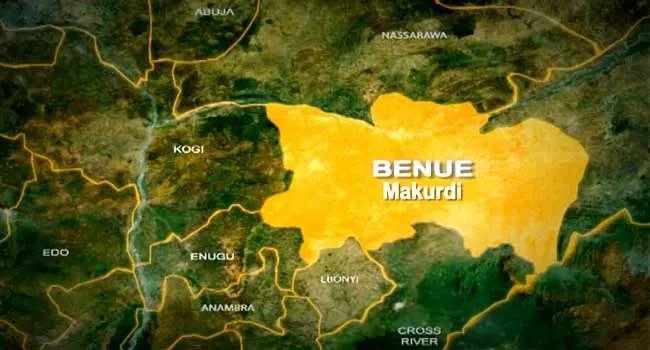
At least nine people have reportedly been killed in fresh attacks on communities in Ukum Local Government Area of Benue State, following an overnight assault by suspected armed herdsmen that left residents injured, others missing and several settlements deserted.
The attacks reportedly occurred from about 11 p.m. on Friday, October 9, into the early hours of Saturday, October 10, 2026, affecting Tse-Nyaku, Tse-Biliji and neighbouring communities in Mbatian Council Ward of Ngenev, Ukum Local Government Area.
According to a report published by Vanguard on Saturday, residents said the attackers arrived in large numbers and opened fire, forcing people to flee their homes in search of safety. Nine bodies had reportedly been recovered from the affected communities, while the whereabouts of some residents remained unknown.
However, the casualty figures and circumstances surrounding the incident had not been independently established. Benue State Police Command spokesperson DSP Peter Aondongu told Vanguard that he had yet to receive an official report of the attack when contacted.
The incident has renewed concerns about the security of rural communities in Benue State, particularly in the Sankera area, where residents have repeatedly raised concerns about armed violence, displacement and threats to their livelihoods.
What Happened in the Ukum Communities?
The affected settlements are located in Ukum Local Government Area, part of Benue State’s Sankera axis, an area where residents have faced recurring security challenges.
A local source quoted by Vanguard, who requested anonymity, said the assailants invaded the communities in large numbers and fired weapons, triggering panic and forcing residents to escape.
The source said nine bodies had been recovered at the time of the report, adding that several other people had not been accounted for.
The reported number of missing residents raised concerns that the final casualty figure could change as families searched for relatives and more information emerged from the affected settlements.
However, the whereabouts of those reported missing remained unclear. It was not established whether they had been killed, injured, taken away or had escaped to neighbouring communities.
The attacks reportedly caused residents to abandon the affected settlements, leaving families uncertain about when they could safely return to their homes.
The full extent of the damage to homes, farms and other property had not been established in the available reporting.
Weng Global has not independently verified the reported casualty figures or established the identities of those responsible.
Although local accounts attributed the attack to suspected armed herdsmen, the identities and affiliations of the assailants had not been officially confirmed in the reports available at the time of publication.
That distinction remains important as investigations into the incident develop.
Police Yet to Receive Official Report
DSP Peter Aondongu, the spokesperson for the Benue State Police Command, told Vanguard that he had not received a report of the attack when contacted.
His response indicated that the incident had not yet been formally communicated to him at the time of the newspaper’s inquiry.
The absence of an official police account meant that important details, including the confirmed number of casualties, the number of injured residents and the circumstances of the attack, remained unresolved.
It also meant that no verified information was immediately available in the report about arrests, the deployment of additional security personnel or a formal investigation into the incident.
In situations involving attacks on remote communities, establishing an accurate account can require information from local residents, security personnel, medical facilities and local authorities.
However, the absence of a formal report does not establish that an attack did not occur. It means the details still require confirmation from the relevant authorities.
The police and other security agencies will be important sources of information as efforts to establish the circumstances of the incident continue.
As of the latest reports consulted for this article, no official statement confirming the nine reported deaths or announcing arrests in connection with this particular attack had been identified.
Livinus Tyodoo Condemns the Reported Killings
Livinus Tyodoo, the Peoples Democratic Party candidate for Ukum I (Ngenev) State Constituency in the Benue State House of Assembly, condemned the reported attacks and called for urgent action to protect residents.
In a statement reported by Vanguard, Tyodoo said he had received disturbing reports of the violence on Friday night and into Saturday morning.
He described the incident as another serious attack on communities whose residents should be able to live, work and cultivate their land without fear.
Tyodoo also expressed concern about reports of deaths, injuries and missing residents, while calling on the Benue State Government, Ukum Local Government Council and security agencies to strengthen protective measures in vulnerable communities.
He urged authorities to improve intelligence gathering, increase proactive security deployments where necessary, identify those responsible and ensure that suspects are prosecuted in accordance with the law.
His statement also emphasised the importance of enabling displaced residents to return to their homes and resume their livelihoods safely.
Tyodoo called for a coordinated response rather than political arguments over the incident.
His remarks represent a political representative’s response to the reported violence. They do not independently establish the casualty figures or the identities of the attackers.
As of the latest reports consulted, a detailed response from the Benue State Government or Ukum Local Government Council specifically addressing the October 9–10 incident had not been identified.
Residents Reportedly Flee as Communities Are Deserted
The reported displacement of residents is among the immediate concerns arising from the attack.
According to the local account cited by Vanguard, the affected communities had been deserted following the violence.
When residents leave their homes at short notice, they may be forced to seek temporary shelter with relatives or in neighbouring settlements. Such movements can also separate families and make it more difficult to establish who is missing.
The reported disappearance of some residents adds to the uncertainty surrounding the incident.
Until more information becomes available, it remains unclear how many people fled, where they went and whether they have been reunited with their families.
The situation also raises questions about the safety of residents who may wish to return to their homes.
Any return would depend on the security conditions in the affected areas and the ability of relevant authorities to address immediate threats.
The available reports did not provide a verified number of displaced residents or identify specific locations where those who escaped had sought shelter.
These details will be important in determining the humanitarian consequences of the incident and whether affected families require emergency assistance.
Insecurity Continues to Threaten Rural Livelihoods in Benue
The latest reported attack adds to wider security concerns in Benue State, where repeated violence has affected rural communities and raised fears about the safety of residents and their livelihoods.
Ukum is part of the state’s Sankera area, where communities depend heavily on agriculture and other local economic activities.
When violence forces residents to abandon their homes, the consequences can extend beyond immediate casualties.
Farmers may be unable to reach their fields, traders may lose access to markets, and families may face additional expenses as they seek shelter and basic necessities elsewhere.
Displacement can also interrupt children’s education, limit access to healthcare and weaken the economic activities that support rural households.
These consequences depend on the scale and duration of the displacement, which had not been established for the latest incident.
Nevertheless, the reported abandonment of the affected settlements illustrates why security responses must consider both immediate protection and the conditions required for communities to resume normal life.
For residents whose livelihoods depend on farming, the ability to access their land safely is particularly important.
If insecurity persists, families may face difficult choices about whether to remain in their communities, move temporarily or abandon their homes and farms.
Such decisions can have lasting economic and social consequences, particularly for households with limited resources.
The Wider Security Challenge in Nigeria’s Middle Belt
Benue State lies within Nigeria’s Middle Belt, a region that has experienced recurring communal violence and attacks on rural settlements.
The causes and circumstances of individual incidents differ, and the latest attack in Ukum should not be assigned a definitive motive without evidence.
Across parts of the region, however, violence involving armed groups, disputes over land and resources, and broader security failures has contributed to persistent fears among affected communities.
The federal and state governments face the challenge of protecting residents across large rural areas, including settlements that may be far from major security installations.
Effective responses can require timely intelligence, cooperation between communities and security agencies, rapid investigation of attacks and the prosecution of those found responsible.
They may also require measures to protect displaced people and support the safe return of residents when conditions permit.
The latest incident reinforces the importance of distinguishing between allegations about the perpetrators and facts established through investigation.
Although residents reportedly suspected armed herdsmen, a credible investigation would need to establish who carried out the attack and whether any individuals or groups could be linked to it.
Accurate identification matters not only for accountability but also for preventing unverified allegations from deepening tensions between communities.
Authorities must therefore establish the facts while ensuring that affected residents receive appropriate protection.
Why the Attack Matters
The reported killings in Ukum highlight the immediate responsibility of security agencies to protect lives and investigate attacks on civilian communities.
For families who have lost relatives, the first priority is establishing what happened and ensuring that those responsible are held accountable through lawful procedures.
For people whose relatives remain missing, reliable information about their whereabouts is equally urgent.
The reported injuries also raise questions about access to medical care, although the available reports did not establish how many people were injured or where they were receiving treatment.
Beyond the immediate consequences, the reported displacement underscores the vulnerability of rural households when violence interrupts access to homes, farms and essential services.
The incident also places renewed attention on the need for communication between local communities, local government authorities, state officials and security agencies.
Residents may possess information that can help investigators understand what happened, while authorities can provide verified updates and explain what measures are being taken to prevent further attacks.
Such cooperation must be handled carefully, with due regard for the safety of witnesses and the privacy of affected families.
Public communication is also important in preventing rumours from spreading during a developing security incident.
When official information is limited, unverified casualty figures and claims about perpetrators can circulate quickly. Timely, accurate updates can help the public understand what is known and what remains under investigation.
For Benue residents, the broader concern is whether the latest incident will be followed by effective measures to protect vulnerable communities and reduce the risk of further violence.
What Happens Next?
The immediate priority is to establish the confirmed number of people killed and injured, determine the whereabouts of missing residents and clarify the circumstances of the attack.
The Benue State Police Command and other relevant security agencies would need to provide an authoritative account of the incident as more information becomes available.
Investigators would also need to establish the identities of the attackers, determine their motive where evidence permits and pursue those suspected of involvement.
Any arrests or prosecutions should be based on evidence and due process.
Local authorities and emergency responders may also need to assess the condition of affected communities, identify displaced households and determine whether residents require medical assistance or temporary support.
A further priority is ensuring that families can return to their homes when security conditions allow, without exposing them to additional danger.
Tyodoo’s statement has called for stronger security deployments, improved intelligence gathering and concrete measures to prevent further attacks. However, the available reports did not confirm that new deployments or specific government interventions had been announced in response to this incident.
The police had also not confirmed a final casualty figure in the reporting consulted for this article.
Weng Global will therefore distinguish between reported developments and any subsequent official confirmation.
For now, the reported deaths in Ukum represent another serious concern for communities seeking safety and stability in Benue State. The priority remains establishing the facts, protecting residents, locating missing people and ensuring accountability for any crimes established through investigation.
Weng Global – stories beyond borders
Sources
- Vanguard — Report on the October 9–10, 2026, attacks in Ukum Local Government Area and the response from Livinus Tyodoo and the Benue State Police Command.
- Advocate — Additional reporting on the attacks in Tse-Nyaku, Tse-Biliji and surrounding communities.