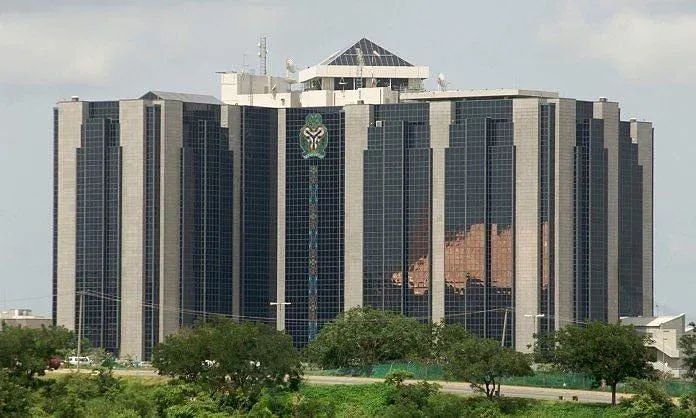
Reported by Weng Patrick Atokor l Journalist at Weng Global
The Central Bank of Nigeria (CBN) has withdrawn about ₦3.31 trillion from the banking system through its latest Open Market Operations (OMO) auction, offsetting part of the ₦2.17 trillion released into the financial system through maturing OMO bills.
The October 6, 2026 operation resulted in a net liquidity withdrawal of approximately ₦1.14 trillion, as the amount of new OMO bills allotted by the apex bank exceeded the value of securities that matured and returned funds to banks.
The latest intervention highlights the CBN’s continued use of OMO instruments to manage excess liquidity in Nigeria’s financial system, even as the central bank has recently reduced its benchmark interest rate.
CBN Allots ₦3.31tn Against ₦2tn Offer
The CBN offered ₦2 trillion in OMO bills at the October 6 auction, divided equally between 147-day and 182-day instruments.
Investor demand, however, was significantly higher than the amount initially offered.
According to the Financial Markets Dealers Association (FMDA), total subscriptions reached approximately ₦3.51 trillion, representing a bid-to-cover ratio of about 1.76 times the amount offered.
The CBN subsequently allotted approximately ₦3.31 trillion, around 65 per cent above the original offer size.
The result shows continued investor appetite for short- and medium-term naira-denominated government securities despite recent changes in monetary policy.
Investors Favour Longer-Dated Bills
Demand was particularly strong for the 182-day OMO bill.
The instrument attracted approximately ₦2.69 trillion in subscriptions against an offer of ₦1 trillion. The CBN ultimately allotted about ₦2.67 trillion at a stop rate of 16.92 per cent.
By comparison, the 147-day bill attracted approximately ₦817.95 billion in bids against ₦1 trillion offered.
The CBN allotted about ₦637.20 billion of the shorter-dated instrument at a stop rate of 17.22 per cent.
The auction therefore showed a clear preference for the longer 182-day instrument, even though its stop rate was lower than that of the 147-day bill.
The 182-day OMO bill is scheduled to mature on April 6, 2027.
The bidding pattern suggests that investors were willing to lock their funds away for a longer period, potentially reflecting their assessment of prevailing returns and expectations about the direction of interest rates.
₦2.17tn in Maturing Bills Returns to Banks
The liquidity operation took place against a substantial inflow from previously issued OMO securities.
About ₦2.17 trillion worth of OMO bills matured and returned funds to the financial system.
Without the new CBN sales, the maturity payments would have represented a significant injection of liquidity into the banking system.
However, because the CBN allotted about ₦3.31 trillion in new OMO bills, the operation ultimately removed approximately ₦1.14 trillion more from the system than it returned.
This distinction is important because the headline ₦3.31 trillion figure represents gross liquidity absorption through the auction, while the ₦1.14 trillion figure represents the approximate net effect after accounting for the maturing securities.
CBN Continues Heavy Liquidity Management
The October auction follows an unusually active period of OMO operations by the CBN.
According to Nairametrics’ analysis of auction and maturity data, the central bank sold approximately ₦17.51 trillion in OMO bills during September 2026, while about ₦10.89 trillion in previously issued bills matured.
That left an estimated net liquidity withdrawal of about ₦6.62 trillion for the month.
The September 29 auction was particularly large, with approximately ₦4.69 trillion allotted against around ₦2.43 trillion in maturing securities.
The latest October operation therefore continues a broader pattern in which the CBN has been using securities sales to absorb surplus naira liquidity from the financial system.
Liquidity management through OMO is one of the tools available to a central bank for influencing short-term money-market conditions and controlling the amount of cash circulating among financial institutions.
Interest Rates Move in Different Directions
The latest liquidity operation comes shortly after the CBN changed its monetary policy stance.
The Monetary Policy Committee reduced Nigeria’s Monetary Policy Rate (MPR) by 350 basis points to 23 per cent at its September 21–22, 2026 meeting.
The decision represented a significant reduction in the benchmark policy rate.
However, the lower MPR has not prevented the CBN from continuing to remove excess liquidity through OMO auctions.
The combination indicates that the central bank is attempting to balance two objectives: easing the benchmark cost of money while maintaining control over excess liquidity that could undermine monetary-policy transmission.
The FMDA reported that the stop rates at the October 6 OMO auction declined marginally from the comparable September auction, settling at 17.22 per cent for the 147-day bill and 16.92 per cent for the 182-day bill.
Meanwhile, financial-market reporting indicated that the overnight lending rate increased by 25 basis points to 22.2 per cent after the latest operation.
The movements demonstrate that changes in the policy rate do not automatically translate into identical movements across every segment of the money market.
Banking System Still Holds Significant Liquidity
Despite the CBN’s continued sterilisation efforts, significant liquidity remains within the financial system.
Reports following the October 6 operation indicated that system liquidity had risen after the ₦2.17 trillion in OMO maturities returned funds to the banking system.
One market report placed available system liquidity at about ₦7.09 trillion, up from approximately ₦5.05 trillion previously.
At the same time, substantial funds have continued to be placed with the CBN through its Standing Deposit Facility, an arrangement that allows eligible financial institutions to deposit excess funds with the central bank.
The continued presence of surplus liquidity helps explain why the CBN has maintained an active programme of OMO sales despite the recent reduction in its benchmark interest rate.
Why the OMO Auction Matters
The latest operation matters beyond the financial markets because liquidity conditions can influence borrowing costs, investment decisions and the broader transmission of monetary policy.
When the CBN removes large amounts of excess cash from the banking system, it can tighten short-term liquidity conditions. Depending on broader market conditions, this can influence interbank rates and the cost and availability of funds.
For banks, tighter liquidity may affect short-term funding conditions.
For investors, the strong demand for the 182-day OMO bill provides an indication of continued interest in relatively high-yielding naira instruments.
For the wider economy, the CBN’s approach reflects its effort to maintain monetary stability while responding to changing inflation, liquidity and interest-rate conditions.
The operation is also significant because it demonstrates that a reduction in the MPR does not mean the central bank has stopped actively managing liquidity.
Strong Demand for Longer-Term Instrument
The concentration of investor demand in the 182-day bill was one of the most notable features of the auction.
Investors submitted nearly ₦2.7 trillion for an instrument on which the CBN had offered ₦1 trillion.
Almost all of the bids on the longer tenor were subsequently accommodated.
The shorter 147-day instrument, by contrast, was undersubscribed, with demand falling below the ₦1 trillion offered.
The contrasting results suggest that investors’ preferences were influenced not simply by the level of the interest rate but also by the maturity period and their expectations about the market.
The 182-day bill cleared at 16.92 per cent, compared with 17.22 per cent for the 147-day instrument.
What Happens Next
The CBN is expected to continue monitoring liquidity conditions and using available monetary-policy instruments according to developments in the financial system.
The maturity profile of newly issued OMO bills will also determine when some of the funds absorbed through the latest operation could return to the banking system.
The October 6 auction therefore forms part of a continuing cycle in which the CBN sells securities to absorb liquidity and later faces maturities that return funds to financial institutions.
For investors and financial institutions, attention will remain on subsequent OMO auctions, money-market rates, system liquidity and the impact of the CBN’s recent policy-rate reduction.
For businesses and consumers, the wider significance will depend on how effectively monetary-policy changes translate into financing conditions, investment activity and broader economic stability.
The latest figures show that the CBN is easing its benchmark interest rate while continuing to actively manage surplus liquidity through the OMO market.
That balance between monetary easing and liquidity sterilisation will remain an important feature of Nigeria’s financial markets as the central bank navigates changing economic conditions.
Weng Global – Stories beyond borders
Sources
Central Bank of Nigeria — Monetary Policy Committee Communique No. 164 and monetary-policy information.
Financial Markets Dealers Association (FMDA) — Primary Market Watch, October 7, 2026.
Punch — Report on the CBN’s ₦3.31 trillion OMO liquidity withdrawal.
Nairametrics — Analysis of September 2026 OMO sales and maturities.