Reported by Simon Daniel Yusuph l Journalist at Weng Global
Artificial intelligence has become one of the defining features of the 2026 smartphone market, with manufacturers moving beyond basic photo enhancement and voice assistants to introduce phones that can understand context, summarise information, translate conversations, edit images, organise documents and, increasingly, carry out multi-step tasks on behalf of users.
From Google’s Gemini-powered Pixel 10 Pro to Samsung’s Galaxy S26 Ultra and Apple’s new iPhone 18 Pro, the leading smartphones of 2026 are using dedicated AI hardware and increasingly sophisticated software to turn artificial intelligence into an everyday mobile tool.
The competition is no longer simply about which phone has the fastest processor or highest-resolution camera. It is increasingly about which device can understand what a user is doing and reduce the number of steps required to complete a task.
Based on the depth, usefulness and integration of their AI capabilities, these are 10 smartphones that stand out in 2026.
1. Google Pixel 10 Pro — Best for Everyday AI
The Google Pixel 10 Pro stands among the strongest AI-focused smartphones of 2026 because artificial intelligence is deeply integrated into the Android experience rather than being limited to a handful of camera effects.
Gemini serves as the phone’s built-in AI assistant, allowing users to ask questions, brainstorm ideas, write, plan and interact with information. Gemini Live also allows users to have a more natural conversation with the assistant and share their camera or screen.
One of the Pixel 10 family’s most notable additions is Magic Cue, which uses information across apps, emails, screenshots and other content to proactively surface information that could be useful at a particular moment. Google says the feature can, for example, find information relevant to a conversation and present it without requiring users to manually search through different applications.
The Pixel 10 also offers Live Translate, Circle to Search, Gemini Nano, Call Assist and other AI tools. Google’s Camera Coach, meanwhile, can use Gemini models to provide suggestions about composition, lighting and camera settings.
For users who want AI to feel like a natural part of the phone rather than an additional application, the Pixel 10 Pro is one of the strongest choices in 2026.
2. Samsung Galaxy S26 Ultra — Best Android AI Powerhouse
Samsung’s Galaxy S26 Ultra represents one of the most comprehensive approaches to smartphone AI in 2026.
The Galaxy S26 generation introduces deeper Galaxy AI integration, including Now Nudge, which can understand information on the screen and suggest useful next actions. Samsung also offers AI-powered writing assistance, call transcription and translation, note summarisation, browsing assistance, photo editing, audio cleanup and other features.
The company’s AI tools are particularly useful for productivity. Call Assist can provide real-time transcription and translation, while Note Assist can organise and summarise notes. Photo Assist allows users to describe changes they want made to images.
Samsung has also been developing what it describes as a more proactive, agentic approach to Galaxy AI, with the phone increasingly capable of understanding context and helping users complete tasks.
That combination of AI, high-end hardware, photography and productivity makes the Galaxy S26 Ultra one of the most complete AI smartphones available in 2026.
3. Apple iPhone 18 Pro — Best for Apple Intelligence
Apple’s iPhone 18 Pro brings the company’s next-generation Apple Intelligence platform together with the new A20 Pro chip and iOS 27.
The biggest change is Siri AI, which Apple describes as a more personal and conversational assistant. The new Siri can use personal context, understand what is on the screen and provide broader assistance through natural-language interaction.
The A20 Pro is also designed for demanding on-device AI workloads. Apple says its dual 16-core Neural Engine provides substantially more AI processing capability than the previous generation.
The iPhone 18 Pro also benefits from Apple’s broader intelligence ecosystem, including writing assistance, image-related tools, translation and other AI-powered experiences across iOS.
For existing Apple users, the attraction is not simply the individual AI features. It is the way intelligence is being incorporated into the wider iPhone ecosystem while Apple continues to emphasise privacy and on-device processing.
There are, however, regional and language limitations. Apple says Siri AI is rolling out in beta and that some Apple Intelligence features may not be available in every language or region.
4. Samsung Galaxy Z Fold8 Ultra — Best AI Foldable
Samsung has taken the concept of AI-powered smartphones into the foldable category with the Galaxy Z Fold8 family.
The large internal display gives AI features more room to work, particularly for multitasking and productivity. Samsung’s Now Nudge can suggest contextual actions, while Gemini Notebook can organise meeting material and transform information into formats such as summaries, presentations and other content.
Samsung has also introduced agentic AI capabilities that can handle multi-step tasks. The company has demonstrated scenarios in which a user can provide an instruction to Gemini and allow the system to find relevant information or perform actions across applications, with user confirmation required for important steps.
The Z Fold8 also includes My FanCam, which uses AI to identify and follow a selected person in video footage, automatically reframing the recording.
For professionals who need a large screen and frequently switch between communication, documents and AI tools, the Z Fold8 Ultra offers a particularly powerful combination.
5. Google Pixel 10 Pro Fold — Best AI Foldable for Gemini
Google’s Pixel 10 Pro Fold combines the company’s foldable hardware with its extensive Gemini ecosystem.
The device provides Magic Cue, Gemini Live, Live Translate and Circle to Search, while its larger screen creates more space for AI-assisted work.
Google also gives the foldable access to advanced Gemini capabilities that can help users research, create content, interact with information and complete tasks across applications. The phone can also generate short videos from descriptions and use AI tools for photography.
Camera Coach is another interesting feature. Google says it uses Gemini models to assess a scene and offer suggestions about angles, lighting and camera modes. Users can also use AI-powered photo editing tools by describing the changes they want.
For people who want the Google AI experience but prefer a foldable form factor, the Pixel 10 Pro Fold is one of the strongest options.
6. OnePlus 15 — Best AI Phone for Productivity and Performance
The OnePlus 15 combines high-end hardware with a growing collection of AI tools in OxygenOS.
Among its notable features is AI VoiceScribe, which can provide call summaries and translate foreign-language video content in real time. The phone also includes AI Scan for intelligently scanning documents and presentations, as well as AI-powered portrait and photography tools.
OnePlus has also connected Google Gemini with its broader software environment. The company says Gemini can work with features such as Mind Space, giving users a way to use AI for travel, work, study and other tasks.
The OnePlus 15 is particularly interesting for users who want AI but do not want the phone to sacrifice performance or battery life. Its 7,300mAh battery and powerful hardware make it a strong option for demanding users who use AI tools alongside gaming, productivity and media consumption.
7. HONOR Magic8 Pro — Best for AI Photography and On-Device Assistance
The HONOR Magic8 Pro takes an aggressive approach to artificial intelligence, combining AI photography, AI agents and security features.
Its AI system includes AI Screen Suggestions, which analyses screen content and provides relevant functions. An AI Settings Agent can understand natural-language instructions and help configure the device, while an AI Photos Agent can assist with erasing, enhancing, restyling, outpainting and other image-editing tasks.
HONOR also incorporates AI-powered deepfake and voice-cloning detection, making AI part of the phone’s security strategy rather than merely its entertainment features.
The phone also integrates Gemini, allowing users to discuss what they see through the camera or on the screen.
Its combination of a 200MP telephoto camera, AI imaging and AI agents makes the Magic8 Pro particularly attractive to photography-focused users.
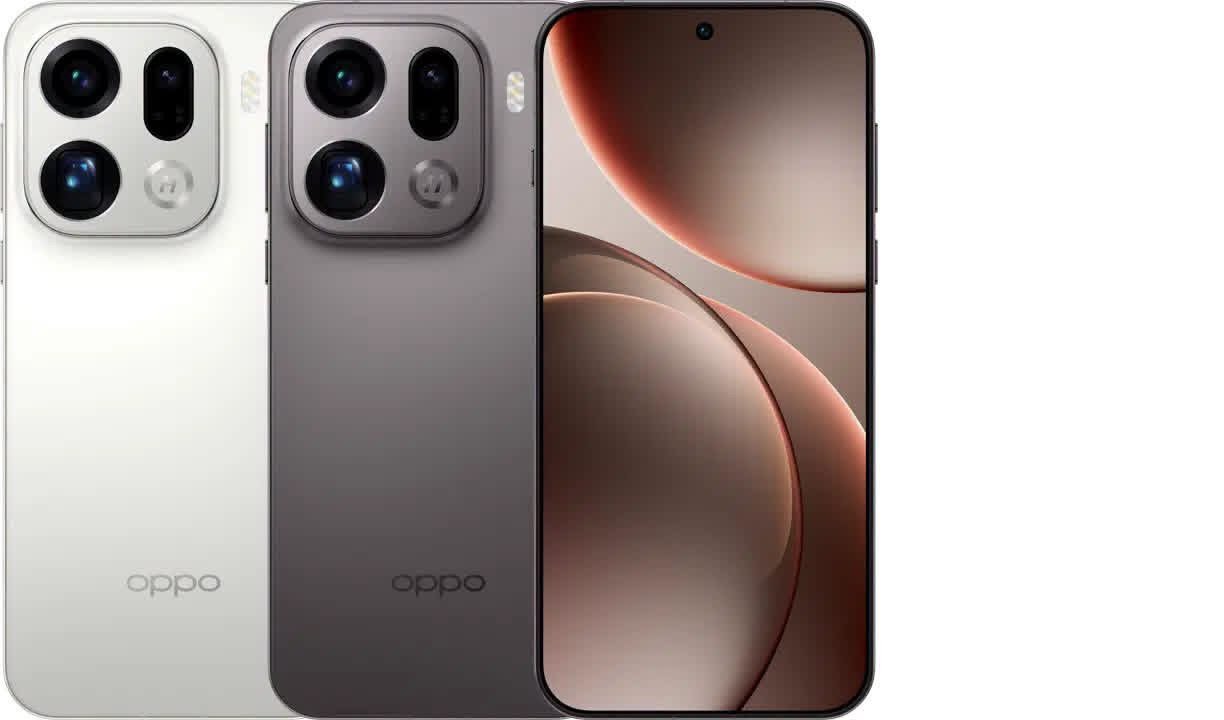
8. OPPO Find X9 Pro — Best AI Memory and Meeting Tools
OPPO’s Find X9 Pro takes a different approach by focusing heavily on productivity.
One of its headline features is AI Mind Space, described by OPPO as a second brain for the phone. Users can capture voice notes, text, images, tickets, plans or other information using the device’s Snap Key. The phone analyses and organises the material so users can retrieve it later.
The Find X9 Pro also includes AI Recording, which can transcribe meetings, identify speakers and generate titles, tags and chapters.
Its AI Writer can help users create emails and social posts, while longer information can be transformed into summaries, tables or mind maps. Gemini Live integration also allows users to discuss what they see through the camera or on the screen.
For journalists, students, business professionals and other users who spend much of their day collecting information, the Find X9 Pro’s approach to AI could prove especially useful.
9. vivo X300 Pro — Best for AI-Assisted Photography and Documents
The vivo X300 Pro combines advanced camera hardware with a broad collection of AI tools.
Its AI Image Studio provides AI-assisted editing, while features such as AI Erase and AI Landscape Master can help users modify and improve photographs.
The phone also includes AI-powered document tools. vivo DocMaster can summarise, refine, expand and translate documents, while AI Search allows users to find information on the phone using natural language.
AI Captions can transcribe, translate and summarise speech from meetings, calls and videos, turning spoken information into written material. vivo says some of its personalised AI services are processed on-device as part of its approach to data minimisation.
For content creators and professionals who regularly work with photographs and documents, the X300 Pro provides a useful combination of creative and productivity-focused AI.
10. Motorola Razr Ultra — Best AI Flip Phone
Motorola’s Razr Ultra brings AI into a compact foldable design while maintaining a strong emphasis on hands-free assistance.
Its Moto AI system can summarise notifications through features such as “Catch me up”, while other functions are designed to help users remember information, organise content and interact with the phone more naturally.
Motorola also integrates Google Gemini, allowing users to hold live conversations with the assistant, brainstorm ideas and discuss subjects in real time.
The phone’s AI-powered camera system includes tools for improving photographs, while Moto AI also offers functions such as Image Studio and other creative and organisational features.
The Razr Ultra is therefore particularly appealing to users who want AI assistance without carrying a traditional large-screen flagship.
What Separates the Best AI Phones in 2026?
The biggest change in 2026 is that smartphone AI is becoming less about isolated features and more about context.
Earlier AI smartphones often promoted tools such as object removal, automatic photo enhancement or text rewriting. Those features remain useful, but the latest generation is attempting something broader.
Google’s Magic Cue, Samsung’s Now Nudge, Apple’s Siri AI, HONOR’s AI agents and OPPO’s AI Mind Space all point towards the same direction: phones that understand what users are doing and help them act on information without requiring multiple manual steps.
Another important distinction is between on-device AI and cloud-based AI.
On-device processing can improve privacy and responsiveness, particularly for tasks that do not require a large remote model. Cloud-based AI, meanwhile, can provide access to more powerful models and more complex functions. Modern smartphones increasingly combine both approaches.
The result is a smartphone that is becoming more than a communications device. It is increasingly a personal research assistant, translator, editor, organiser, camera assistant and productivity tool.
AI Features That Matter Most to Ordinary Users
For everyday smartphone owners, the most useful AI features may not necessarily be the most impressive demonstrations.
Translation can be valuable for travellers, international businesses and communication across language barriers.
Transcription and summarisation can save time for journalists, students, researchers and professionals attending meetings.
AI photo editing can help ordinary users improve photographs without requiring advanced editing skills.
Contextual assistants can reduce the time spent searching through calendars, messages, emails and files.
Writing tools can help users draft, correct and summarise everyday communication.
AI security tools, including deepfake and voice-cloning detection, could become increasingly important as synthetic media becomes more difficult to distinguish from authentic material.
These are areas where AI can deliver practical value rather than simply demonstrating what a large language model can do.
Why It Matters
The competition between Apple, Google, Samsung, OPPO, HONOR, vivo, OnePlus and other manufacturers shows that AI is becoming a central battleground in the global smartphone industry.
For African consumers, the question is not simply which phone has the most AI features. Language availability, internet requirements, pricing, local availability and compatibility with regional services can be just as important.
Some AI functions require an internet connection, a particular account or a supported language. Manufacturers also warn that availability can differ by country, carrier, application and software version. Samsung, for example, explicitly notes that Galaxy AI availability can vary by region and language.
This means buyers should check which AI functions actually work in their country before choosing a device.
What Happens Next
The smartphone industry is likely to move further towards agentic AI, where phones do not merely answer questions but can perform sequences of actions for users.
Samsung is already demonstrating agentic functions across its 2026 devices, while Google is connecting Gemini more deeply with applications and personal information. Apple is also moving Siri towards greater contextual understanding through Apple Intelligence.
The long-term competition will therefore be about trust, privacy, reliability and usefulness as much as raw AI capability.
The best AI phone may ultimately be the one that knows when to help, performs the task accurately and remains under the user’s control.
Final Ranking
- Google Pixel 10 Pro — Best overall AI experience
- Samsung Galaxy S26 Ultra — Best Android AI powerhouse
- Apple iPhone 18 Pro — Best Apple Intelligence experience
- Samsung Galaxy Z Fold8 Ultra — Best AI foldable for productivity
- Google Pixel 10 Pro Fold — Best foldable for Gemini
- OnePlus 15 — Best combination of AI, performance and battery
- HONOR Magic8 Pro — Best AI photography and AI-agent features
- OPPO Find X9 Pro — Best AI memory and meeting productivity
- vivo X300 Pro — Best AI photography and document tools
- Motorola Razr Ultra — Best AI flip-phone experience
The ranking is editorial rather than an official industry ranking. It considers the breadth, practical usefulness and integration of AI features available on the devices in 2026.
Image Recommendation
A feature image showing several flagship smartphones representing Google, Samsung, Apple, OnePlus, HONOR, OPPO, vivo and Motorola, preferably using officially supplied or properly licensed product photography.
Weng Global – stories beyond borders
sources
Apple
Google Store
Samsung Electronics
Samsung Africa
OnePlus
Xiaomi
OPPO
vivo
HONOR
Motorola
TechRadar
Stuff
The Guardian
Tech Advisor