Reported by Weng Patrick Atokor l Journalist at Weng Global
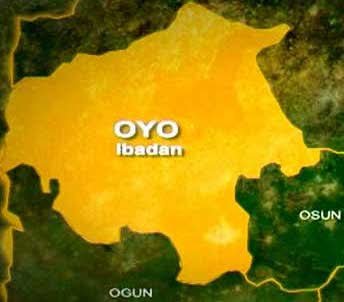
The Oyo State Government has explained why it discontinued its proposed maize export arrangement with Botswana, saying feasibility studies showed that large-scale maize production for international export was not economically viable for the state.
The clarification was contained in a statement issued in Ibadan on Friday, October 2, 2026, by the Special Adviser to Governor Seyi Makinde on Media, Dr Sulaimon Olanrewaju.
According to the state government, the decision followed an assessment of production costs, market conditions and Oyo State’s competitiveness in maize production.
The government said the decision was intended to protect farmers from entering an export arrangement that could expose them to additional economic risks.
How the Botswana maize plan began
The proposed arrangement dates back to Governor Makinde’s first term, when his administration explored the possibility of exporting maize produced by Oyo farmers to Botswana.
In 2019, shortly after assuming office, Makinde announced that his administration was already in discussions with Botswana over the export of maize from Oyo State.
The proposal was expected to provide farmers with access to an international market, create guaranteed off-take opportunities and generate foreign exchange earnings.
Contemporary reports of Makinde’s inaugural address show that he said Botswana was prepared to give Nigerian farmers an opportunity to supply its market, while also welcoming a delegation led by Business Botswana President Gobusamang Keebine.
The proposal subsequently became part of the state government’s broader ambition to commercialise agriculture and connect farmers to domestic and international markets.
Why Oyo changed course
The state government said subsequent feasibility studies conducted by the Oyo State Agribusiness Development Agency (OYSADA) produced a different assessment of the proposed export arrangement.
It said the studies found that Oyo State did not have a sufficiently strong comparative advantage in maize production at the scale and price required to sustain international exports.
In other words, the government said the cost and production conditions necessary to supply Botswana competitively did not make the proposed arrangement commercially viable.
The government therefore decided to redirect its agricultural strategy towards value chains it said offered stronger economic prospects, particularly cassava production and processing.
The explanation was also reported by Punch, Vanguard and Tribune, which all attributed the position to the statement from the governor’s media aide.
National maize market also affected decision
The Oyo Government further linked its decision to changes in Nigeria’s maize market.
According to the state, the Federal Government’s approval of large-scale maize imports affected domestic maize prices and changed the economics of producing maize for export.
The state government said proceeding with the Botswana arrangement under those conditions could have exposed Oyo farmers to additional market pressure.
The explanation places the decision within a wider challenge facing agricultural producers: an export opportunity may exist, but production costs, domestic prices, logistics and international competitiveness can determine whether that opportunity is commercially sustainable.
Shift towards cassava and agro-processing
Rather than abandoning international agricultural trade, the Oyo Government said it was redirecting attention towards agricultural value chains with greater processing and export potential.
Cassava has consequently become a major part of the state’s agricultural strategy.
The government said feasibility studies indicated stronger prospects for cassava and that the state was expanding production and processing to meet industrial demand.
This represents a shift from concentrating on the export of a primary commodity towards developing value chains that can connect farmers with processors, investors and larger markets.
The state has also pointed to the establishment of OYSADA and the development of agribusiness infrastructure as part of this wider strategy.
Oyo says it remains committed to international trade
The government stressed that ending the proposed Botswana maize arrangement should not be interpreted as a withdrawal from international agricultural engagement.
Instead, it said Oyo was seeking to build a broader agricultural economy capable of participating in regional and continental markets.
The state cited its adoption and implementation of the African Continental Free Trade Area (AfCFTA) framework as part of its efforts to strengthen access to African markets.
It also highlighted the Fasola Agribusiness Industrial Park and the ongoing Ijaye Agribusiness Industrial Hub as components of its strategy to promote agricultural processing, investment and job creation.
The government said the Fasola facility has been recognised by the African Development Bank as Nigeria’s first Agricultural Transformation Centre.
It further cited investments in rural roads, security and the Light Up Oyo initiative, saying these measures were designed to improve the movement of agricultural produce and reduce post-harvest losses.
What the decision means for Oyo farmers
The Botswana proposal was originally presented as an opportunity to create an assured market for maize farmers.
Its discontinuation means that Oyo’s agricultural export strategy will now depend more heavily on commodities and value chains that the state considers commercially competitive.
For farmers, the government’s explanation highlights an important distinction between having access to a foreign market and being able to supply that market profitably.
International agricultural trade requires more than demand. Production costs, transportation, quality requirements, volumes, exchange rates and market prices all influence whether exports can be sustained.
The Oyo Government said its latest decision was based on those considerations and on the findings of its feasibility studies.
A policy shift rather than an end to the export ambition
The state’s explanation indicates that the Botswana maize initiative has been replaced by a broader approach to agricultural development.
Instead of pursuing one bilateral commodity arrangement, the government says it wants to develop infrastructure, processing capacity and multiple agricultural value chains that can serve wider African markets.
The immediate focus is therefore on strengthening areas where the state says it has greater commercial potential, particularly cassava and agro-processing.
The government described its approach as one centred on data, competitiveness and long-term economic sustainability.
For Oyo State, the next stage will be whether investments in agricultural processing, infrastructure and market access can translate into higher incomes for farmers, increased private-sector investment and sustainable participation in regional trade.
What readers should know
The proposed Oyo-Botswana maize arrangement was first explored during Makinde’s first term, with the intention of creating an international market for maize produced in the state.
The state government now says feasibility studies found that Oyo could not produce maize at the scale and price necessary to make the proposed export arrangement viable.
It has therefore shifted its emphasis towards cassava, agro-processing and broader participation in African markets.
The government maintains that the decision was an economic and agricultural policy adjustment rather than a rejection of international trade.
Weng Global – Stories beyond borders
Sources
- Oyo State Government — official profile of Sulaimon Olanrewaju
- Punch Newspapers — Why Oyo withdrew from Botswana maize export deal
- Tribune Online — Oyo: Makinde drops Botswana maize export plan
- Vanguard — Oyo govt clarifies Makinde’s Botswana maize deal
- InsideOyo — 2019 report on Oyo’s proposed maize exports to Botswana