Reported by Simon Daniel Yusuph l Journalist at Weng Global
President Bola Ahmed Tinubu has declared that Nigeria has moved beyond the most difficult phase of his administration’s economic reforms, saying the country is now entering an era focused on prosperity, lower living costs, job creation and wider economic opportunities.
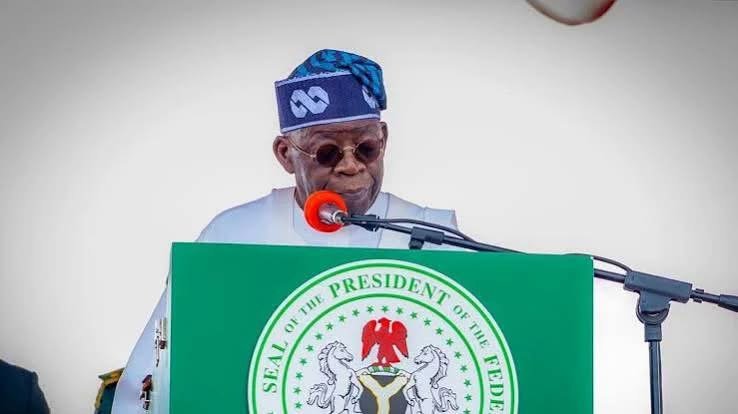
Tinubu made the declaration on Thursday, October 1, 2026, in his nationwide broadcast to mark Nigeria’s 66th Independence Anniversary.
The address comes more than three years after the President introduced major economic changes, including the removal of the petrol subsidy and reforms to the foreign exchange system. Those measures have significantly altered Nigeria’s economic landscape but have also been accompanied by higher living costs and pressure on households and businesses.
In his Independence Day message, Tinubu argued that the sacrifices associated with the reforms were necessary to correct longstanding structural weaknesses in the economy. He said the government’s attention was now shifting from implementing difficult reforms to ensuring that their benefits translate into improved living conditions for Nigerians.
The President’s message effectively placed the next phase of his administration’s economic programme around the question of whether stabilisation can be converted into tangible prosperity for citizens.
From Reform to Prosperity
The central message of Tinubu’s broadcast was that the period of the most difficult economic adjustments had passed.
The President said Nigeria was moving from an “age of reform” into an “age of prosperity”, signalling a change in emphasis from policy restructuring to the delivery of measurable economic benefits.
The Federal Government has similarly described the current period as one of moving from reform and stabilisation towards growth, production and shared prosperity.
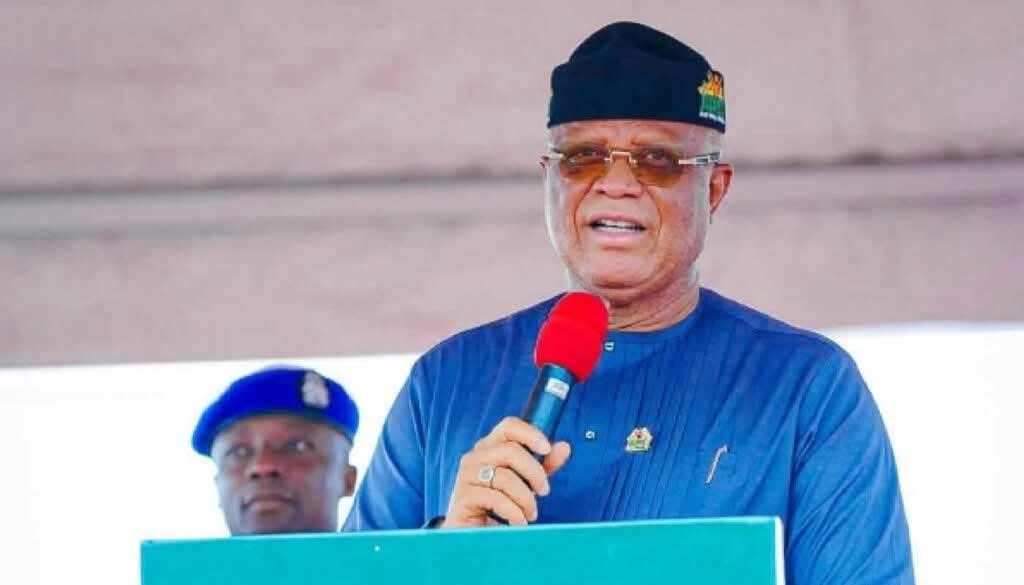
At an Independence Day public lecture in Abuja on September 30, Secretary to the Government of the Federation George Akume said the reforms undertaken since 2023 had begun to restore economic stability. He cited developments in infrastructure, agriculture, power, transport and security as part of the government’s broader programme.
The Federal Ministry of Information and National Orientation had earlier said the next phase would focus on translating economic gains into jobs, higher incomes, improved access to education and credit, lower costs and wider opportunities.
The government’s official anniversary theme — “From Reforms to Stability: Consolidating Nigeria’s Renewed Hope for Shared Prosperity” — reflects that shift in emphasis.
Reforms That Changed the Economy
Tinubu came into office in May 2023 promising to tackle major distortions in Nigeria’s economy.
One of his first major decisions was the removal of the petrol subsidy. The move immediately changed fuel pricing and contributed to a sharp increase in transportation and household costs.
The administration also introduced major changes to foreign exchange management, seeking to reduce distortions created by multiple exchange rates and establish a more market-oriented system.
The reforms were intended to strengthen government finances, improve market efficiency, attract investment and create conditions for longer-term economic growth.
However, their immediate effects were difficult for many Nigerians.
Higher fuel prices increased transportation and logistics costs. Businesses faced higher operating expenses, while households experienced pressure from rising prices for food and other essential goods.
The naira also experienced substantial depreciation following the foreign exchange reforms.
These consequences became central to public debate over the administration’s economic policies, with the government maintaining that short-term hardship was part of a necessary adjustment process.
The President’s Independence Day message now places the emphasis on what comes after those adjustments.
Economic Indicators Show Signs of Stabilisation
Government officials have pointed to several economic indicators as evidence that the reform programme is beginning to produce greater stability.
The Federal Ministry of Information reported that Nigeria’s real gross domestic product grew by 4.43 per cent year-on-year in the second quarter of 2026, compared with 4.23 per cent in the corresponding quarter of 2025.
The ministry also pointed to stronger foreign reserves, increased domestic refining capacity and improving investment and productive activity.
Other developments cited by the government include Nigeria’s removal from the Financial Action Task Force grey list and its return to the JPMorgan Emerging Markets Bond Index after an extended absence.
These indicators provide evidence of improvement in some areas of the macroeconomic environment, although they do not by themselves establish that the benefits are already being felt equally across Nigerian households.
That distinction remains important as the government moves into the next phase of its economic programme.
The Cost-of-Living Question
For ordinary Nigerians, one of the most important issues following the President’s announcement will be whether economic stabilisation produces a noticeable reduction in the cost of living.
Tinubu has identified lowering the cost of living as a central priority for the next phase of his administration.
This is significant because inflation and household purchasing power remain major concerns despite improvements in some macroeconomic indicators.
The government has therefore increasingly shifted its language from reform itself to the practical outcomes expected from reform.
Those outcomes include lower costs, increased incomes, greater access to credit, expanded employment and improved opportunities for businesses and households.
The challenge will be converting improvements in national economic indicators into changes that citizens can experience in their daily lives.
Economic growth, for example, does not automatically guarantee that households will see their incomes rise at the same pace. Similarly, increased investment does not necessarily translate immediately into sufficient employment opportunities.
The government’s next phase will therefore face the task of strengthening the connection between macroeconomic stability and household welfare.
Jobs and Investment Become Central
Employment is likely to be one of the most important measures of whether the promised prosperity phase delivers meaningful results.
The Federal Government has said it wants the next stage of its programme to generate more jobs and higher incomes.
It has also highlighted investments in infrastructure, agriculture, education, energy, digital skills and enterprise as mechanisms for expanding economic opportunities.
The government has cited the Nigerian Education Loan Fund as one of the initiatives intended to broaden access to tertiary education, while consumer credit programmes are designed to increase access to financing.
Major infrastructure projects are also being presented as part of the strategy to connect communities, reduce transportation barriers and improve access to markets.
In agriculture and other productive sectors, the administration has said it wants to move beyond raw production towards greater local processing and value addition.
The underlying objective is to create an economy capable of generating productive employment rather than relying primarily on government spending or oil revenues.
Government Says It Wants to Protect Reform Gains
Tinubu’s declaration that the difficult phase of reform is over does not mean that all economic challenges have disappeared.
Government officials have repeatedly stressed the need to consolidate the changes already made.
The Federal Ministry of Information said the next stage would involve building on the gains from economic stabilisation while expanding production and opportunities.
This approach reflects concerns among economic analysts that reversing or weakening reforms could undermine some of the stability achieved.
The Nigerian Economic Summit Group has also warned that Nigeria’s recent macroeconomic improvements remain vulnerable unless the government strengthens institutions, maintains fiscal discipline and pursues structural transformation and inclusive growth.
That warning highlights an important distinction between economic recovery and sustainable prosperity.
Improved indicators can provide a foundation, but maintaining them requires consistent policy implementation, investment and institutional capacity.
Opposition and Public Debate
Tinubu’s economic reforms remain politically contested.
Supporters of the administration argue that the President confronted structural problems that previous governments had struggled to address and that the resulting economic adjustments were necessary to place Nigeria on a more sustainable footing.
Critics have focused on the social costs of the reforms, particularly the impact of higher fuel prices, inflation, reduced purchasing power and economic pressure on households.
These competing perspectives are likely to remain part of Nigeria’s political and economic debate as the country moves towards the 2027 general elections.
For Weng Global, the important distinction is between the government’s stated assessment of its reforms and independently measurable outcomes.
Tinubu has said the country is entering an era of prosperity. The extent to which that prosperity reaches households, workers and businesses will depend on developments in incomes, prices, employment, investment and access to economic opportunities.
Nigeria at 66
Nigeria gained independence from British colonial rule on October 1, 1960.
The 2026 anniversary therefore marks 66 years of sovereignty and 27 years of uninterrupted constitutional democracy since the return to civilian government in 1999.
The anniversary provides an opportunity to assess not only the country’s economic position but also the broader challenges facing the Nigerian state.
Security, infrastructure, education, healthcare, employment, energy and institutional development remain important elements of the country’s long-term development agenda.
For the Tinubu administration, the anniversary is also an opportunity to make the case that the difficult decisions taken since 2023 have created the foundation for a more stable economy.
The government’s argument is that Nigeria can now focus more heavily on expanding production and translating macroeconomic improvements into better living conditions.
What Happens Next?
The next phase of Tinubu’s economic programme will be judged increasingly by outcomes rather than announcements.
The government has promised greater attention to lowering the cost of living, creating jobs, increasing incomes, expanding investment and improving access to opportunities.
Businesses will also be watching the direction of interest rates, foreign exchange conditions, energy costs, taxation and government regulation as they assess the environment for investment and expansion.
For households, the most immediate indicators will remain food prices, transportation costs, electricity expenses, wages and access to affordable credit.
For government, the challenge will be maintaining macroeconomic stability while ensuring that growth becomes more inclusive.
The President’s declaration that the difficult reform period is over therefore marks a new phase in the administration’s economic narrative.
The reforms themselves were largely about changing the structure of the economy. The next test is whether those changes can produce sustained growth that Nigerians can see in their incomes, jobs, businesses and standard of living.
As Nigeria enters its 67th year as an independent nation, Tinubu is asking citizens to look beyond the sacrifices associated with the reform period and towards what his administration describes as an era of prosperity.
Whether that promised prosperity becomes broadly visible will ultimately depend on the economic results delivered in the years ahead.
Weng Global – stories beyond borders
Sources
Federal Ministry of Information and National Orientation
Voice of Nigeria
Punch Newspapers
Vanguard
Channels Television
The Guardian Nigeria
Nigerian Economic Summit Group