Reported by Weng Patrick Atokor l Journalist at Weng Global
The United Arab Emirates has allocated US$10 million to support international efforts to contain the Ebola outbreak in Africa and strengthen healthcare systems in areas affected by the disease.
The funding was announced on September 26, 2026, during an international meeting convened by the United States on the sidelines of the United Nations General Assembly in New York, where governments and international partners discussed the worsening Ebola situation and the need for a coordinated response.
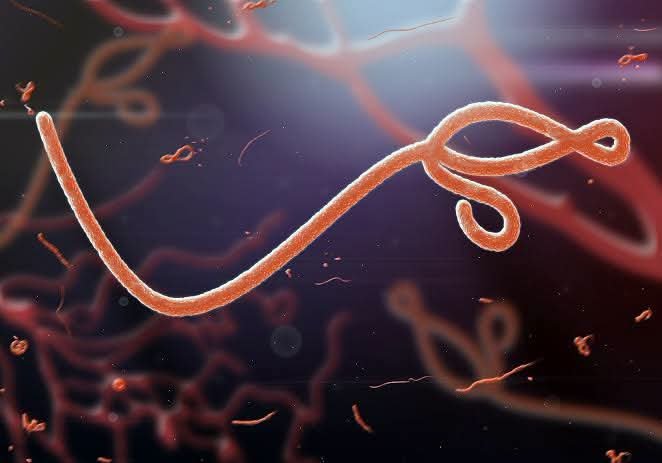
The contribution, made through the UAE Aid Agency at the direction of UAE President Sheikh Mohamed bin Zayed Al Nahyan, comes as the Democratic Republic of the Congo (DRC) continues to experience a major outbreak of Bundibugyo virus disease, a form of Ebola for which there is currently no licensed vaccine specifically targeting the virus.
UAE Steps Up International Ebola Support
According to the Emirates News Agency (WAM), the UAE said the US$10 million allocation is intended to support international efforts to limit the spread of Ebola and strengthen healthcare capacity in affected areas.
Dr Tareq Ahmed Al Ameri, chairman of the UAE Aid Agency, said the country’s contribution was part of its wider humanitarian efforts and international cooperation on health emergencies.
The UAE has also provided more than 150 tonnes of humanitarian aid and supplies to areas affected by the outbreak. The assistance has included protective equipment, infection-control materials, food and other supplies, with the UAE saying the support has benefited about 280 health facilities.
The latest financial commitment therefore adds to existing material assistance as international health agencies and governments attempt to strengthen surveillance, diagnosis, treatment and infection-prevention measures.
Ebola Outbreak Continues to Expand in DR Congo
The UAE’s announcement comes against the backdrop of a rapidly evolving Ebola outbreak in the DRC.
The World Health Organization reported on September 25 that the Bundibugyo virus outbreak had expanded to 63 health zones across seven provinces. As of September 23, the country had recorded 7,890 confirmed cases and 3,799 deaths, giving a crude case-fatality ratio of 48.1 percent.
The affected provinces are Bas-Uélé, Haut-Uélé, Ituri, North Kivu, South Kivu, Sud-Ubangi and Tshopo.
The geographic expansion has also increased concerns about cross-border transmission. WHO reported that the newly affected areas include Dungu Health Zone in Haut-Uélé, which borders South Sudan, and Bulu Health Zone in Sud-Ubangi, which represents the outbreak’s expansion into another province.
The situation is particularly challenging because transmission levels differ considerably between provinces.
Ituri remains the epicentre, with 6,032 confirmed cases recorded since the beginning of the outbreak as of September 23. North Kivu had recorded 1,480 confirmed cases, while the province also reported the highest crude case-fatality ratio in the outbreak at 59.7 percent.
WHO said the response is taking place in a difficult humanitarian environment affected by conflict, insecurity, population displacement and limited access to basic services.
These conditions can make it harder for response teams to conduct surveillance, identify cases, trace contacts and provide patients with timely medical care.
Why the Funding Matters
The UAE’s contribution comes at a time when international health organisations are seeking additional resources to sustain the Ebola response.
Containing Ebola requires more than treating patients after they become seriously ill. Public-health teams must identify infections quickly, trace people who may have been exposed, monitor contacts, strengthen infection prevention in healthcare facilities and communicate effectively with communities.
Healthcare workers also require protective equipment and appropriate training to reduce the risk of transmission within medical facilities.
The UAE Aid Agency said its assistance is intended to support efforts to improve healthcare systems’ capacity to prevent, detect and respond to outbreaks.
For affected African countries, strengthening these systems can also have longer-term benefits beyond the current Ebola emergency.
Health facilities with stronger laboratory capacity, surveillance networks, trained personnel and emergency-response systems are better positioned to identify and manage future infectious-disease outbreaks.
Bundibugyo Virus Presents a Particular Challenge
The current outbreak involves Bundibugyo virus, rather than the Zaire ebolavirus responsible for some of the best-known Ebola outbreaks.
WHO says there is currently no licensed vaccine specifically for Bundibugyo virus disease. The only licensed and WHO-prequalified Ebola vaccine, Ervebo, is designed for Zaire ebolavirus.
WHO guidance published in September said available evidence remains insufficient to establish whether Ervebo provides clinically meaningful protection against Bundibugyo virus in humans. The organisation recommends that its use against Bundibugyo virus disease be conducted within research protocols.
Research into vaccines and other countermeasures is therefore continuing as health authorities work to control the outbreak.
The absence of a licensed Bundibugyo-specific vaccine makes conventional outbreak-control measures particularly important, including early detection, isolation and treatment, contact tracing, infection prevention and community engagement.
International Response Intensifies
The UAE’s US$10 million pledge is one of several international commitments announced as governments and health organisations attempt to mobilise resources for the Ebola response.
The United States announced an additional US$267 million in funding in September, bringing its overall commitment to the response to US$886 million, according to Reuters. The funds are intended to support treatment facilities, diagnostic services and medical resources for frontline health workers.
The international response is being coordinated amid concerns about the outbreak’s geographical expansion and the difficulty of reaching communities affected by insecurity and displacement.
WHO has also stressed the importance of cross-border coordination because continued movement of people between affected and neighbouring countries can create additional opportunities for the virus to spread.
Uganda and Regional Preparedness
The wider East African region has also been monitoring the outbreak closely.
The UAE recently lifted entry restrictions that had been imposed on Ugandan citizens after Uganda’s Ebola outbreak was officially declared over. Precautionary measures remain in place for travellers from the DRC and South Sudan, according to UAE authorities.
The developments illustrate the importance of regional surveillance even when individual countries are not experiencing active outbreaks.
Because Ebola can cross borders through population movement, neighbouring countries need effective surveillance, laboratory capacity, trained health workers and emergency-response systems to identify suspected cases quickly.
Humanitarian Support Beyond Emergency Treatment
The UAE’s assistance also reflects the broader humanitarian dimension of the Ebola crisis.
Outbreaks can disrupt local economies, restrict movement, place pressure on hospitals and affect families whose livelihoods depend on markets, transportation and other activities.
Communities dealing with conflict and displacement face additional vulnerabilities because access to healthcare can already be limited.
WHO reported that more than 32,000 people required contact follow-up as of September 23, with about 26,980 contacts successfully monitored during the preceding 24-hour period. The scale of contact monitoring demonstrates the logistical demands placed on response teams.
Building trust between communities and health responders is another critical part of the response. Public-health measures are more effective when residents understand why testing, isolation, contact monitoring and other interventions are necessary.
What Happens Next
The immediate priority remains containing transmission in the DRC while preventing further international spread.
Health authorities and international partners are expected to continue strengthening surveillance, contact tracing, infection prevention, clinical care and community engagement.
WHO’s latest assessment indicates that transmission remains high nationally, although the pattern differs across affected provinces. Ituri has seen a decline from its peak in recent weeks, while North Kivu has experienced significant increases in transmission.
The response will also depend on continued international financing and the ability of health agencies to maintain personnel, medical supplies and operational capacity in difficult areas.
For Africa, the crisis underscores the importance of sustained investment in public-health infrastructure rather than relying solely on emergency assistance after outbreaks have already expanded.
The UAE’s US$10 million commitment adds financial support to that wider international effort. Its impact will ultimately depend on how the funds are deployed and coordinated with national governments, the World Health Organization and other response partners.
As the Ebola situation continues to evolve, accurate surveillance and timely public-health action will remain central to limiting further transmission and protecting communities across the region.
Weng Global – Stories beyond borders
Sources
- Emirates News Agency (WAM) — UAE announcement on the US$10 million Ebola response allocation.
- World Health Organization (WHO) — September 25, 2026 Disease Outbreak News on the Bundibugyo virus outbreak in the DRC.
- WHO Regional Office for Africa — Ebola outbreak situation reports and regional response information.
- The National — UAE funding, humanitarian assistance and regional travel measures.
- Reuters — International funding and developments in the DRC Ebola response.