Reported by Simon Daniel Yusuph l Journalist at Weng Global
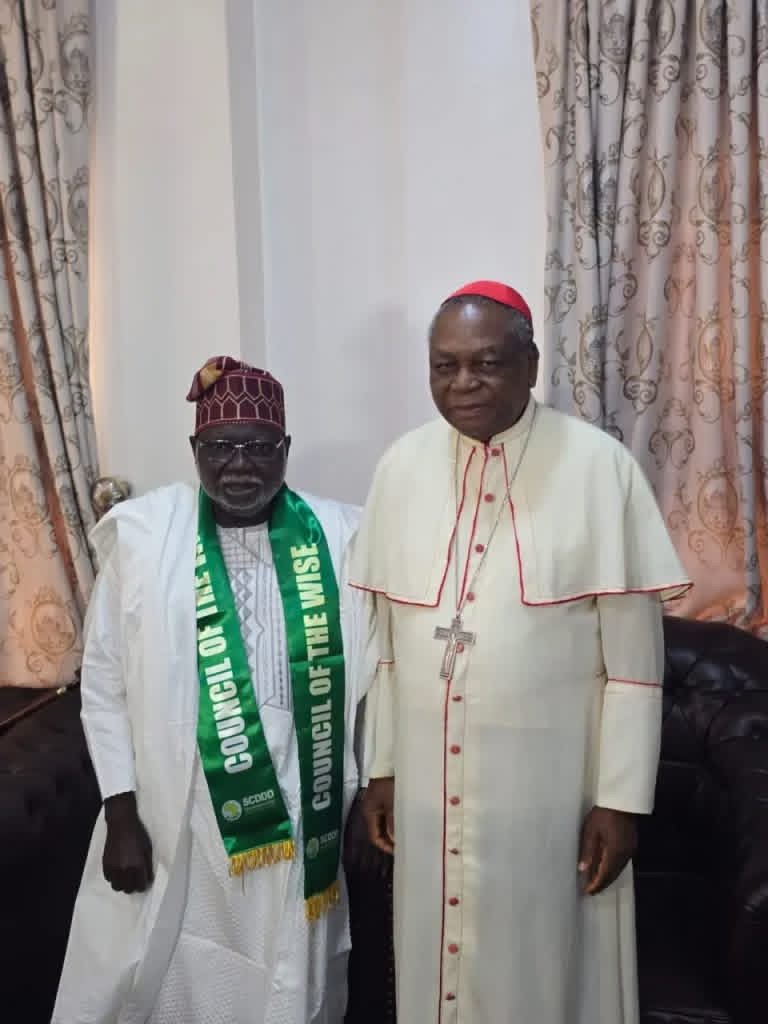
Cardinal John Onaiyekan has urged the Independent National Electoral Commission (INEC) and other political actors to ensure that Nigerians are able to freely choose their leaders in the 2027 general elections, warning against political interference and weaknesses that could undermine voters’ confidence in the electoral process.
Onaiyekan made the call in Enugu during the 22nd All Nigeria Editors Conference organised by the Nigerian Guild of Editors, where he spoke about the state of Nigeria’s democracy and the need for electoral reforms ahead of the 2027 polls.
The Catholic Archbishop Emeritus of Abuja said elections should provide citizens with a genuine opportunity to determine who governs them, while political institutions and electoral authorities should create conditions that protect the integrity of that choice.
His comments come as political parties and prospective candidates intensify preparations for the 2027 elections and INEC continues its preparations for the nationwide polls.
Onaiyekan Calls for Stronger Electoral Institutions
A major part of Onaiyekan’s intervention focused on the independence of INEC.
He called for a review of the process used to appoint the commission’s chairman and national commissioners, arguing that the electoral body needs stronger institutional independence from the executive arm of government.
Onaiyekan said the credibility of elections depends not only on voting itself but also on the confidence citizens have in the institutions responsible for conducting and regulating the process.
He also proposed changes to the presidential electoral system, including a requirement that a candidate secure at least 50 per cent of votes cast to win outright. Where no candidate reaches that threshold, he proposed a second-round election between the leading candidates.
The proposal would represent a change from Nigeria’s existing constitutional framework for presidential elections and would therefore require the necessary legal and constitutional amendments before it could take effect.
Concern Over Elections Ending in Court
Onaiyekan also raised concerns about the increasing role of courts in resolving election disputes.
He argued that the primary decision about who governs should come from voters at the ballot box, while courts should focus on resolving disputes arising from the electoral process.
At the editors’ conference, he called for electoral disputes to be concluded before elected officials assume office. He also advocated reforms to election tribunals and the broader process for handling petitions.
The issue is significant because post-election litigation has become a regular feature of Nigerian elections. Candidates and political parties can challenge declared results through the judicial process where they believe electoral laws or procedures have been violated.
Onaiyekan’s position is that the judicial system should serve as a mechanism for resolving genuine disputes rather than becoming the effective arena for determining electoral winners.
Call for Voters to Make Their Own Choices
The Cardinal also recently addressed the question of political influence over voters in the South-East.
In an interview in Enugu, he said people in the region should be allowed to choose their preferred presidential candidate without being directed by state governors or other political leaders. His comments came in response to statements by Anambra State Governor Chukwuma Soludo concerning voting choices ahead of the 2027 presidential election.
Onaiyekan’s broader argument is that political leaders have the right to participate in elections and express their preferences, but individual voters should retain the freedom to make their own decisions at the polls.
The position forms part of his wider call for an electoral system in which citizens, rather than political influence, remain central to the process.
INEC Has Set the 2027 Electoral Timetable
INEC has already formally commenced preparations for the 2027 general elections.
In its official timetable released in February 2026, the commission initially announced February 20, 2027 for the presidential and National Assembly elections and March 6, 2027 for governorship and State House of Assembly elections.
INEC’s current online election calendar now lists the Presidential/House of Assembly election for January 16, 2027, with the Governorship/State House of Assembly election scheduled for February 6, 2027.
The difference between the earlier timetable and the current calendar is important and means election stakeholders should rely on the commission’s latest official timetable as preparations continue.
INEC has also said it is undertaking regulatory and operational preparations ahead of the elections, including adjustments to its party regulations following the enactment of the Electoral Act 2026.
Electoral Reforms Are Already Part of the 2027 Debate
Onaiyekan’s proposals come amid wider discussions about how Nigeria can strengthen its electoral institutions before the next general elections.
At the All Nigeria Editors Conference, he called for several reforms beyond the appointment of INEC leadership and the presidential voting threshold.
These included measures intended to make election disputes faster to resolve, greater involvement of voters in electoral litigation and reforms to the handling of lawmakers who leave the political parties under which they were elected.
He also argued that election officials and political actors should work towards an electoral system in which citizens have greater confidence that their votes will determine the outcome.
Other speakers at the editors’ conference similarly focused on electoral credibility, misinformation and the role of the media in protecting democratic institutions.
The Role of the Media
The conference where Onaiyekan made his remarks was held under the theme, “The Ballot, the Media and the Task of Keeping Democracy Alive,” with a sub-theme focused on detecting and debunking artificial intelligence-generated misinformation before, during and after elections.
The focus reflects an emerging challenge for the 2027 electoral cycle.
Political misinformation can spread rapidly through social media, messaging platforms and other digital channels. AI-generated material can further complicate efforts to determine whether photographs, videos, audio recordings or statements circulating online are authentic.
For journalists, this creates a greater responsibility to verify claims before publication, particularly during an election period when false information can influence public perceptions and intensify political tensions.
The Nigerian Guild of Editors has therefore placed election reporting and information integrity among the issues requiring greater attention ahead of 2027.
Why Voter Choice Matters
At the centre of Onaiyekan’s argument is the principle that elections should give citizens a meaningful opportunity to participate in determining who represents them.
That principle involves more than the act of voting. It also depends on whether voters can participate without intimidation, whether candidates can campaign under established rules, whether election officials can operate independently and whether votes are accurately counted and reported.
INEC has previously identified the voters’ register as a critical component of credible elections. The commission has also announced preparations aimed at strengthening the integrity of the register ahead of 2027.
Security arrangements, access to polling units, election technology, political-party compliance and the handling of election disputes will similarly influence public confidence in the process.
These issues are likely to remain central as the election approaches.
What Happens Next
INEC will continue implementing its timetable and regulatory preparations for the 2027 elections, while political parties prepare candidates, campaign structures and policy platforms.
The commission has also urged political parties, candidates, citizens, security agencies, civil society organisations and the media to play their respective roles in ensuring peaceful and credible elections.
For political actors, the coming months will involve continued campaigning and mobilisation within the rules established by law and INEC.
For voters, the key issues will include access to accurate information, participation in the electoral process and the ability to make informed choices without coercion.
Onaiyekan’s intervention therefore adds to a wider national discussion about the institutions, rules and safeguards required for the 2027 elections.
The central question for electoral stakeholders will be whether Nigeria can conduct a process in which voters can participate freely, electoral institutions operate within the law, disputes are resolved through established procedures and the outcome reflects the votes that are legitimately cast.
Weng Global – stories beyond borders
Sources
- Independent National Electoral Commission (INEC)
- Nigerian Guild of Editors
- Vanguard
- The Guardian
- Punch
- Premium Times