Reported by Simon Daniel Yusuph l Journalist at Weng Global
The Jigawa State Association of Auctioneers has called for a stronger partnership with the state government to improve the disposal of public assets and prevent revenue leakages.
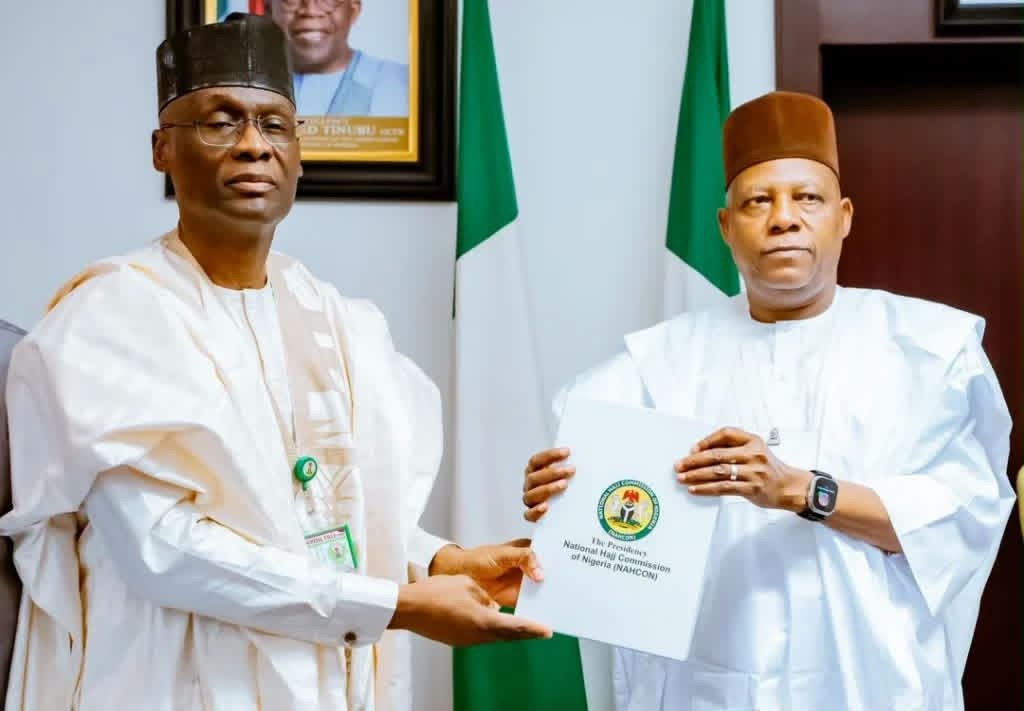
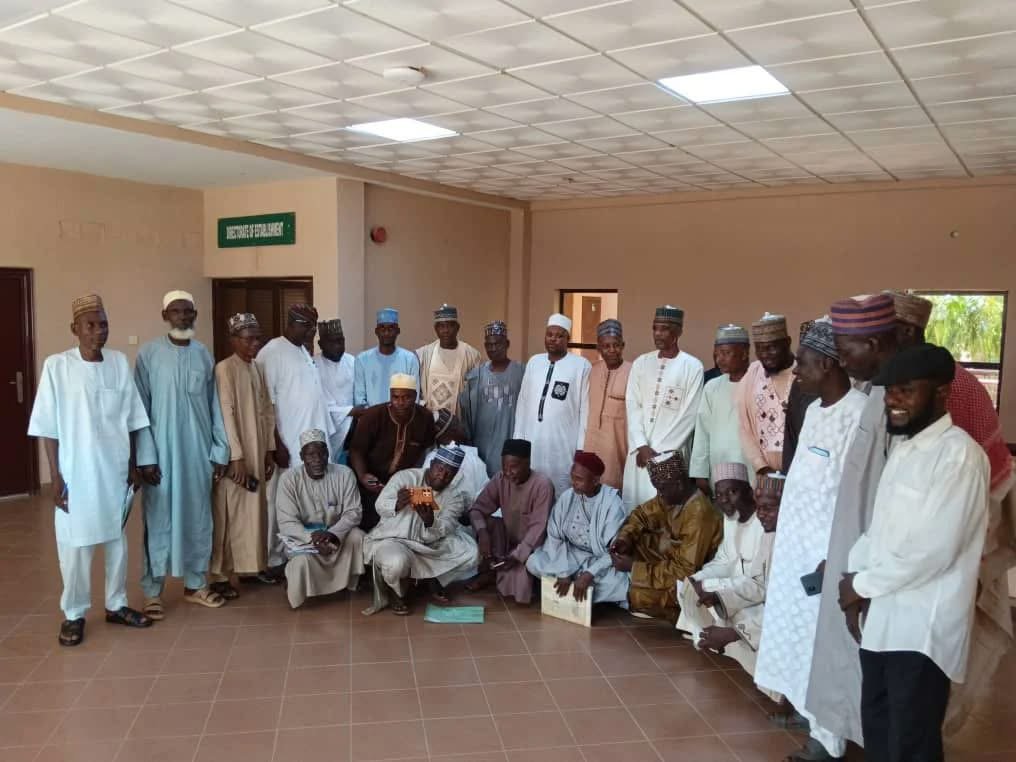
The association made the request during a courtesy visit to the Jigawa State Head of Service, Muhammad K. Dagaceri, in Dutse, where its chairman, Abubakar Abdullahi Gumel, said licensed auctioneers could help the government secure better returns from the sale of state-owned assets.
Gumel said the association was seeking formal recognition as a partner in the state’s asset-disposal process, arguing that greater involvement of professional auctioneers would strengthen transparency and ensure proceeds from auctions are properly remitted to government coffers.
The appeal comes amid wider concerns in Nigeria over the management and disposal of public and seized assets and the potential loss of government revenue when established procedures are not followed.
Auctioneers Seek Formal Role in Asset Disposal
According to a report published on September 24, 2026, the Jigawa association told the Head of Service that its members were prepared to work with the state government to ensure public assets were disposed of efficiently and at competitive values.
Gumel said the association had maintained its commitment to promoting transparency in the auctioning of government property.
He also said the association had become more united and was prepared to work with relevant stakeholders across the state.
The chairman specifically appealed to the government to recognise auctioneers as partners in the process of disposing of state assets.
The objective, according to the association, is to ensure that assets are sold through a transparent process that produces better financial returns for the state.
Head of Service Promises Government Support
Responding to the delegation, Jigawa State Head of Service Muhammad K. Dagaceri assured the association of the administration’s support and cooperation.
Dagaceri reportedly welcomed the association’s efforts to operate as a united body and stressed the importance of unity in promoting transparency and accountability.
He said cooperation among auctioneers would contribute to public confidence in the asset-disposal process.
The Head of Service’s position reflects the wider importance of proper procedures when governments dispose of public property, particularly where the assets have significant financial value.
Why Revenue Leakage Matters
Revenue leakage occurs when money that should reach government accounts is lost through weaknesses in collection, administration, accounting or other parts of the revenue process.
For state governments, preventing such losses is important because internally generated revenue contributes to the financing of public services and development programmes.
Jigawa has already introduced measures aimed at strengthening revenue administration.
The Jigawa State Internal Revenue Service says its mandate includes assessing, collecting, managing and accounting for internally generated revenue. The agency also says its revenue administration reforms are designed to improve efficiency, strengthen enforcement and block leakages.
In 2024, the state government said the Jigawa State Internal Revenue Service was expanding electronic payment of taxes and levies through platforms including Remita and Pay Direct as part of efforts to improve transparency and reduce revenue leakages.
More recently, the state government began digitising revenue collection in areas including livestock and grain markets and haulage operations, with the stated objective of improving accountability and ensuring direct remittance of revenue into designated government accounts.
The auctioneers’ proposal therefore comes within a broader state effort to strengthen public revenue management.
National Concerns Over Government Auctions
The issue is not limited to Jigawa.
In August 2026, the national leadership of the Nigeria Association of Auctioneers raised concerns about the way some ministries, departments and agencies handle the disposal of seized and public assets.
The association’s national president, Musa Kurra, alleged that some government agencies had created internal arrangements for valuing and disposing of assets rather than engaging licensed auctioneers.
Kurra argued that such practices could undermine due process and reduce government revenue. The Guardian reported that he said relevant laws require qualified valuers and licensed auctioneers to be involved in the disposal of certain seized and forfeited properties.
Punch also reported the association’s call for an investigation into the asset-disposal practices of some government ministries, departments and agencies, citing concerns about transparency and potential revenue losses.
Those national concerns provide wider context for the Jigawa association’s request for greater participation in the state’s asset-disposal process.
Transparency in Public Asset Sales
The value of an asset can decline when disposal is delayed, particularly where the property involves vehicles, machinery, equipment or other assets that depreciate over time.
At the same time, a rushed or poorly managed sale can prevent government from obtaining the best available value.
A transparent auction process can provide a mechanism for establishing competitive prices while creating a documented trail of the assets offered, the successful bidders and the proceeds generated.
However, the effectiveness of such a system depends on proper valuation, clear rules, competitive participation, documentation, oversight and direct remittance of proceeds.
The Jigawa auctioneers’ proposal centres on these issues, with the association arguing that professional participation can help ensure that government assets are sold efficiently and the resulting revenue reaches the state.
The Need for Accountability
For the proposed partnership to produce measurable results, responsibilities between the government and auctioneers would need to be clearly defined.
This could include procedures for identifying assets for disposal, independent valuation, approval of sales, public notification of auctions, documentation of successful bids and confirmation that proceeds have been paid into official government accounts.
Such controls can make it easier for government authorities and members of the public to determine how assets were disposed of and how much revenue was generated.
They can also help reduce disputes over the ownership, valuation and sale of public property.
The Jigawa State Government has not, in the information publicly available for this report, announced a new comprehensive policy specifically establishing the requested partnership with the association.
The proposal should therefore be understood as a request from the auctioneers rather than an already implemented government programme.
Jigawa’s Broader Revenue Strategy
The call by auctioneers also fits into Jigawa’s broader efforts to improve internally generated revenue.
The state’s revenue service has described technology, transparency and stakeholder partnerships as important components of its revenue administration strategy.
The state has also previously used electronic payment systems to reduce dependence on manual collection and improve tracking of payments.
In July 2026, the state government’s digitisation initiative for revenue collection was reported as covering livestock and grain markets, haulage and other informal-sector activities. The system was designed to track transactions and support direct remittance to government accounts.
Asset disposal represents a different part of public financial management, but the underlying objective is similar: ensuring that money belonging to government is properly accounted for.
What Happens Next
The immediate next step will depend on how the Jigawa State Government responds to the auctioneers’ request.
If a formal partnership is established, the government and the association would need to determine the specific responsibilities of licensed auctioneers, the valuation process, oversight mechanisms and procedures for remitting auction proceeds.
The state would also need to ensure that any arrangement complies with applicable laws and public procurement and asset-disposal requirements.
For the auctioneers, the proposed partnership represents an opportunity to strengthen their role in public asset disposal.
For the government, the central issue is whether greater professional participation can produce more transparent transactions and better financial returns without creating additional administrative risks.
The discussion is ultimately part of a broader question facing governments across Nigeria: how to ensure that public assets are managed responsibly and that revenue generated from their disposal reaches the appropriate government accounts.
Weng Global – stories beyond borders
Sources
- Jigawa State Association of Auctioneers
- Jigawa State Government
- Jigawa State Internal Revenue Service
- The Guardian
- Punch