Reported by Simon Daniel Yusuph l Journalist at Weng Global
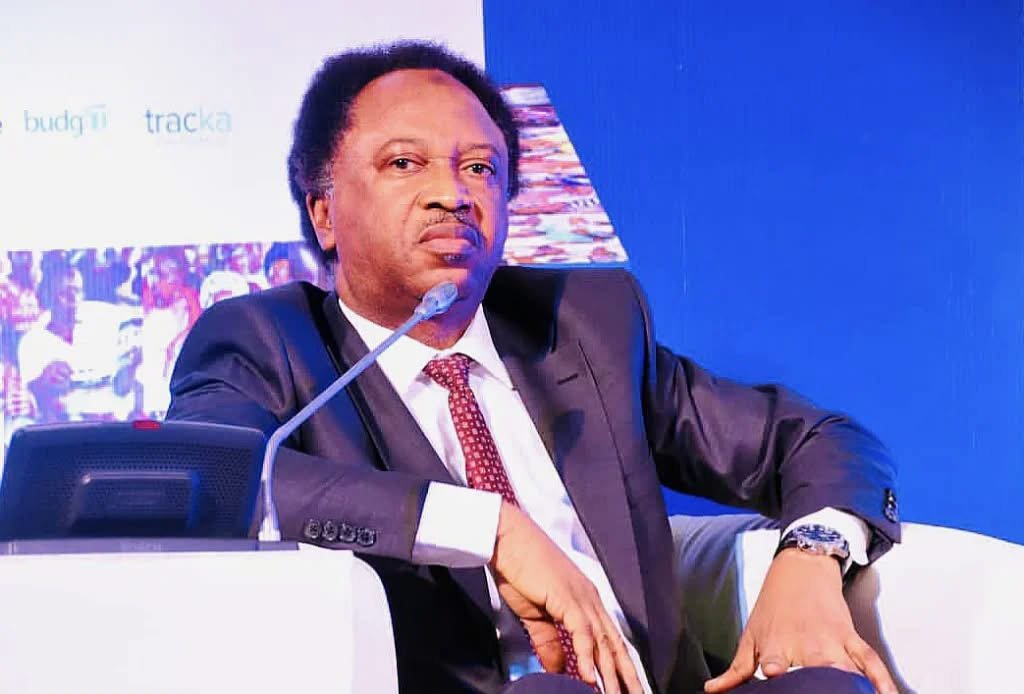
Former Kaduna Central Senator Shehu Sani has said former Kaduna State Governor Nasir El-Rufai is now facing the consequences of decisions and actions taken during his eight years in office.
Sani made the remarks in an interview published on September 24, 2026, while commenting on El-Rufai’s prolonged detention and ongoing legal battles. He argued that the former governor should not expect sympathy over his present circumstances, citing what he described as the treatment of political opponents and other groups during El-Rufai’s administration.
The comments come as El-Rufai remains involved in several legal proceedings following his detention by the Independent Corrupt Practices and Other Related Offences Commission (ICPC) over allegations including abuse of office and financial misconduct. El-Rufai has denied wrongdoing, while the relevant cases remain before the courts.
Sani Links El-Rufai’s Detention to His Years in Power
According to Sani, El-Rufai’s current experience with detention should be viewed against what he described as the former governor’s record in dealing with people who faced his administration.
Sani said he had personally spent more than four years in prison during Nigeria’s military regimes because of his pro-democracy activism and therefore understood the difficulties associated with detention.
He also referred to members of the Islamic Movement in Nigeria (IMN) who were detained during El-Rufai’s tenure in Kaduna.
Sani alleged that some IMN members spent more than five years in detention under the former governor and accused the administration of opposing efforts to secure their release.
Those claims are Sani’s assessment of the conduct of the former Kaduna government and should not be treated as independent findings by Weng Global.
El-Rufai Has Remained in Legal Disputes Since Leaving Office
El-Rufai, who served as Kaduna governor from 2015 to 2023, has faced investigations and court proceedings over allegations relating to his time in government.
The ICPC said in March 2026 that El-Rufai remained in its custody under a court-authorised remand order while investigations into allegations of money laundering and abuse of office continued.
The anti-corruption agency stressed that the detention was authorised by a court and said it was following the legal process governing the remand.
A Federal High Court in Kaduna later granted El-Rufai bail in April 2026 in the sum of ₦200 million, with conditions that included two sureties. The court, however, ordered that he remain in ICPC custody until the bail conditions were fulfilled.
Former Governor Faces Multiple Court Proceedings
The legal disputes involving El-Rufai have extended beyond the corruption-related investigation.
In September, the Federal High Court in Abuja adjourned a ₦1 billion fundamental-rights suit filed by the former governor against the ICPC, Inspector-General of Police and Attorney-General of the Federation.
The case concerns claims connected to a search of El-Rufai’s Abuja residence. The court adjourned proceedings to October 27, 2026, after the Attorney-General’s office filed a counter-affidavit opposing the former governor’s claims.
El-Rufai has also filed a separate ₦10 billion fundamental-rights suit against the ICPC over alleged restrictions on access to his family members while he was in custody.
The authorities have disputed aspects of El-Rufai’s legal claims, while the courts are yet to make final determinations on the substantive issues raised in the various cases.
Political Conflict Between Sani and El-Rufai
Sani and El-Rufai have had a long-running political dispute dating back to the former governor’s time in office.
Sani, who represented Kaduna Central in the Senate between 2015 and 2019, was frequently critical of El-Rufai’s administration and opposed some of its policies.
Their disagreements included issues surrounding borrowing, governance, political freedoms and the treatment of critics of the Kaduna government.
Sani has previously accused the former governor of exercising power without sufficient regard for opponents and critics. El-Rufai and his supporters have rejected criticisms of his administration and have defended his record in office.
The long-standing political history between the two men is relevant to Sani’s latest comments because his assessment of El-Rufai is not coming from a politically neutral position. His statements therefore represent his own interpretation of the former governor’s record.
The Wider Debate Over El-Rufai’s Governance Record
El-Rufai’s eight-year tenure in Kaduna remains the subject of significant political debate.
Supporters of the former governor have pointed to infrastructure projects, reforms in the state public service, urban development and other initiatives as important parts of his administration’s legacy.
Critics, including Sani, have focused on issues such as the treatment of civil servants, relations with political opponents, security challenges and the administration’s borrowing decisions.
The Kaduna State House of Assembly also conducted a review of the finances of the former administration, producing findings that became part of subsequent public discussions and investigations. Allegations arising from those processes remain matters for the relevant investigative agencies and courts rather than established findings of criminal guilt.
Why Sani’s Comments Matter
Sani’s remarks add another political dimension to the controversy surrounding El-Rufai’s detention and legal battles.
The former governor remains a prominent figure in Nigerian politics, particularly in the North, and has continued to comment on national political issues despite his legal difficulties.
His treatment has also generated competing reactions. Supporters and political allies have raised concerns about due process and the length of his detention, while government agencies have maintained that their actions are based on legal procedures and court orders.
The competing positions highlight the broader tension between anti-corruption investigations, individual rights and political accountability in Nigeria.
For the courts and investigative agencies, the central issue remains whether the allegations against El-Rufai can be established through due legal process.
For political observers, the case has also become part of a wider debate about how former public officials should be held accountable for decisions taken while in office.
What Happens Next
El-Rufai’s legal challenges are expected to continue through the courts.
His ₦1 billion fundamental-rights case against the ICPC, police and Attorney-General of the Federation is scheduled to return to the Federal High Court in Abuja on October 27, 2026.
Other proceedings connected to the allegations against the former governor will also determine the next stage of his legal situation.
Until the courts reach final decisions, allegations against El-Rufai remain allegations and should not be treated as proof of criminal liability.
Sani’s latest comments are therefore best understood as part of an ongoing political dispute over El-Rufai’s record in government and the circumstances surrounding his current legal battles.
Weng Global – stories beyond borders
Sources
- The Guardian Nigeria
- Independent Corrupt Practices and Other Related Offences Commission (ICPC)
- Premium Times
- Channels Television
- TheCable