Reported by Simon yusuph, | Journalist at wengglobal
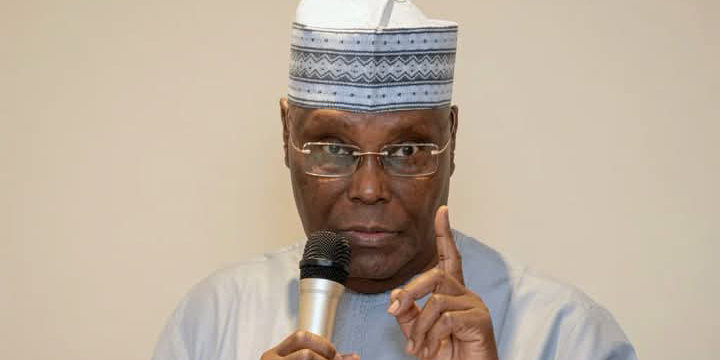
Nigeria’s debate over public debt has intensified after former Vice President and presidential candidate Atiku Abubakar accused President Bola Ahmed Tinubu’s administration of exceeding statutory borrowing limits by ₦4.79 trillion, describing the development as a sign of fiscal recklessness and weak financial accountability.
In a strongly worded statement, Atiku argued that the federal government’s borrowing pattern raises serious concerns about transparency, constitutional compliance, and the long-term sustainability of Nigeria’s public finances. His remarks come amid growing national discussions over rising debt obligations, budget deficits, and the government’s financing strategy for infrastructure and economic reforms.
The latest exchange marks another chapter in the ongoing political and economic debate between the opposition and the Tinubu administration, with both sides presenting contrasting views on how Nigeria should manage its fiscal challenges.
Atiku Questions Government’s Borrowing Practices
According to Atiku, the Tinubu administration has allegedly exceeded approved borrowing limits by ₦4.79 trillion, an action he said undermines public trust and weakens fiscal discipline.
He argued that responsible economic management requires strict adherence to legal borrowing frameworks and full disclosure of how borrowed funds are utilized. The former vice president maintained that increasing debt without corresponding transparency places an unnecessary burden on future generations while exposing the country’s economy to heightened financial risks.
Atiku further called on the National Assembly and relevant oversight institutions to thoroughly scrutinize government borrowing activities to ensure compliance with existing financial regulations and safeguard public resources.
He also urged the administration to provide Nigerians with detailed explanations regarding the purpose of the loans, the projects financed, and the expected economic returns.
Concerns Over Nigeria’s Rising Debt Profile
Nigeria’s public debt has remained a major issue in national economic discourse over recent years. Successive administrations have relied on domestic and external borrowing to finance infrastructure projects, support budget implementation, and cushion economic shocks arising from declining oil revenues, subsidy reforms, and foreign exchange pressures.
While government officials have consistently argued that borrowing remains necessary to bridge Nigeria’s significant infrastructure financing gap, critics warn that rising debt servicing costs are consuming an increasingly larger share of government revenue.
Economic analysts have also noted that although Nigeria’s debt-to-GDP ratio remains relatively moderate compared with several emerging economies, the country’s revenue generation remains comparatively weak, making debt sustainability a continuing concern.
The debate has therefore shifted beyond the size of public debt to whether borrowed funds are efficiently invested in projects capable of generating economic growth and improving government revenue.
Tinubu Administration Defends Economic Reforms
Although Atiku’s criticism has generated widespread political attention, the Tinubu administration has repeatedly defended its fiscal policies, arguing that difficult economic reforms are necessary to stabilize Nigeria’s economy after years of structural challenges.
Government officials have pointed to measures including the removal of fuel subsidies, foreign exchange reforms, expanded tax reforms, and infrastructure investments as components of a broader strategy aimed at restoring economic stability and attracting investment.
The administration has maintained that many of the borrowings are tied to developmental projects expected to stimulate long-term growth, improve transportation networks, strengthen energy infrastructure, and expand social investments.
Officials have also emphasized ongoing efforts to increase non-oil revenue, improve tax administration, and reduce the country’s dependence on borrowing over time.
Political Implications Ahead of Future Elections
The disagreement between Atiku and President Tinubu reflects broader political divisions over Nigeria’s economic direction.
As one of the country’s leading opposition figures, Atiku has consistently criticized what he describes as excessive government spending, insufficient fiscal accountability, and weak economic planning.
Supporters of the administration, however, argue that many of Nigeria’s current fiscal challenges predate the Tinubu government and require sustained reforms rather than short-term political criticism.
The latest exchange is expected to feature prominently in future political debates as parties position themselves ahead of subsequent electoral contests.
Experts Call for Greater Transparency
Financial experts say the controversy highlights the importance of transparency in public finance management.
Several economists argue that regardless of political differences, Nigerians deserve clear information regarding the country’s borrowing strategy, debt obligations, repayment plans, and the measurable outcomes of financed projects.
Analysts have also recommended stronger legislative oversight, improved public reporting, and regular publication of debt performance indicators to build investor confidence and enhance accountability.
Many believe that transparency is essential not only for maintaining public trust but also for improving Nigeria’s international credit reputation and attracting long-term investment.
Why Public Debt Matters
Borrowing remains an accepted tool of economic management when used responsibly. Governments worldwide raise debt to finance infrastructure, education, healthcare, transportation, and other strategic investments.
However, economists caution that excessive borrowing without proportional economic returns can reduce fiscal flexibility, increase debt servicing obligations, and limit future government spending on essential public services.
Nigeria’s challenge, experts say, is balancing developmental financing needs with prudent debt management while expanding revenue sources through economic diversification and improved tax collection.
Looking Ahead
The allegations made by Atiku Abubakar are likely to intensify public scrutiny of Nigeria’s fiscal management and borrowing policies.
Whether the government provides additional clarification regarding the disputed borrowing figures or lawmakers undertake further oversight remains to be seen.
For many Nigerians, the central concern extends beyond political disagreements to ensuring that every borrowed naira contributes meaningfully to economic growth, job creation, infrastructure development, and improved living standards.
As Nigeria continues navigating complex economic reforms, calls for greater accountability, transparency, and responsible fiscal management are expected to remain at the center of national policy discussions.
Sources
- Reuters
- Bloomberg
- Premium Times Nigeria
- The Punch
- Daily Trust
- Channels Television
- Nigerian Tribune