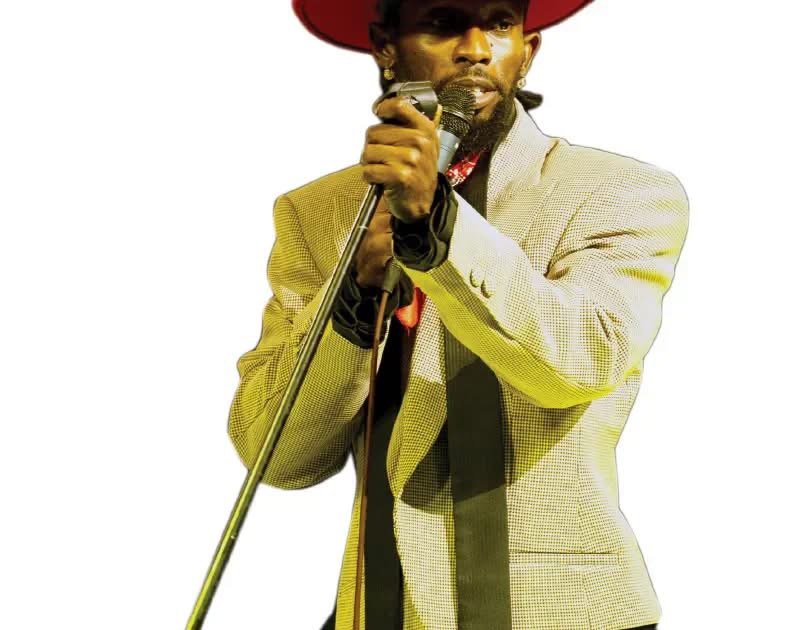
Reported by Simon Daniel Yusuph l Journalist at Weng Global
Nigerian comedian and content creator Romeo Horsfall, popularly known as Aboli Romeo, has criticised entertainers who look down on skit makers or stand-up comedians, describing such attitudes as signs of jealousy and unwillingness to recognise the talents of others.
Aboli Romeo made the remarks during an interview with PUNCH Sports Extra, published on Saturday, November 28, 2026, while discussing his career, the relationship between different forms of comedy and the growing influence of digital content creation in Nigeria’s entertainment industry.
The comedian argued that stand-up comedy, skit making and online content creation should not be treated as completely separate professions because they all involve entertaining audiences through humour and creative expression.
He maintained that an entertainer who considers one form of comedy superior to another may be motivated by jealousy, particularly when the other person possesses a talent or achieves something they have not been able to accomplish.
According to him, performers should respect one another’s abilities rather than engage in unnecessary competition or dismiss the contributions of people working in different areas of the entertainment industry.
Aboli Romeo Rejects Rivalry Between Stand-Up Comedians and Skit Makers
Addressing whether rivalry exists between stand-up comedians and skit makers, Aboli Romeo said he did not believe entertainers should look down on one another because of the particular format through which they express their creativity.
He argued that both groups belong to the wider comedy industry and should be recognised for their contributions to entertainment.
The comedian explained that stand-up performers and digital content creators can possess similar talents, although they may present their comedy through different platforms and formats.
He suggested that the tendency to separate the two professions is particularly noticeable in Nigeria, where entertainers are sometimes identified by the specific medium through which they reach their audiences.
Aboli Romeo also pointed to international entertainers who combine stand-up performances, acting, digital content and other business activities as examples of how different creative abilities can exist within one career.
He cited American comedian Kevin Hart, who has built a career across stand-up comedy, film, television and business, as an example of an entertainer whose activities extend beyond a single creative format.
He also mentioned Nigerian comedians Basketmouth and Bovi, noting that they have participated in stand-up performances, content creation and acting.
For Aboli Romeo, the important consideration should be the ability to entertain audiences rather than the platform or format used.
Says Comedy Should Not Be Restricted to One Format
The comedian described comedy as a broad creative field that allows performers to explore different forms of entertainment.
He explained that some entertainers concentrate on live stage performances, while others create short videos for social media platforms. Some combine both approaches and also participate in films and other productions.
In his view, these differences should not become reasons for professional discrimination.
A comedian who performs before a live audience may have different creative demands from someone producing short online videos. However, both require an understanding of humour, audience engagement, timing and the ability to communicate entertaining ideas.
Stand-up comedy often involves developing original jokes, structuring performances and responding to audience reactions in real time.
Skit making, on the other hand, frequently involves storytelling, character development, scripting, acting, editing and the use of digital platforms to distribute content.
Although the production processes differ, both forms depend on creativity and the ability to connect with audiences.
Aboli Romeo’s position is that the entertainment industry should recognise these shared qualities instead of creating unnecessary divisions between performers.
From Stand-Up Comedy to Digital Content Creation
Aboli Romeo’s own career reflects the combination of different creative formats he advocates.
He disclosed that comedy came naturally to him and was not something he formally studied. His interest in entertainment developed while he was still young, eventually leading him to follow established comedians to events and performances.
He recalled working with comedians who introduced him to respected figures in the Nigerian comedy industry, including Michael Ogolo and Julius Agwu.
He was subsequently introduced to Basketmouth and began performing at events.
One of his early experiences involved receiving ₦15,000 after a performance, an amount he described as significant at the time.
Alongside live comedy, he began developing his own digital content, using ideas drawn from imagination and everyday experiences.
He also explained that he handled the editing of his content himself, giving him greater control over how his creative ideas were presented to audiences.
His experience illustrates how entertainers can gradually expand their activities beyond the platforms through which they initially became known.
Comedy, Education and Software Engineering
Beyond entertainment, Aboli Romeo has an academic background in petroleum engineering and is also involved in software engineering.
He disclosed that he develops and codes applications alongside his comedy career, adding that he had completed work on two applications that were available through web stores and were expected to become available as mobile applications.
His involvement in technology demonstrates another dimension of his professional activities.
The comedian explained that he manages his time by dividing his daily activities between coding, producing content and streaming.
He said he works independently rather than being employed by another organisation, allowing him to organise his schedule around his different interests.
For him, remaining productive means using his time to develop his abilities across the different areas in which he works.
His experience also reflects a growing trend among Nigerian entertainers who combine creative careers with entrepreneurship, technology and other professional activities.
Family Initially Opposed His Comedy Career
Aboli Romeo also discussed the difficulties he experienced while pursuing comedy, particularly his family’s initial reaction to his decision.
He revealed that his parents were unhappy with his choice to pursue entertainment instead of concentrating entirely on his academic and professional prospects.
According to him, his father once offered him an opportunity to abandon comedy or take a break from the profession.
However, he continued performing because he believed in his talent and wanted to establish himself in the industry.
He said his parents eventually accepted his decision after observing his commitment to the craft.
The comedian’s experience highlights a challenge faced by some young Nigerians pursuing careers in entertainment and other creative industries, particularly when their choices differ from the conventional professional paths preferred by their families.
Although creative careers can offer opportunities for financial independence and professional recognition, they often involve uncertainty, competition and the need for sustained effort before success becomes visible.
Aboli Romeo said consistency and his belief in his abilities helped him continue despite the difficulties.
Cock and Bull and His Approach to Live Comedy
The comedian also spoke about his stand-up comedy show, Cock and Bull, explaining that the production was built around stories and situations drawn from society, government, family relationships and everyday experiences.
He disclosed that one edition of the show involved an hour and 20 minutes of live performance.
The title, according to him, reflects stories that appear unreasonable or difficult to believe.
His comedy material draws inspiration from situations involving ordinary people, public affairs, loved ones and even his pets.
He explained that developing stand-up material requires considerable preparation, including writing, refining jokes and ensuring that the final performance can entertain an audience.
For comedians who rehearse before going on stage, the preparation process can also be demanding.
His comments provide an insight into the work behind live comedy, which audiences may not always see when watching a finished performance.
Unlike short digital videos that can be edited before publication, stand-up comedians must deliver their material directly to audiences and respond to reactions as they perform.
Mentors and Influences
Aboli Romeo identified Basketmouth, Okey Bakassi and Julius Agwu among the comedians who have influenced his development.
He said the entertainers had offered him advice in different ways, including direct conversations about career decisions and personal conduct.
He also acknowledged that observing the experiences and professional behaviour of established entertainers had helped shape his understanding of the industry.
Mentorship remains an important part of entertainment, particularly for emerging performers who must learn how to manage public attention, develop their creative abilities and build sustainable careers.
For young comedians, guidance from experienced professionals can provide lessons that extend beyond writing jokes and performing on stage.
It can also help them understand the business side of entertainment, including brand partnerships, event management, audience relationships and career planning.
The Growing Importance of Skit Making in Nigeria
Aboli Romeo’s comments come amid the increasing influence of digital content creators in Nigeria’s entertainment industry.
Social media platforms have created opportunities for comedians and other creatives to reach audiences without depending exclusively on traditional television, radio or live performances.
Short comedy videos, skits and online entertainment programmes have become important channels through which Nigerian entertainers build audiences and attract commercial partnerships.
The development has also created opportunities for production teams, editors, scriptwriters, actors, photographers, marketers and other professionals involved in content creation.
However, the growth of online entertainment has also increased competition, making originality, consistency and audience engagement important factors for creators seeking to remain relevant.
Skit makers now operate in an environment where content can reach large audiences quickly, but maintaining public interest requires continuous creativity and investment.
Aboli Romeo’s argument for mutual respect therefore speaks to a wider question about how different segments of the entertainment industry can coexist and benefit from the opportunities created by digital media.
Calls for Respect Across the Entertainment Industry
The comedian’s position is that the entertainment industry should provide room for different talents to develop without unnecessary professional rivalry.
He explained that he does not interfere with what other creators publish on their platforms and expects the same respect for his own creative decisions.
His comments suggest that entertainers should concentrate on improving their individual craft rather than attempting to control or undermine the work of others.
As Nigerian comedy continues to expand across live performances, television, film and social media, collaboration between different categories of entertainers could create additional opportunities.
Stand-up comedians can explore digital platforms to reach new audiences, while skit makers can develop their skills through live performances and other forms of entertainment.
The growing overlap between these creative spaces also means that the distinction between a stand-up comedian and a content creator may become less rigid.
For Aboli Romeo, comedy remains one broad profession with different ways of expressing talent.
His message is that entertainers should recognise the value of one another’s work, regardless of whether their audiences watch them on a stage, television screen or social media platform.
Weng Global – stories beyond borders
Sources
- PUNCH Sports Extra interview with Aboli Romeo, published November 28, 2026.
- Vanguard interviews with Romeo Horsfall on his comedy career and creative journey.