Reported by Weng Patrick Atokor l Journalist at Weng Global
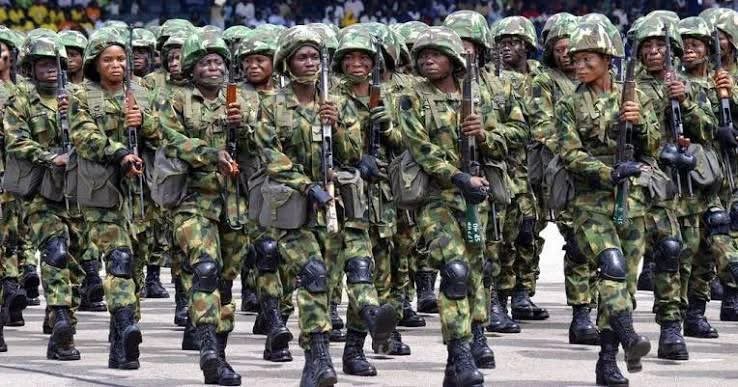
The Nigeria Customs Service (NCS) has suspended training activities for 3,852 newly recruited officers following concerns raised by the Federal Character Commission (FCC) over alleged irregularities in its recruitment exercise.
The suspension, announced on Friday, November 20, 2026, affects training activities at the Service’s two training colleges and is intended to allow further consultations between the Customs Service and the commission.
The development follows weeks of disagreement over the selection and invitation of successful candidates, with allegations that some applicants whose names appeared on the published final recruitment lists were excluded from training, while others whose names were not on the lists allegedly received invitations.
In a statement signed by the Deputy Comptroller of Customs and National Public Relations Officer, Abdullahi Maiwada, the Service said the decision was reached following engagements between its management and a delegation of the Federal Character Commission.
The Customs Service said both institutions had agreed to pursue further dialogue to resolve the concerns surrounding the recruitment process.
Customs Explains Decision to Suspend Training
According to the Service, the temporary suspension is intended to provide an opportunity for both institutions to address the issues through constructive engagement.
The Customs management also reaffirmed its commitment to working with relevant government institutions and respecting the responsibilities of oversight agencies.
Comptroller-General of Customs, Bashir Adewale Adeniyi, acknowledged the constitutional responsibility of the Federal Character Commission in promoting national unity, fairness and equitable representation in public service appointments.
The Service expressed confidence that continued discussions would help resolve the disagreement while strengthening public confidence in its recruitment process.
However, the statement did not specify how long the suspension would remain in place or when training activities would resume.
How the Recruitment Controversy Started
The dispute dates back to the Nigeria Customs Service recruitment exercise announced on December 27, 2024.
The exercise was designed to fill 3,927 vacancies across three cadres: Superintendent, Inspectorate and Customs Assistant.
According to information published by the Federal Character Commission, the recruitment attracted 573,680 applications, making it a highly competitive exercise.
Following the screening and selection stages, the Customs Service published its final lists of successful candidates between July 28 and July 30, 2026.
A total of 3,852 candidates were selected across the three cadres.
The breakdown comprised 1,275 candidates in the Superintendent Cadre, 367 in the Inspectorate Cadre and 2,210 in the Customs Assistant Cadre.
Training subsequently commenced on October 9, 2026, after successful candidates were invited to report to designated training institutions.
However, complaints emerged from applicants who claimed that they had completed the required recruitment procedures and appeared on the published final lists but were not invited to participate in the training programme.
Some applicants also alleged that individuals whose names were not included in the published lists received invitations.
These complaints raised questions about the final selection process and whether all candidates were treated according to the same recruitment requirements.
Federal Character Commission Raises Concerns
The Federal Character Commission subsequently intervened, questioning the transparency and compliance of the recruitment exercise with federal character requirements.
In an official position published on October 30, the commission disclosed that more than 500 applicants had reportedly been excluded from the training exercise despite claiming to have completed the necessary screening, documentation and medical examinations.
The commission also raised concerns over allegations that some individuals who were not on the published final lists had received training invitations.
It argued that the recruitment process required proper examination to determine whether the selection and subsequent invitation of candidates complied with the principles of fairness and equitable representation.
The FCC requested access to relevant recruitment records, including application documents, examination results, screening records, final selection lists and training invitations.
It also called for an independent audit of the recruitment process.
At its 330th plenary session, the commission resolved to suspend Nigeria Customs Service recruitment activities indefinitely pending the resolution of the concerns.
The commission maintained that its intervention was necessary to protect the integrity of federal recruitment procedures and ensure compliance with constitutional requirements.
Customs Previously Defended Its Screening Process
The Nigeria Customs Service had earlier responded to complaints from applicants who were excluded from the training exercise.
In a statement issued on October 19, the Service acknowledged receiving complaints from candidates who had participated in the recruitment exercise but were subsequently prevented from proceeding to the training colleges.
The Customs Service explained that appearing on the final shortlist did not automatically guarantee enlistment, as candidates were still required to satisfy additional eligibility and verification requirements.
These included academic and document verification, age assessment, physical fitness examinations, medical examinations and drug screening.
The Service disclosed that 397 applicants had been screened out over issues involving substance use, physical fitness, medical records, age and submitted documentation.
It also said some candidates were rejected because of identified irregularities in their selection process.
Following complaints from affected applicants, Comptroller-General Bashir Adewale Adeniyi directed a case-by-case reassessment to ensure that legitimate grievances were considered.
The Service encouraged applicants who believed they had been wrongly excluded to submit their complaints and relevant details through its official helpdesk.
The explanation, however, did not end the disagreement with the Federal Character Commission.
FCC Takes Legal Action Against Customs
The recruitment dispute escalated further in November when the Federal Character Commission filed a four-count criminal charge against the Nigeria Customs Service and its Comptroller-General, Bashir Adeniyi, at the Federal High Court in Abuja.
The charges, filed on November 12, 2026, concerned alleged failures to provide recruitment information and records requested by the commission.
According to the charge details reported by Nigerian media, the commission accused the Customs Service of failing to furnish relevant recruitment documents, thereby preventing it from effectively monitoring the exercise.
The commission also raised concerns about compliance with its directives concerning the recruitment and training activities.
The allegations have not been established as findings of guilt, and the legal proceedings remain a separate aspect of the wider disagreement between the two institutions.
The filing of the charges increased pressure on the Customs Service to address the commission’s concerns and provide the necessary information about the recruitment exercise.
The November 20 suspension of training therefore represents a significant development in efforts to resolve the institutional dispute.
Why the Dispute Matters to Nigerian Job Applicants
The controversy has implications beyond the 3,852 candidates selected for the Customs recruitment exercise.
For thousands of Nigerians seeking federal government employment, the dispute raises important questions about transparency, accountability and fairness in public recruitment.
Applicants who invest time and resources in application procedures, examinations, medical assessments and documentation exercises expect recruitment processes to be conducted according to clearly established requirements.
Where candidates appear on officially published successful lists but are subsequently excluded, the responsible institution faces questions about the reasons for the decision and whether the applicable procedures were followed.
The controversy also highlights the importance of the federal character principle in Nigeria’s public service system.
The principle is intended to promote equitable representation among Nigeria’s states and sections of the country in federal appointments and public institutions.
The Federal Character Commission has a constitutional responsibility to monitor compliance with this principle and prevent situations in which public opportunities are unfairly concentrated in particular parts of the federation.
However, equitable representation must also operate alongside merit, eligibility and established recruitment standards.
Resolving the Customs recruitment dispute will therefore require both institutions to address the allegations using verifiable records rather than relying solely on public assurances.
What Happens Next?
The immediate priority is further engagement between the Nigeria Customs Service and the Federal Character Commission.
The suspension provides an opportunity for both institutions to examine the disputed recruitment process, review complaints from affected applicants and establish whether the relevant procedures were followed.
The FCC has maintained its demand for access to recruitment documentation and an independent examination of the exercise.
The Customs Service, meanwhile, has expressed its willingness to continue consultations and work towards an amicable resolution.
As of November 20, 2026, the Service had not announced a definite date for the resumption of training activities at its two colleges.
The outcome of the discussions and the related legal proceedings could determine the next steps for the recruitment exercise and the affected candidates.
For the applicants awaiting clarification, the central questions remain whether those excluded from training will receive individual explanations, whether the disputed selection decisions will be reviewed and when the training programme will resume.
The resolution will also be important in determining how federal recruitment agencies manage transparency, oversight and accountability in future employment exercises.
Weng Global – Stories beyond borders
Sources
- Federal Character Commission – The Customs Recruitment Dispute: Why the Federal Character Principle Cannot Be Ignored.
- The PUNCH – Customs Suspend Training for 3,852 Recruits Over Federal Character Commission Concerns.
- TheCable – Customs Suspends Recruits’ Training Days After FCC Filed Charges Over Recruitment Information.
- The Guardian Nigeria – Customs Suspends Training College Activities Over Federal Character Concerns.
- Nigeria Customs Service – Press Statement, October 19, 2026, on recruitment complaints and the review of applicants’ grievances.