Reported by Weng Patrick Atokor l Journalist at Weng Global
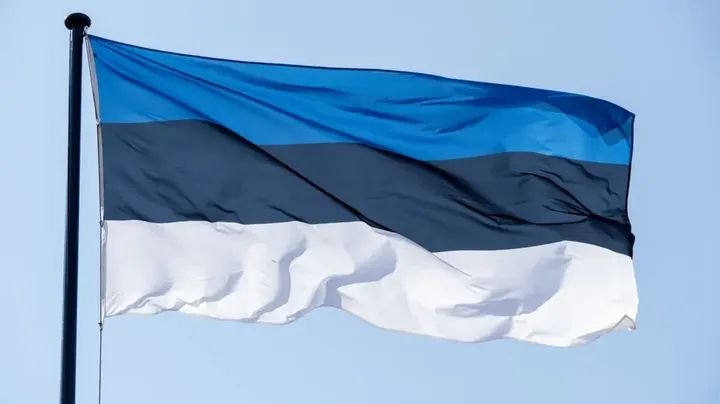
Estonia has strengthened its position against the participation of Russian and Belarusian athletes in sporting competitions hosted on its territory, joining other Nordic countries, including Norway and Finland, in maintaining restrictions linked to Russia’s ongoing war against Ukraine.
The move reflects growing opposition among some European countries to the return of Russian and Belarusian sporting representatives to international competitions while the war continues.
The issue has become increasingly contentious as international sporting organisations reconsider restrictions imposed on athletes from the two countries following Russia’s full-scale invasion of Ukraine in February 2022.
For Estonia, the position is also connected to concerns that international sport could be used to improve Russia’s global image and normalise its actions in Ukraine.
Estonia’s Position on Russian and Belarusian Athletes
Estonia’s position is part of a broader effort among Baltic and Nordic countries to prevent Russian and Belarusian sporting representatives from entering their territories to participate in competitions while the conflict in Ukraine remains unresolved.
In July 2026, the Estonian Olympic Committee reiterated its opposition to the return of Russian and Belarusian athletes under their national flags. Following a meeting involving the Olympic committees of Estonia, Latvia, Lithuania and Ukraine, Estonian Olympic Committee President Erich Teigamägi said the Baltic countries would continue to bar representatives of Russia and Belarus from entering their territories.
The position also reflects Estonia’s wider disagreement with decisions by international sporting organisations to ease restrictions on athletes from the two countries.
The Estonian Olympic Committee has argued that allowing Russian and Belarusian competitors to return with their national flags, anthems and other symbols could contribute to the normalisation of the countries’ actions during the war.
In September 2026, the Estonian Olympic Committee adopted additional recommendations for its athletes, coaches, officials and sports federations on how to respond when competing alongside Russian and Belarusian representatives.
The recommendations include maintaining distance during medal ceremonies, avoiding joint press conferences and limiting certain interactions on social media.
However, the committee clarified that these measures are recommendations rather than mandatory requirements. It also maintained that Estonian athletes should continue participating in international competitions rather than withdraw simply because Russian or Belarusian athletes are present. ERR +1
Norway and Finland Tighten Entry Restrictions
Estonia’s position has gained renewed attention following announcements by Finland and Norway on November 12, 2026, that they would prevent Russian and Belarusian professional athletes from entering their territories to participate in sporting competitions.
Norway announced that it would instruct its immigration authorities and police to refuse entry to Russian and Belarusian professional athletes and accompanying support personnel travelling to the country for sporting events.
Norwegian Justice and Public Security Minister Astri Aas-Hansen said the country was further tightening its existing restrictions on Russian and Belarusian travellers.
The Norwegian government argued that Russian elite sport maintains close connections with the country’s state structures, making it difficult to separate the participation of its athletes from the ongoing war.
The restrictions are expected to remain in place for as long as the war continues.
Finland also announced tighter entry restrictions on Russian athletes, including competitors who have been approved to participate under neutral status.
Finnish Foreign Minister Elina Valtonen defended the decision, arguing that Russian athletes should not be allowed to enter Finland while Russia’s military aggression against Ukraine continues.
The announcements could affect several major winter sporting competitions scheduled in the two countries during the 2026–2027 season. Reuters +2
International Sports Organisations Face a Difficult Position
The restrictions come at a time when international sporting organisations are reconsidering the participation of Russian and Belarusian athletes in competitions.
The International Olympic Committee (IOC) has gradually adjusted its approach to the issue.
In May 2026, the IOC announced that it would no longer recommend restrictions on Belarusian athletes, including teams, participating in competitions governed by international sports federations.
The organisation maintained a different position on Russian athletes, whose participation remained subject to separate considerations.
The IOC has argued that individual athletes should not automatically be held responsible for the political and military decisions of their governments.
However, several European countries have rejected the argument that sporting participation can be separated entirely from the political circumstances surrounding the war.
The International Ski and Snowboard Federation (FIS) also established conditions under which eligible Russian and Belarusian athletes could compete as Individual Neutral Athletes during the 2026–2027 season.
Under those conditions, athletes must compete individually, without displaying their national flags, anthems or other national symbols.
However, the FIS has acknowledged that eligibility under its rules does not guarantee entry into a host country. National governments retain authority over immigration and border policies.
This distinction is central to the latest developments: an athlete may receive permission from an international sports federation to compete but still be prevented from entering the country hosting the event. Olympics +2
Possible Impact on International Competitions
The restrictions could affect the participation of Russian and Belarusian athletes in several international sporting events, particularly winter sports competitions hosted in Northern Europe.
Norway is preparing to host major international skiing events, while Finland is also scheduled to stage competitions involving athletes from different countries.
The restrictions could therefore create complications for athletes who have already secured neutral eligibility through international sporting organisations.
The situation also presents challenges for competition organisers, who must consider national immigration requirements alongside the eligibility regulations established by their respective sports federations.
Beyond the immediate sporting calendar, the disagreement could deepen divisions between countries supporting the continued exclusion of Russian and Belarusian athletes and international organisations advocating greater access to competitions.
Russia and Belarus Face Continued Sporting Isolation
Russia and Belarus have faced extensive restrictions across international sport since Russia launched its full-scale invasion of Ukraine in February 2022.
Belarus has also faced international criticism over its support for Moscow during the conflict.
The restrictions have affected national teams, individual athletes, sporting officials and the use of national symbols at international competitions.
Russia has repeatedly opposed measures excluding its athletes, arguing that sport should remain separate from political disputes.
However, countries supporting restrictions maintain that allowing Russian and Belarusian sporting representatives to return without addressing the circumstances of the war risks weakening international opposition to the invasion.
The debate has become particularly significant ahead of the 2028 Los Angeles Olympic Games, as international sporting bodies consider the conditions under which Russian and Belarusian athletes may participate.
What Happens Next?
Norway’s government has said its new entry restrictions will take effect shortly, while Finland’s decision introduces additional obstacles for Russian athletes seeking to participate in competitions hosted within its borders.
Estonia has maintained its existing position against allowing Russian and Belarusian sporting representatives into the country while the war continues.
The decisions also place greater responsibility on international sports federations and competition organisers to coordinate athlete eligibility with the immigration policies of host countries.
For now, the disagreement over Russian and Belarusian participation remains unresolved, with the war in Ukraine continuing to shape decisions across the international sporting community.
The developments demonstrate how the conflict has extended beyond military and diplomatic relations into international sport, where questions of national representation, political neutrality and sporting fairness remain deeply contested.
Weng Global – Stories beyond borders
Sources
- Reuters – Norway says Russian, Belarusian athletes barred from competitions it hosts
- The Guardian – Norway follows Finland in barring Russian athletes from entering country over Ukraine war
- Estonian Olympic Committee – Common framework for competing alongside Russian and Belarusian athletes
- International Olympic Committee – Restrictions on Belarusian athletes’ participation
- International Ski and Snowboard Federation – Conditions for Russian and Belarusian athletes in 2026–2027