Reported by Simon Daniel Yusuph l Journalist at Weng Global
The Federal Government has urged India to ensure the welfare, dignity and protection of the fundamental human rights of Nigerians held in custodial centres across the country, renewing diplomatic attention to the treatment of citizens detained outside Nigeria.
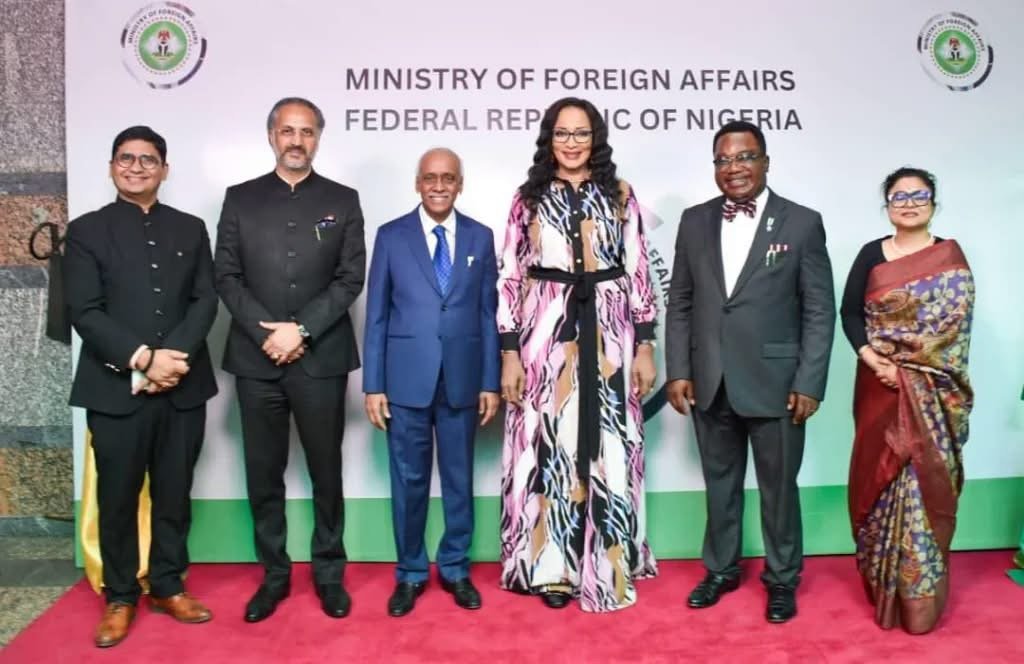
The appeal was made by Nigeria’s Minister of Foreign Affairs, Ambassador Bianca Odumegwu-Ojukwu, during a meeting with a joint high-level delegation of the National Human Rights Commission (NHRC) of Nigeria and its Indian counterpart at the Ministry of Foreign Affairs in Abuja on Tuesday, November 10, 2026.
The meeting followed the signing of a Memorandum of Understanding (MoU) between the two national human rights institutions aimed at strengthening cooperation, exchanging expertise and improving human rights protection.
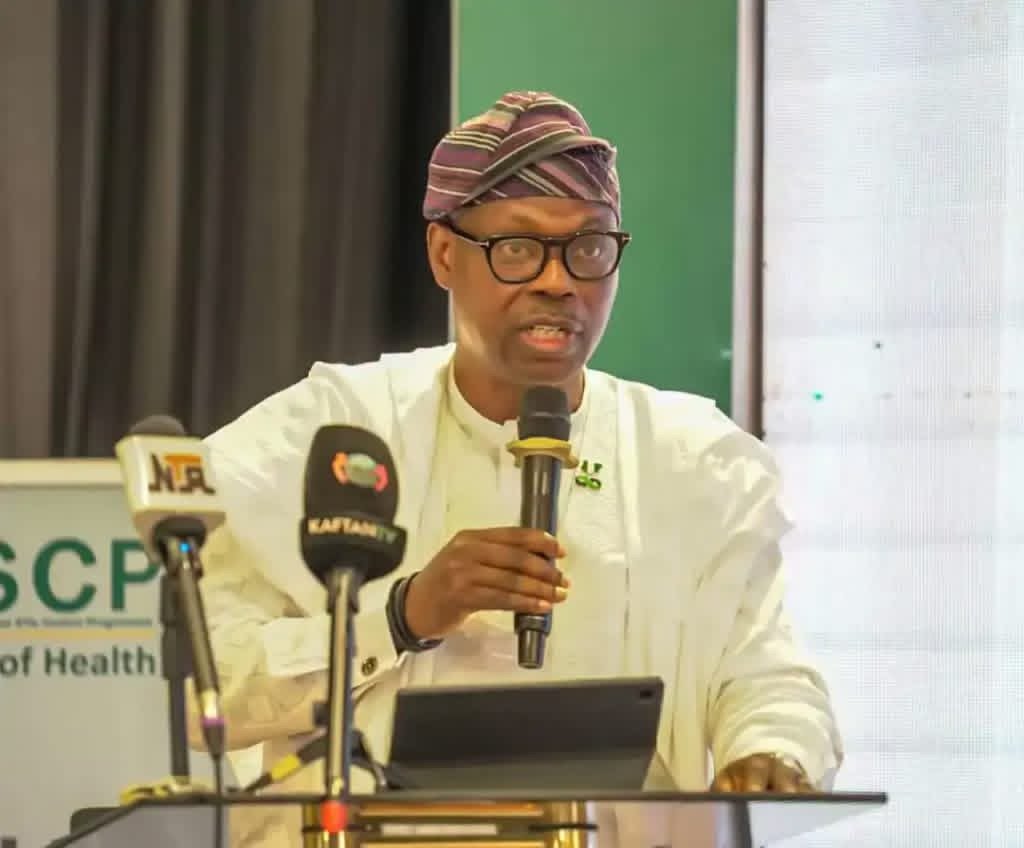
The Nigerian delegation was led by the Executive Secretary of the National Human Rights Commission, Chief Anthony Ojukwu, while the Indian delegation was headed by the Chairperson of India’s National Human Rights Commission, Justice V. Ramasubramanian.
According to information released after the engagement, Odumegwu-Ojukwu welcomed the agreement as an opportunity to translate the longstanding diplomatic relationship between Nigeria and India into practical institutional cooperation.
However, she also drew attention to concerns about Nigerians serving in custodial centres in India, calling for appropriate attention to their welfare, dignity and fundamental rights.
Her intervention places the treatment of Nigerians in detention within the broader discussions on human rights protection and bilateral relations between the two countries.
Nigeria Raises Concerns Over Citizens in Indian Custody
The Federal Government’s appeal comes amid previous reports of concerns raised by Nigerians detained in India, including complaints relating to access to legal representation, delays in court proceedings, medical attention and alleged maltreatment.
In September 2026, Nigeria’s High Commissioner to India, Ambassador Saidu Dahiru Muhammad, disclosed that he had visited correctional facilities across the country and interacted with 198 Nigerian citizens in detention over a three-day period.
The visit was part of the Nigerian mission’s efforts to assess the circumstances of detained citizens and engage relevant Indian authorities on their welfare.
Speaking during an interaction with diplomatic correspondents in New Delhi, the envoy said the detainees raised concerns about prolonged judicial processes, limited access to legal assistance, alleged racial discrimination and inadequate medical care.
He explained that discussions with prison officials suggested that some of the concerns were connected to prolonged investigations and delays in the judicial process.
Muhammad also said the Nigerian mission had submitted a detailed report on the visits to the Ministry of Foreign Affairs.
The High Commissioner maintained that allegations against detainees should not deprive them of their fundamental rights, stressing that their welfare and dignity must be respected while they remain in custody.
The September disclosure provided an indication of the consular challenges facing Nigerian authorities in monitoring citizens detained across India.
It is important, however, to distinguish between concerns raised by detainees and findings independently established by the relevant authorities. Allegations of poor treatment or discrimination require appropriate investigation and responses from the institutions concerned.
Human Rights Agreement Creates Framework for Cooperation
The latest diplomatic engagement is also significant because it followed a formal agreement between the National Human Rights Commissions of Nigeria and India.
The MoU is intended to provide a framework for institutional cooperation, including technical exchanges, capacity development, joint research and the sharing of experiences in human rights promotion and protection.
The partnership is expected to strengthen the ability of both institutions to address complaints, improve their operational approaches and engage more effectively on human rights issues.
Nigeria’s NHRC Executive Secretary, Chief Anthony Ojukwu, described the agreement as an important opportunity to deepen institutional cooperation and expand the knowledge and capacity of the Nigerian commission.
The partnership is also expected to support cooperation on complaint-management mechanisms, human rights compliance in security sector governance and research into international law and human rights implementation.
For Nigeria, the arrangement offers an additional diplomatic and institutional channel through which concerns involving Nigerian citizens in India can be raised and discussed.
It could also create opportunities for the two commissions to exchange approaches to handling complaints involving detention, access to justice, discrimination and the protection of vulnerable individuals.
However, the effectiveness of the agreement will depend on how consistently both institutions translate its provisions into practical action.
Nigeria’s Wider Diplomatic Responsibility to Citizens Abroad
Protecting Nigerians outside the country is an important responsibility of the Federal Government, particularly through its diplomatic missions and consular services.
Nigerians living, studying or working abroad may encounter different legal systems and immigration procedures. Some may also face detention over alleged immigration violations, criminal investigations or other legal matters.
When a Nigerian citizen is detained abroad, the government’s diplomatic responsibility includes making appropriate consular contact, seeking information about the person’s circumstances and engaging relevant authorities where concerns about treatment or access to justice arise.
Such engagement does not mean that Nigerian citizens are exempt from the laws of the countries where they reside. Rather, it means that they should receive the protections and legal safeguards available under the relevant domestic laws and applicable international human rights standards.
The principle that a person is entitled to humane treatment and due process remains important regardless of nationality or the allegations involved.
For Nigerians held in India, effective consular support may include monitoring detention conditions, facilitating communication with families, providing information about access to legal assistance and raising concerns through appropriate diplomatic channels.
The High Commission’s reported visit to 198 detainees in September demonstrated one way the Nigerian mission has sought to maintain contact with citizens in custody.
Nevertheless, the size of India and the geographical spread of its correctional facilities may present practical challenges for consular monitoring.
India-Nigeria Relations and the Importance of Human Rights Diplomacy
Nigeria and India maintain longstanding diplomatic, economic and cultural relations, with cooperation extending across several areas of mutual interest.
The new agreement between their national human rights commissions adds an institutional dimension to that relationship.
During the Abuja engagement, Odumegwu-Ojukwu described the MoU as a timely initiative that could strengthen the contribution of both countries to international human rights diplomacy.
She also highlighted the importance of cooperation between countries of the Global South in promoting a more inclusive international human rights system.
Justice Ramasubramanian, who led the Indian delegation, highlighted historical and demographic similarities between the two countries, including their large populations, ethnic and religious diversity, cultural heritage and democratic aspirations.
The partnership therefore goes beyond the immediate question of Nigerians in detention. It creates an opportunity for both countries to share institutional experience and strengthen their respective approaches to human rights protection.
The agreement could also provide a platform for dialogue on emerging issues that require cooperation between national institutions.
However, the concerns involving Nigerians in Indian custodial facilities provide an immediate test of how the partnership can serve citizens in practical terms.
Nigeria’s Election to UN Human Rights Council
The Federal Government’s renewed engagement on human rights also comes after Nigeria secured election to the United Nations Human Rights Council for the 2027–2029 term.
During the meeting, the Foreign Affairs Minister expressed appreciation to member states for supporting Nigeria’s election.
She reaffirmed the country’s commitment to fulfilling its international human rights obligations in accordance with the United Nations Charter and the Universal Declaration of Human Rights.
Nigeria’s participation in the council is expected to place additional attention on its engagement with international human rights standards and institutions.
The government’s position, as communicated during the Abuja meeting, was that its international human rights engagement would be guided by objectivity, non-selectivity and constructive cooperation.
For the country, the credibility of such commitments will depend not only on its participation in international institutions but also on its ability to pursue the protection of Nigerians at home and abroad.
Why the Appeal Matters
The Federal Government’s intervention matters because detention can expose individuals to significant vulnerabilities, particularly when they are far from their families and may face language, financial or legal barriers.
For Nigerians in custody in India, access to appropriate legal processes, medical attention and humane treatment can have a direct impact on their safety and ability to resolve their cases.
The concerns raised during the High Commissioner’s earlier visits also demonstrate the importance of maintaining communication between detained citizens, diplomatic officials and the authorities responsible for their custody.
The new MoU could strengthen the institutional channels available to address such concerns. But an agreement alone cannot guarantee improved conditions.
Its value will ultimately be judged by whether it leads to more effective complaint handling, regular institutional engagement and practical responses to credible reports of rights violations.
There is also a need for Nigerians travelling or residing abroad to understand the immigration and legal requirements of their host countries. Compliance with local laws can reduce avoidable difficulties, while access to consular guidance can help citizens understand available support when legal problems arise.
What Happens Next?
The immediate priority is likely to be sustained engagement between the Nigerian and Indian authorities over the concerns raised by the Federal Government.
The two national human rights commissions are expected to use the MoU as a framework for institutional cooperation, including information exchange, capacity development and improved human rights protection.
Nigeria’s Ministry of Foreign Affairs and its High Commission in India will also remain important channels for raising individual and broader concerns involving Nigerian citizens in custody.
However, the details of any specific intervention, changes to detention arrangements or resolutions involving individual detainees were not announced in the information released after the November 10 meeting.
Weng Global could not independently establish from the available reports how many Nigerians are currently held in Indian custodial centres, how many have had their cases concluded or whether the latest appeal has resulted in specific changes to their detention conditions.
The Federal Government’s message nevertheless reinforces an important principle: detention does not remove a person’s entitlement to dignity and the protection of the law.
For Nigerians held abroad, the significance of the new Nigeria-India human rights partnership will depend on whether diplomatic commitments translate into meaningful protection, access to justice and appropriate attention to their welfare.
Weng Global – stories beyond borders
Sources
- Federal Ministry of Foreign Affairs, Nigeria
- National Human Rights Commission of Nigeria
- Voice of Nigeria
- The Guardian Nigeria
- THEWILL
- Kapital FM
- Premium Times