Reported by Weng Patrick Atokor l Journalist at Weng Global
Iran has urged the United States to accept its conditions for ending their eight-month conflict, offering to reopen the strategically important Strait of Hormuz as part of a proposed diplomatic agreement aimed at restoring stability in the Middle East.
Tehran’s latest proposal links the reopening of the major international shipping route to Washington lifting its naval blockade of Iranian ports, easing economic sanctions and agreeing to end hostilities across the region.
The diplomatic initiative comes amid renewed efforts by regional mediators to prevent further escalation, although significant disagreements remain between the two governments over the conditions required to end the conflict.
Iran has also indicated that it could implement its proposed arrangement within two days if Washington accepts its demands, shortening an earlier seven-day timetable.
According to reports by Reuters, the latest diplomatic exchanges have yet to produce a breakthrough, with both countries maintaining competing positions on the sequence of concessions required for negotiations to progress. Reuters +2
Iran Sets Conditions for Reopening the Strait of Hormuz
Iran’s Foreign Ministry spokesperson, Esmaeil Baghaei, said Tehran’s proposal remained the basis of discussions with Washington through diplomatic intermediaries.
The conditions include lifting the US naval blockade on Iranian ports, removing recently imposed sanctions, restoring arrangements that would allow Iranian oil exports and ending the conflict across all fronts.
Iran has also demanded that discussions about its nuclear programme take place after the initial conditions have been implemented.
Tehran maintains that reopening the Strait of Hormuz and restoring maritime security should be among the first steps towards ending the confrontation.
The Iranian government has argued that its proposed timetable demonstrates its willingness to pursue a diplomatic solution, provided Washington responds positively to its demands.
Washington Rejects Iran’s Proposed Conditions
The United States has not accepted Iran’s proposed terms, creating a major obstacle to the diplomatic process.
US Secretary of State Marco Rubio criticised Tehran’s conditions, describing them as unrealistic. Washington has maintained that any lasting agreement must address broader security concerns, particularly Iran’s nuclear programme.
The disagreement centres partly on the order in which both countries should make concessions.
Iran wants Washington to lift its blockade, ease sanctions and halt military operations before substantive negotiations begin. The United States, however, wants assurances and concrete commitments on nuclear issues rather than postponing them until a later stage.
This difference has complicated efforts to establish a framework that both governments would consider acceptable.
Iranian officials have defended their position, arguing that it would be unreasonable to begin negotiations while US sanctions and restrictions on Iranian ports remain in place.
The competing demands illustrate the difficulties facing mediators attempting to secure a comprehensive settlement. Reuters +2
Trump Agrees to Hold Off on Further Strikes for Now
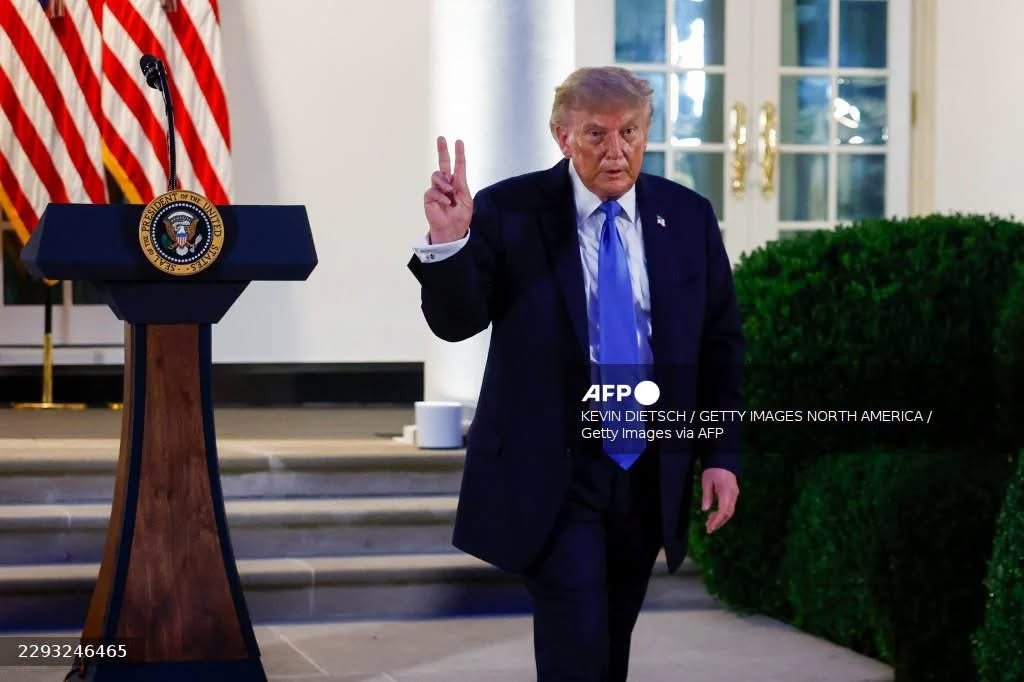
US President Donald Trump said on November 9 that he would hold off on launching fresh military strikes against Iran for the time being, following appeals from several Middle Eastern countries concerned about another escalation.
According to Reuters, Trump made the announcement after meeting Qatari Prime Minister Sheikh Mohammed bin Abdulrahman Al-Thani at the White House.
Qatar, Saudi Arabia, the United Arab Emirates, Bahrain and Kuwait were among the regional countries that urged restraint.
However, Trump’s decision does not mean that military pressure against Iran has ended.
The US president indicated that Washington would maintain its naval blockade, while keeping American military forces prepared for further action if necessary.
The distinction is important because the continued blockade remains one of the principal obstacles to Iran’s acceptance of the current situation.
Trump’s position reflects an attempt to keep diplomatic options open without abandoning the economic and military pressure Washington has imposed on Tehran.
Meanwhile, Rubio has expressed doubts about the possibility of an immediate diplomatic breakthrough, suggesting that the disagreement remains substantial despite renewed mediation efforts. Reuters +1
Qatar Leads Renewed Diplomatic Efforts
Qatar has emerged as an important intermediary in attempts to bring the United States and Iran closer to an agreement.
Prime Minister Sheikh Mohammed bin Abdulrahman Al-Thani has been involved in diplomatic contacts with both sides, including discussions in Tehran and Washington.
The Qatari government has sought to prevent the conflict from expanding and to encourage negotiations that could restore regional stability.
The latest diplomatic engagements have taken place against the background of failed attempts to establish a lasting ceasefire.
Iranian Foreign Minister Abbas Araghchi has also participated in discussions involving regional intermediaries.
Although the diplomatic contacts have kept communication channels open, the parties have not reached an agreement on the central conditions for ending the war.
Other regional actors have also expressed concern.
Turkish President Recep Tayyip Erdoğan said Ankara did not want to see another escalation and maintained that dialogue and diplomacy offered a way to resolve the dispute.
The involvement of several Middle Eastern governments reflects the wider regional consequences of the conflict, particularly its impact on shipping, energy supplies and security. Reuters +1
Why the Strait of Hormuz Is So Important
The Strait of Hormuz is one of the world’s most strategically important maritime passages.
Located between Iran and Oman, the narrow waterway connects the Persian Gulf to the Gulf of Oman and the wider international shipping network.
Before the conflict, approximately one-fifth of global oil and liquefied natural gas trade passed through the strait, making it a critical route for international energy supplies.
Its disruption has therefore created concerns far beyond the Middle East.
Countries that depend heavily on imported petroleum and gas face potential supply difficulties, while businesses and consumers can be affected by higher transportation and energy costs.
For major energy-importing economies in Asia, including China, India, Japan and South Korea, the security of the waterway is particularly important.
African economies could also feel the consequences through changes in international oil prices, fuel import costs, transport expenses and inflation.
In countries where governments or businesses depend on imported petroleum products, prolonged disruption could increase pressure on household budgets and operating costs.
The strategic importance of the strait also explains why both Washington and Tehran consider control over maritime access an important negotiating issue.
For Iran, the waterway represents significant economic and geopolitical leverage. For the United States and other countries, ensuring freedom of navigation is essential to protecting international trade and energy security. StreetInsider.com +1
Conflict Continues Despite Diplomatic Engagements
Despite renewed negotiations, military tensions have not completely subsided.
Reuters reported on November 9 that Iranian state media had reported US strikes on Qeshm Island, although a provincial official said the attacks did not affect vital infrastructure or services.
The United States had not publicly commented on those particular reports at the time of publication.
The report also highlighted continuing attacks involving commercial vessels in the Gulf and Strait of Hormuz.
Iranian state television reported that 11 tankers had been disabled over a 10-day period, although this figure was attributed to state television and should not be treated as independently verified casualty or damage data.
Maritime security concerns have remained elevated, with attacks on tankers and other shipping incidents adding to uncertainty for commercial operators.
The continued military activity demonstrates that diplomatic discussions have not yet translated into a comprehensive cessation of hostilities.
It also creates additional pressure on regional governments seeking to prevent the conflict from spreading into neighbouring countries and other important maritime routes. Reuters
Nuclear Programme Remains a Major Point of Disagreement
Iran’s nuclear programme remains one of the most sensitive issues in the negotiations.
Washington has consistently argued that any agreement intended to end the conflict must address concerns about Iran’s nuclear activities.
The United States wants meaningful commitments on uranium enrichment and greater assurances concerning Iran’s nuclear capabilities.
Tehran, however, wants the initial negotiations to concentrate on ending military operations, lifting economic restrictions and reopening the Strait of Hormuz.
The disagreement reflects a broader diplomatic challenge: both governments want guarantees that the other side will honour its commitments before surrendering important negotiating advantages.
The United States is concerned about Iran’s future nuclear capabilities, while Tehran wants economic relief and assurances against further military action.
Without an agreed framework addressing these competing priorities, negotiations could remain stalled even if both sides continue communicating through intermediaries. AP News +2
What Happens Next?
The immediate question is whether Washington will reconsider Iran’s conditions and whether regional mediators can develop an arrangement acceptable to both governments.
Iran has indicated that it could move quickly to reopen the Strait of Hormuz if its demands are accepted.
However, the United States has continued to reject important parts of Tehran’s proposal, particularly its attempt to postpone nuclear negotiations.
Qatar’s diplomatic involvement could remain important in facilitating further discussions, while other regional governments are expected to continue pressing for restraint.
For now, there is no confirmed comprehensive peace agreement, and the continued US blockade and military tensions suggest that a resolution remains uncertain.
The outcome will depend largely on whether both governments can agree on the sequence of concessions, security guarantees and political commitments required to end the conflict.
Why the Development Matters to Africa and the World
The confrontation between Iran and the United States is not simply a regional political dispute.
Its consequences extend to international trade, energy markets, maritime transportation and economic stability.
For African countries, particularly those dependent on imported refined petroleum products, prolonged instability around the Strait of Hormuz could contribute to higher energy and transportation costs.
Rising international oil prices can increase production expenses, affect food distribution and place additional pressure on governments already managing inflation and currency challenges.
The conflict also highlights the vulnerability of international supply chains when major maritime routes become inaccessible or unsafe.
A diplomatic agreement that restores safe passage through the Strait of Hormuz could therefore provide relief to international shipping and energy markets.
However, a sustainable settlement would require more than temporarily reopening the waterway. It would also need to address the military confrontation, sanctions, nuclear concerns and wider regional security disagreements.
For the international community, the priority remains preventing further escalation and securing a diplomatic arrangement that protects civilian populations, international trade and regional stability.
Weng Global – Stories beyond borders
Sources
1. Reuters – Trump says he will hold off on fresh Iran strikes for now.
2. Reuters – Iran defends two-day proposal for peace talks after US rejects conditions.
3. Associated Press – Mediators are working to broker a US-Iran deal, but major hurdles remain.
4. Al Jazeera – Mediators continue US-Iran negotiations amid war rhetoric.
5. Reuters – Iran urges US to accept proposal to reopen Strait of Hormuz.