Reported by Weng Patrick Atokor l Journalist at Weng Global
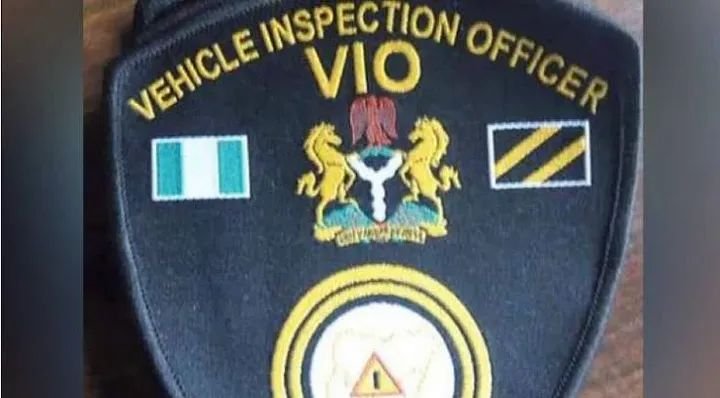
A video circulating on social media has shown a man confronting Vehicle Inspection Officers (VIOs) in Asaba, Delta State, over the condition of an official vehicle allegedly fitted with worn-out tyres.
The man questioned the officers over their enforcement activities, arguing that motorists should not be stopped over vehicle defects while an official vehicle belonging to the enforcement personnel appeared to have similar roadworthiness concerns.
The incident has drawn attention to questions about consistency, accountability and the responsibilities of government officials involved in enforcing road safety regulations.
Man Questions VIO Officers Over Vehicle Condition
In the circulating footage, the man appears to challenge the VIO officials over the condition of their vehicle, particularly its tyres.
His central argument concerns what he considers an apparent contradiction between the standards imposed on ordinary motorists and the condition of vehicles used by those responsible for enforcing them.
The video has attracted attention because vehicle inspection officers are expected to promote roadworthiness and ensure that vehicles operating on public roads meet the required safety standards.
However, the specific location where the confrontation occurred, the date of the incident and the identities of the officials involved have not been independently established by Weng Global.
The Delta State authorities have also not been confirmed to have issued an official response to the particular video.
Roadworthiness Standards and VIO Responsibilities
Vehicle Inspection Officers play an important role in road safety enforcement, including assessing vehicle conditions and identifying defects that could endanger motorists and other road users.
Tyres are among the essential components considered when determining whether a vehicle is safe for use.
Worn-out tyres can reduce road grip, increase braking distances and make it more difficult for drivers to maintain control, particularly during rainfall or sudden emergency manoeuvres.
The responsibility to maintain roadworthy vehicles applies to government-owned vehicles as well as privately owned and commercial vehicles.
Consequently, the concerns raised in the video touch on a broader public accountability question: whether enforcement agencies consistently observe the same safety requirements they expect motorists to follow.
Delta Government’s Position on Road Safety
The incident comes amid the Delta State Government’s continued emphasis on transport safety and compliance with road regulations.
On November 3, 2026, the state government, through its Directorate of Transport, issued a public sensitisation message urging motorists, commercial drivers and transport operators to observe established safety requirements.
According to a report by Asaba Metro, Commissioner for Transport Onoriode Agofure warned against traffic violations, including dangerous overtaking, overloading, driving against traffic and operating vehicles with expired or worn-out tyres.
The government also cautioned motorists against using vehicles that are not roadworthy, stressing the importance of compliance in protecting lives and property.
Although the announcement addressed motorists generally, it reinforces the importance of maintaining appropriate vehicle safety standards across the transport system.
Why the Incident Matters
The confrontation raises an important issue beyond the exchange between the man and the officers.
Public confidence in road safety enforcement depends partly on whether enforcement personnel demonstrate the standards they are responsible for upholding.
When motorists are required to maintain their vehicles, official vehicles used for enforcement should also meet the same basic safety expectations.
Consistent enforcement helps strengthen public trust, while apparent double standards can create resentment and raise questions about the credibility of regulatory institutions.
There is also a practical safety concern. An official vehicle with defective tyres could expose its occupants and other road users to unnecessary risks.
The issue therefore goes beyond public criticism or social media reactions. It concerns the need for responsible vehicle maintenance and equal application of road safety standards.
What Happens Next?
The circumstances surrounding the video, including the condition of the vehicle and the identity of the officials involved, require further clarification.
A response from the Delta State Ministry of Transport or the relevant Vehicle Inspection Directorate would help establish whether the vehicle was inspected, whether any defects were identified and whether corrective action was taken.
Weng Global has not independently verified the claims made in the video and has not established whether the authorities have commenced any investigation.
The incident nevertheless highlights the importance of accountability in public service and the need for government enforcement agencies to maintain the standards they demand from citizens.
For road safety regulations to command public confidence, compliance must be demonstrated by everyone, including those responsible for enforcing the law.
Weng Global — Stories beyond borders.
Sources
- Asaba Metro – Delta Government’s November 3, 2026, road safety sensitisation report.
- Asaba Metro – Delta State vehicle inspection and road safety compliance announcement.
- Ndokwa Reporters – Report on the responsibilities and operational expectations of Vehicle Inspection Officers in Delta State.