Reported by Simon Daniel Yusuph l Journalist at Weng Global
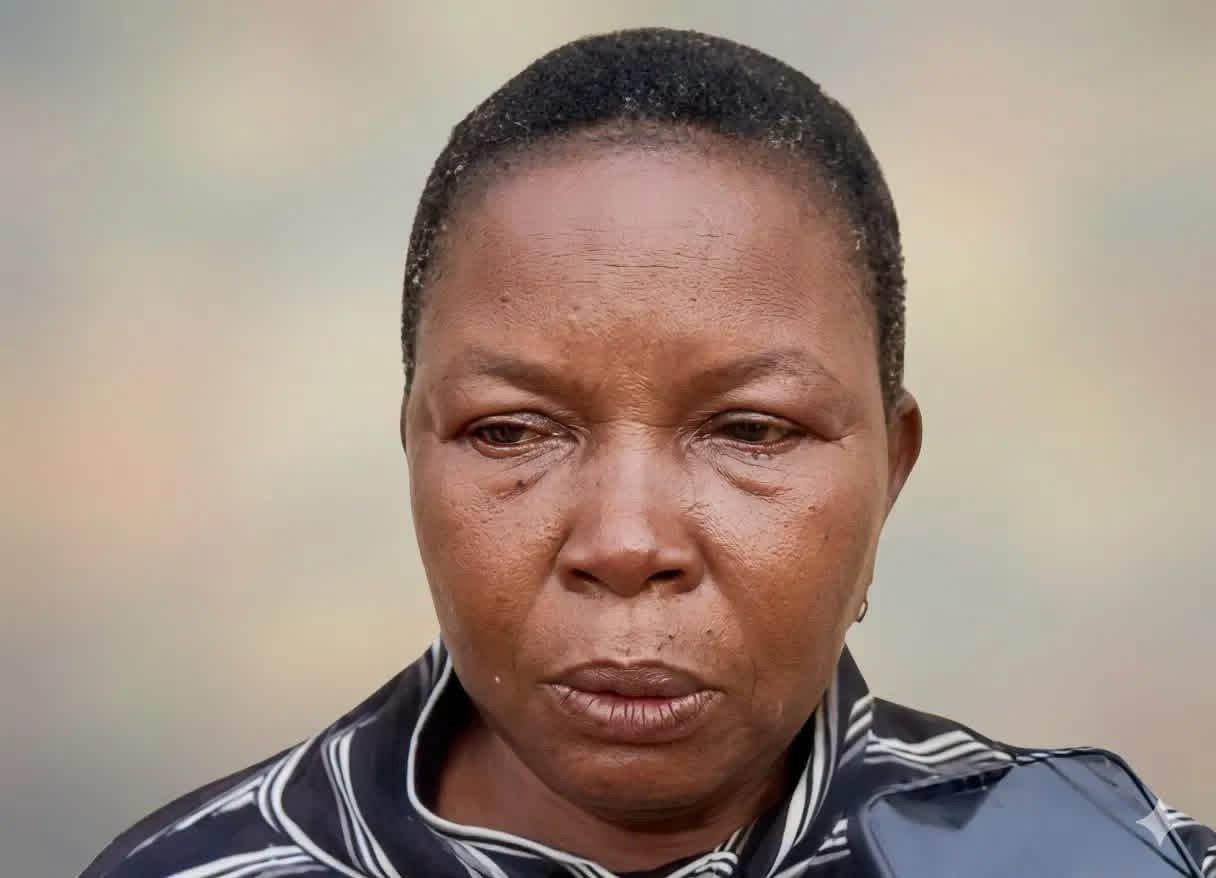
A widow in Nsokkara community, Ezza South Local Government Area of Ebonyi State, has alleged that she was ostracised, denied access to community water sources and prevented from entering local markets after she objected to the relocation of women’s meetings from a public venue to a private residence.
Mrs Njideka Ngwuta, who has lived in the community for about 27 years, alleged that the action by the Acharaukwu Development Union (ADU) Women Wing was part of a wider campaign to force her out of her late husband’s family home and gain control of land and other property belonging to her family.
The ADU Women Wing confirmed that Ngwuta had been ostracised, although its representatives gave a different account of the circumstances, alleging that the widow had previously participated in actions against other women in the community.
The traditional ruler of Nsokkara Autonomous Community, HRH Eze Festus Ifesinachi Okonkwo, has condemned the action and dissolved the leadership of the ADU Women Wing. He also ordered that Ngwuta return to her matrimonial home and warned against further threats to her life.
Widow Says Dispute Began Over Meeting Venue
According to Ngwuta’s account, the dispute intensified after the women’s group changed the location of its meetings from a public playground to the compound of one of her late husband’s relatives.
She said she became concerned about attending meetings at private residences because of an existing dispute over her late husband’s property and her fears that she could be exposed to accusations or other forms of harassment.
Ngwuta said she formally informed the women’s association that she would not attend meetings held in private compounds.
The disagreement subsequently escalated.
She alleged that the women’s leadership reported her to the Catholic Church where she worships. In an effort to resolve the dispute, the Catholic Women Organization reportedly asked her to apologise to the ADU women.
Ngwuta said she complied and went with members of her church to meet the women, but they were refused entry into the compound where the meeting was being held.
She later alleged that the women handed her a matchbox as a symbolic indication that she had been ostracised.
Alleged Ban From Water, Markets and Community Interaction
The widow said the ostracisation went beyond social exclusion.
According to her petition, she was allegedly prohibited from fetching water from community streams and boreholes, barred from interacting with other residents and prevented from entering local markets to buy or sell goods.
She also alleged that she was threatened with death if she disobeyed the orders.
Those allegations have not been independently established by Weng Global. However, the leadership of the ADU Women Wing confirmed that Ngwuta had been ostracised by the union.
The case therefore involves two distinct issues: the fact that the women’s group acknowledged ostracising Ngwuta, and the widow’s broader allegations concerning threats, restrictions on access to community resources and an alleged attempt to remove her from her late husband’s property.
The latter claims remain allegations requiring appropriate investigation.
Widow Links Dispute to Land and Family Property
Ngwuta has alleged that the conflict is connected to attempts by some members of her late husband’s family to take control of land and other property belonging to the family.
She said her husband and his two brothers are deceased, leaving the wider family without an adult male representative at the kindred level.
According to her account, she remained in the village after her husband’s death and continued farming on family land. She said proceeds from farming helped her educate her three children.
She also said she cared for her mother-in-law until her death and remained in the family compound rather than leaving the community.
Ngwuta alleged that some relatives subsequently sought to take over family lands and estates. She said the wider Acharaukwu community previously intervened in the dispute and ruled in her favour.
She believes the subsequent conflict with the women’s group is connected to efforts to pressure her out of the family home.
Those claims are allegations made by Ngwuta and have not been independently proven.
ADU Women Wing Gives Its Own Account
The leadership of the ADU Women Wing acknowledged that Ngwuta was ostracised.
The president of the women’s group, Mrs Leticia Ngele, and another member, Mrs Eucheria Nwandende, reportedly said Ngwuta had been involved in actions against other women in the community.
The women’s representatives therefore disputed the widow’s characterisation of the dispute as an isolated punishment arising solely from her refusal to attend a meeting in a private residence.
Their response is important because it provides an alternative account of why the women’s group took disciplinary action against Ngwuta.
However, the reports reviewed by Weng Global do not establish that the widow committed any criminal offence or justify the alleged restrictions on her access to water, markets or other community facilities.
The precise circumstances surrounding those restrictions would require further investigation by the appropriate authorities.
Traditional Ruler Condemns Ostracisation
The traditional ruler of Nsokkara Autonomous Community, Eze Festus Ifesinachi Okonkwo, has taken a position against the action.
Okonkwo said ostracising the widow was not part of the accepted culture, customs or traditions of the community.
He said he was aware of the dispute and had attempted to intervene, but efforts to resolve the matter had failed.
The monarch also said representatives of the women’s group failed to honour a summons issued as part of the attempt to address the dispute.
Following the escalation, Okonkwo dissolved the leadership of the Acharaukwu Development Union Women Wing.
He also submitted the dissolution order to the Ebonyi State Commissioner for Local Government and Chieftaincy Matters.
The monarch directed Ngwuta to return to her matrimonial home and reunite with her children and other family members.
He further warned that any additional threats against her would be treated seriously under Ebonyi State and federal law.
Ebonyi VAPP Law and Protection of Widows
The dispute has also raised questions about the legal protection available to women facing harmful traditional practices in Ebonyi State.
Ebonyi State enacted the Violence Against Persons (Prohibition) Law, No. 002 of 2018. The legislation came into effect in January 2018 and was designed to prohibit violence in private and public life, provide protection and remedies for victims and establish penalties for offenders.
The law covers a range of conduct, including physical violence, coercion, intimidation, psychological and economic abuse, harmful traditional practices and other forms of violence.
Legal and policy analyses of the Ebonyi law have specifically identified harmful practices affecting widows, including practices involving confiscation of a deceased husband’s property.
The law also provides mechanisms through which victims of violence can seek protection orders and other forms of legal assistance.
The relevance of the law to Ngwuta’s case will ultimately depend on the facts established by investigators and, where necessary, the courts.
The traditional ruler has nevertheless cited the law in condemning the reported treatment of the widow.
Wider Concern Over Widowhood Practices
The incident comes against a wider history of concerns about the treatment of widows in parts of south-eastern Nigeria.
Academic research has documented forms of social isolation and harmful widowhood practices in the region, including ostracisation and restrictions placed on widows following the death of their husbands.
A 2026 study examining widowhood experiences in Amike Aba, Ebonyi State, also identified widow marginalisation, inheritance denial and social ostracisation as continuing concerns despite changing legal and cultural frameworks.
These studies provide broader context but do not establish that every dispute involving a widow in Ebonyi is rooted in the same practices.
Each case requires its own facts and evidence.
The Ngwuta case is particularly significant because the allegations involve not only social exclusion but claims of restrictions on access to basic community resources and an alleged property dispute.
Family Members Reportedly Left Home
Ngwuta said the conflict had affected other members of her household.
She alleged that her three children and some of her late husband’s nephews and nieces had left the family compound because of fears for their safety.
She also said she was no longer sleeping regularly in her marital home and had been staying in neighbouring communities.
These claims have not been independently verified.
If confirmed, however, such circumstances would raise concerns beyond a disagreement within a women’s association, particularly regarding the safety and housing security of a widow and her children.
The traditional ruler’s instruction that Ngwuta return to her matrimonial home suggests that the community leadership considers her continued absence from the property a matter requiring urgent attention.
Questions Over Community Authority
The case also raises broader questions about the limits of community disciplinary structures.
Traditional institutions and community associations continue to play important roles in resolving disputes in many Nigerian communities. They can provide mechanisms for mediation, reconciliation and local administration.
However, community authority operates alongside Nigeria’s formal legal system.
Where allegations involve threats to life, physical violence, forced eviction, unlawful deprivation of liberty or other potential offences, such matters may require intervention by law enforcement agencies and the courts.
The existence of local customs or community decisions does not by itself establish that an action is lawful.
This distinction is particularly important in cases involving vulnerable people, including widows who may have limited access to family or financial support.
Human Rights Group Also Raises Concern
The controversy had attracted attention before the latest report.
In September, the Human Rights Defenders, HURIDE, Ebonyi State chapter, condemned the reported ostracisation and alleged threats against Ngwuta.
The organisation called for investigation into the allegations and described the treatment reportedly meted out to the widow as degrading and inhuman.
The involvement of a rights organisation adds another dimension to the dispute, particularly because the allegations concern access to basic resources, social exclusion and personal safety.
However, claims by advocacy organisations, like those made by the widow and the women’s association, should still be distinguished from findings established through official investigation or judicial proceedings.
Why It Matters
The case matters because access to water, food markets, family property and personal safety are fundamental aspects of everyday life.
If the widow’s allegations concerning restrictions on water and market access are established, the dispute would extend beyond an internal disagreement among members of a community association.
It would raise questions about whether community sanctions were used in a way that deprived an individual of essential services and freedom of movement.
The alleged connection with family property also highlights longstanding concerns surrounding inheritance and the vulnerability of widows who may lack the protection of adult male relatives.
At the same time, the response from the traditional ruler demonstrates that community leadership can play a role in challenging practices it considers inconsistent with local values or state law.
The case therefore presents an important test of how traditional institutions, women’s organisations, rights advocates and formal authorities respond when customary dispute resolution comes into conflict with individual rights.
What Happens Next
The immediate focus is likely to remain on the investigation promised by the traditional ruler and any action by relevant state authorities.
The palace has said it intends to investigate the circumstances surrounding the ostracisation and identify those allegedly responsible for sponsoring the action.
The widow has also appealed for intervention from the Ebonyi State Ministry of Women Affairs, the wife of the governor and law enforcement authorities.
Further developments will be important in determining whether the allegations concerning threats, restrictions on access to water and markets, and the alleged property dispute are substantiated.
Any criminal allegations should be investigated by the appropriate authorities, while disputes over land and family property should be handled through recognised legal and customary processes.
For Ngwuta and her children, the central issue remains safety and the ability to live without intimidation in the family home.
For the wider community, the case has renewed attention on the treatment of widows and the need to ensure that cultural and community institutions operate within the framework of established rights and laws.
Weng Global – stories beyond borders
Sources
- Vanguard News — report on Njideka Ngwuta’s allegations, the ADU Women Wing’s response and the traditional ruler’s intervention.
- The Sun Nigeria — report on the dissolution of the ADU Women Wing by the Nsokkara traditional ruler.
- Pan Afric Reporters — earlier report on the widow’s petition and allegations of ostracisation and threats.
- Human Rights Defenders, Ebonyi State — reported condemnation of the alleged treatment of the widow.
- Ebonyi State Violence Against Persons (Prohibition) Law, No. 002 of 2018 — legal framework governing violence and harmful practices in the state.