Reported by Weng Patrick Atokor l Journalist at Weng Global
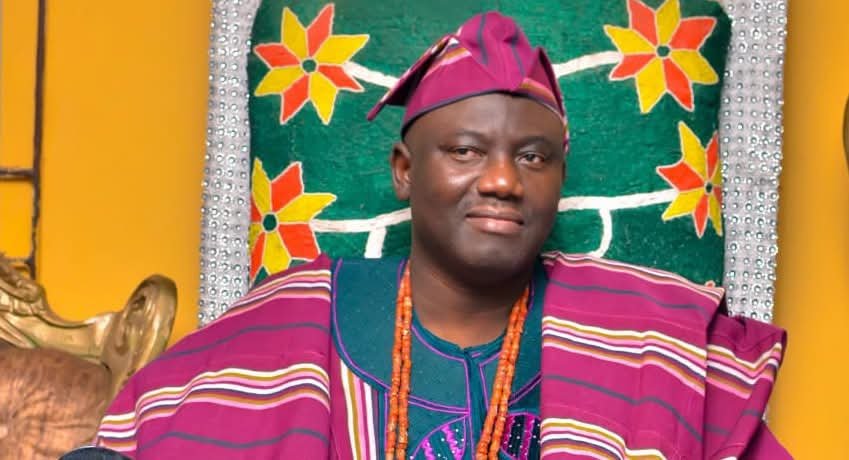
The Alaafin of Oyo, Oba Abimbola Akeem Owoade I, has urged Nigerian politicians to close ranks and focus on finding practical solutions to the country’s longstanding challenges, including insecurity, economic hardship and social divisions.
The monarch made the call in a message issued through his Director of Media and Publicity, Bode Durojaiye, to mark Nigeria’s 65th Independence Anniversary on October 1, 2025. His remarks centred on national unity, responsible leadership, integrity and the need for Nigerians to look beyond ethnic and religious divisions.
Alaafin calls for a problem-solving approach
Oba Owoade said politicians should move beyond what he described as “primordial sentiments” and adopt a more pragmatic approach to the problems confronting Nigeria.
According to reports of his independence message, the Alaafin argued that national growth and development depend on values including justice, responsibility, honesty, selflessness, probity and commitment to public duty.
He also called on political actors to “close ranks” and engage in constructive discussions aimed at reaching a common understanding of the major state-building challenges facing the country.
The intervention comes as Nigeria continues to debate how to address security challenges, economic pressures, governance concerns and social divisions.
Monarch warns against ethnic and religious divisions
A central part of the Alaafin’s message was his appeal for Nigerians to judge one another by character rather than ethnic origin.
He argued that Nigeria’s diversity should be used as a source of strength rather than exploited for political or social divisions.
The monarch also raised concerns about the erosion of values such as honesty, integrity, good neighbourliness and religious tolerance, asking why values that previously helped define Nigerian society had weakened.
His comments placed particular emphasis on the relationship between responsible leadership and national development.
Alaafin reflects on Nigeria’s historical experience
Oba Owoade also drew comparisons with the history of the Old Oyo Empire, highlighting its system of administration and the coexistence of different communities.
In his independence message, he questioned why Nigeria continues to face serious socio-economic difficulties despite successive governments borrowing substantial amounts of money.
He raised concerns about insecurity and economic hardship and questioned whether the country’s challenges should be regarded as incapable of being solved.
The historical reference formed part of his broader argument that Nigeria needs to recover principles of responsibility, social cohesion and public service.
Warning over political exploitation of differences
The Alaafin also warned Nigerians to be cautious of politicians who exploit ethnic, religious or other differences for personal or political interests.
According to the reported message, he criticised what he described as a selfish political class that exploits divisions while benefiting from the country’s resources.
Rather than allowing identity-based divisions to dominate public life, he encouraged Nigerians to recognise the positive qualities of their fellow citizens and work towards greater national cohesion.
The monarch’s comments are part of a wider public debate in Nigeria about the role of political leadership in addressing divisions and strengthening national institutions.
Youth and cultural values
Beyond politics, Oba Owoade called on parents to teach children the value of responsible citizenship and the inherent goodness of ordinary Nigerians.
He also urged young Nigerians not to lose their connection with their traditions and customs.
The emphasis on culture reflects the Alaafin’s traditional role as a custodian of Yoruba heritage, while his independence message linked cultural identity with broader questions about values and national development.
Why the message matters
The Alaafin’s intervention highlights several issues that remain central to Nigeria’s political and social discussions: national cohesion, responsible leadership, ethnic and religious tolerance, public accountability and economic development.
His call for politicians to focus on practical solutions rather than divisions also places responsibility on political leaders and citizens alike to engage with the country’s challenges through institutions, policy and public debate.
The message does not propose a specific political party or candidate. Instead, it focuses on broader principles of leadership, citizenship and national unity.
As Nigeria continues to navigate political and economic challenges, calls for greater cooperation among political actors remain part of the wider conversation about how the country can strengthen governance and improve living conditions.
What happens next
The issues raised by the Alaafin ultimately depend on decisions by Nigeria’s elected institutions, governments, political parties and citizens.
Addressing insecurity, economic hardship, social divisions and concerns about public accountability requires concrete policy measures and effective implementation rather than political rhetoric alone.
For Nigerians, the continuing debate will centre on how political leaders translate calls for unity and responsible leadership into policies and actions that produce measurable improvements in people’s lives.
Weng Global – Stories beyond borders
Sources
- Television Continental (TVC News) — report on the Alaafin’s 65th Independence Anniversary message.
- Leadership Newspaper — report on the Alaafin’s call for politicians to find solutions to Nigeria’s problems.