Reported by Simon Daniel Yusuph l Journalist at Weng Global
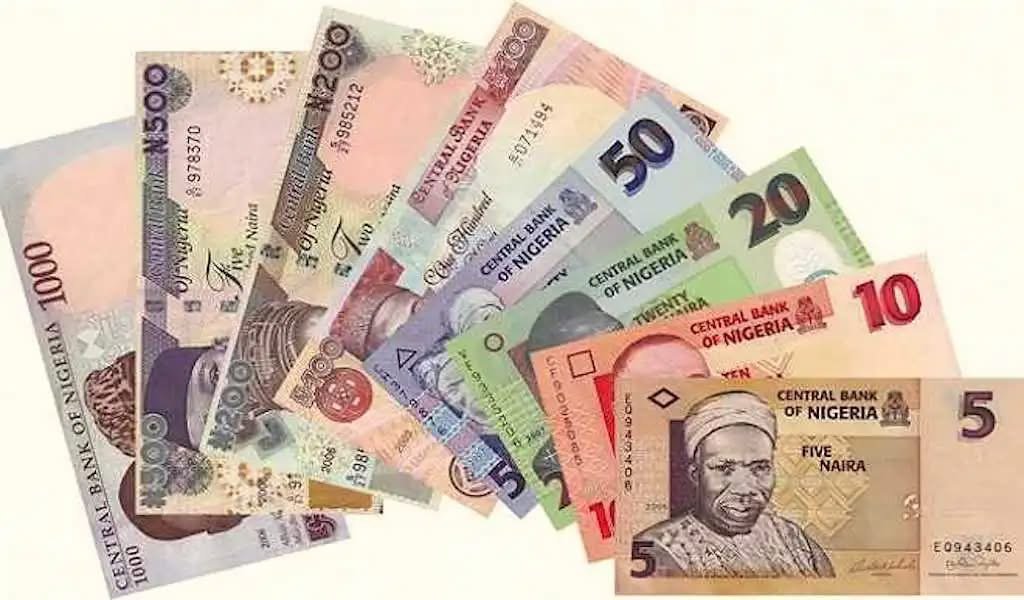
The Central Bank of Nigeria (CBN) has urged Nigerians, particularly traders and other frequent users of cash, to handle naira notes with care, pride and dignity to extend their lifespan and reduce the cost of replacing damaged currency.
The appeal was made on Monday, September 28, 2026, during a CBN sensitisation campaign at Galadima Market in Kano State, where the apex bank began taking its message on proper currency handling directly to traders and members of the public.
The campaign comes as the CBN continues efforts to improve the quality of naira notes in circulation and reduce avoidable costs associated with notes becoming dirty, worn, damaged or mutilated.
CBN Takes Currency Campaign to Kano Markets
Speaking during the sensitisation exercise, Ibrahim Yahya, a representative of the CBN Currency and Operations Department, described the naira as a symbol of Nigeria’s sovereignty and national pride.
He urged Nigerians to treat the currency responsibly, stressing that careless handling shortens the useful life of banknotes and increases the frequency with which they have to be replaced.
According to Yahya, the CBN and the Federal Government spend substantial resources replacing notes that become dirty, soiled or mutilated because of improper handling.
He said careful use of the currency could extend the lifespan of individual notes and reduce the resources required for replacement.
The campaign is particularly focused on markets because traders are among the Nigerians who handle large volumes of physical cash every day.
Yahya said traders receive cash from customers during transactions and subsequently take some of their proceeds to banks, making them important participants in efforts to preserve the quality of banknotes in circulation.
Campaign to Continue Across Kano
The CBN said the sensitisation exercise would not end at Galadima Market.
Other markets identified for the campaign include Sabon Gari Market, Abattoir, Yankaba Market, Tarauni Market, Yan Lemo and Dawanau International Grains Market.
The decision to begin the exercise in markets reflects the importance of cash transactions in Nigeria’s commercial economy, particularly among small businesses and informal traders.
For many businesses, especially those operating in open markets, physical cash remains an important means of receiving payments despite the expansion of electronic payment channels.
The CBN’s message therefore places responsibility not only on financial institutions but also on individuals and businesses that handle banknotes daily.
Why Proper Handling of the Naira Matters
Banknotes are designed to circulate repeatedly between consumers, businesses and financial institutions. When notes are unnecessarily folded, torn, stained, written on or otherwise damaged, they become unsuitable for continued circulation sooner than they otherwise would.
That creates a need for commercial banks and the CBN to withdraw unfit notes and replace them with new or fit currency.
The CBN has previously linked poor handling of the naira to increased currency replacement and printing costs.
In September 2025, the apex bank launched a nationwide sensitisation campaign under the theme “Naira Our Pride: Handle with Care”, warning against practices including folding, tearing, spraying money at social events, writing on banknotes and mutilating the currency.
During that campaign, CBN Deputy Governor, Operations Directorate, Bala Bello, warned that poor handling could increase the cost of printing and replacing banknotes, while also affecting the quality of currency available for everyday transactions.
Channels Television reported that the CBN’s currency issue expenses rose sharply to ₦315.18 billion in 2024, compared with ₦77.67 billion in 2023. That figure covered currency-related expenses and was cited by the broadcaster in its reporting on the central bank’s campaign.
The figures illustrate why the condition and circulation of physical currency remain an important operational issue for the country’s monetary authorities.
CBN Has Repeatedly Warned Against Naira Abuse
The latest campaign in Kano is not the first time the CBN has urged Nigerians to protect the national currency.
In previous sensitisation exercises, the central bank has warned against spraying naira notes during celebrations, stepping on the currency, squeezing banknotes, writing on them and deliberately damaging them.
The CBN has also encouraged Nigerians to keep banknotes properly stored and to use alternative payment channels where appropriate.
In a 2023 public notice, the central bank described the naira as Nigeria’s legal tender and a symbol of national pride while urging citizens to handle it with care.
The repeated campaigns indicate that the challenge is not limited to the physical production of banknotes. It also involves how the currency is treated after it enters circulation.
Traders Have a Significant Role
The CBN’s decision to engage traders directly reflects their position within Nigeria’s cash economy.
Markets receive substantial amounts of physical currency every day as customers purchase food, clothing, household goods and other products.
Once banknotes become damaged or heavily soiled, they can become difficult to use in subsequent transactions. This can lead to customers rejecting notes and traders having difficulty passing them on.
A well-maintained currency system therefore depends partly on how members of the public handle notes between the time they receive them and the time they deposit or spend them.
The CBN has previously called on banks, traders, transport operators, schools, civil society organisations, religious groups and the media to participate in public education on responsible currency use.
Cash Remains Important Despite Digital Payments
The campaign also comes against the background of Nigeria’s expanding digital payments ecosystem.
Mobile banking, electronic transfers, point-of-sale terminals and other digital payment systems have become increasingly important to everyday commerce. However, physical cash remains widely used, particularly in open markets and among smaller businesses.
That means efforts to improve the quality of naira notes remain relevant even as the country promotes cashless and electronic payment options.
The CBN has previously encouraged Nigerians to use alternative payment channels while also warning against unnecessary cash hoarding because it can restrict the circulation of banknotes and place additional pressure on the financial system.
What the CBN Wants Nigerians to Do
The central bank’s message is centred on simple changes in how Nigerians treat physical currency.
Members of the public are being encouraged to avoid deliberately damaging notes and to keep banknotes in a condition that allows them to remain in circulation for longer.
The campaign also seeks to discourage practices that turn the naira into an object of celebration or display rather than a medium of exchange.
For traders, the CBN is particularly interested in encouraging responsible handling because of the large volumes of cash that pass through markets every day.
Proper handling does not eliminate the normal wear that occurs when banknotes circulate. Instead, the objective is to reduce avoidable damage that causes otherwise usable notes to become unfit for circulation prematurely.
Why the Kano Campaign Matters
The Kano exercise highlights an issue that affects both the monetary system and ordinary Nigerians.
When large numbers of banknotes become unfit for circulation earlier than expected, they must be withdrawn, processed and replaced. Those activities require resources and logistical arrangements within the currency management system.
For citizens and businesses, poor-quality notes can also create practical difficulties when banknotes are rejected during transactions.
The CBN’s argument is therefore that better public handling of the naira can help reduce unnecessary pressure on the currency management system while keeping more fit notes available for transactions.
The campaign also reinforces the broader idea that maintaining the quality of Nigeria’s currency is a shared responsibility between the central bank, financial institutions, businesses and members of the public.
What Happens Next
The CBN plans to extend the sensitisation campaign beyond Galadima Market to other major markets across Kano State.
The markets listed for subsequent engagement include Sabon Gari, Abattoir, Yankaba, Tarauni, Yan Lemo and Dawanau International Grains Market.
The wider objective is to encourage behavioural change among Nigerians who regularly handle cash and reduce avoidable damage to banknotes.
The latest initiative also builds on the CBN’s previous nationwide campaigns, suggesting that public education on responsible naira handling remains an ongoing part of the bank’s currency-management efforts.
For Nigerians, the central message is straightforward: banknotes are intended to circulate, and careful handling can help keep them usable for longer while reducing avoidable replacement costs.
Weng Global – stories beyond borders
Sources
Central Bank of Nigeria
Channels Television
Punch Newspapers
Trust Radio
Business Times Nigeria