Reported by Weng Patrick Atokor l Journalist at Weng Global
Nigerian TikTok personality Mirabel has apologised to Nigerians over her previously fabricated rape allegation, acknowledging that she misled members of the public who believed her account, expressed sympathy and offered financial assistance following her claims of sexual assault.
In an apology that has reignited discussions about the controversy, Mirabel reportedly admitted that her actions betrayed the trust of people who supported her when her allegations attracted widespread attention across social media.
Her admission comes months after the incident generated national outrage, prompted calls for justice and triggered investigations by security agencies in Nigeria.
The controversy also attracted attention from celebrities, social media influencers, activists and members of the public, many of whom initially called for the alleged attacker to be identified and brought to justice.
Mirabel’s Initial Allegation and Public Reaction
The controversy began in February 2026 when Mirabel published emotional videos on TikTok alleging that an unidentified man had invaded her residence in Ogijo, Ogun State, and sexually assaulted her.
She claimed that the incident happened on February 15, 2026, and subsequently shared details of the alleged attack, including claims that she had been injured and received threatening messages from the supposed attacker.
The videos attracted widespread attention, with Nigerians expressing concern and demanding that security agencies investigate the matter.
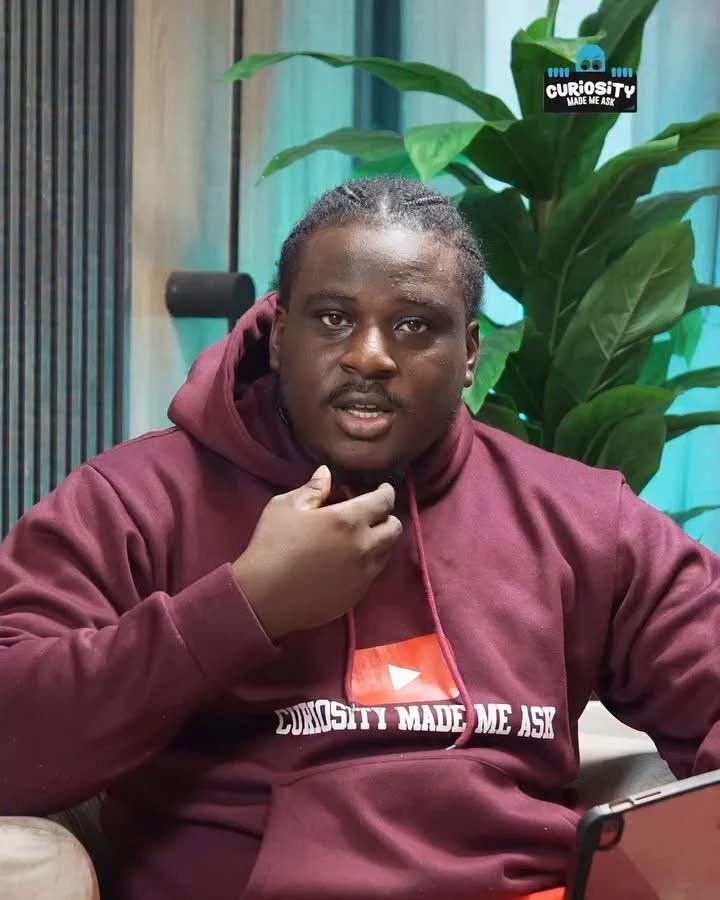
Several public figures and social media personalities also reacted to the allegations. Among them was social media activist Martins Otse, popularly known as VeryDarkMan, who publicly disclosed that he had sent Mirabel financial assistance.
Other Nigerians reportedly contributed money after believing her account and seeking to support her during what they understood to be a traumatic experience.
The allegations also prompted intervention from the Lagos State Domestic and Sexual Violence Agency and the Ogun State Police Command.
Mirabel Admits the Allegation Was Fabricated
The situation changed dramatically when Mirabel admitted during a recorded telephone conversation with VeryDarkMan that her rape allegation was false.
According to reports published by Premium Times on February 20, she acknowledged that she fabricated the story and created another TikTok account to make the alleged attack appear credible.
The admission generated widespread criticism, particularly among people who had supported her and those who had initially demanded justice for the alleged assault.
The revelation also raised concerns about the potential consequences of fabricating allegations involving sexual violence.
Many Nigerians questioned how the incident could affect public confidence in genuine survivors who report sexual assault and depend on public support to seek justice.
However, the controversy also generated discussions about the importance of investigating allegations carefully and allowing relevant authorities to establish the facts before conclusions are reached.
Ogun Government Confirms Findings
On June 24, 2026, the Ogun State Government announced that investigations had established that Mirabel’s rape allegation was deliberately fabricated.
The state’s Attorney-General and Commissioner for Justice, Oluwasina Ogungbade, said findings by relevant authorities, alongside Mirabel’s admissions, confirmed that the allegation was false.
According to TheCable, the government subsequently decided against prosecuting her and opted for psychosocial rehabilitation.
Mirabel was placed under the care of the Ogun State Ministry of Women Affairs and Social Development, where she received support.
The government also indicated that she was responding positively to rehabilitation and preparing to continue her academic pursuits.
The decision brought an important development to a controversy that had generated considerable public attention and debate about accountability, justice and the responsible use of social media.
Return to Social Media and Renewed Controversy
After spending several months away from public attention, Mirabel returned to social media in August 2026.
Her return generated fresh reactions, particularly from Nigerians who had followed the earlier controversy.
In one of her posts, she wrote, “I survived, so I’m awaiting your hate comments.”
Her return reopened discussions about the fabricated allegation, the financial assistance she received and the consequences of her actions.
The controversy resurfaced again in November following a livestream in which she addressed criticism over the money contributed by members of the public.
According to reports published on November 26 by Ladun Liadi News, Mirabel questioned why critics continued to raise the issue of the approximately ₦300,000 donation.
She reportedly argued that the money had made no significant difference to her life and rejected suggestions that she had spent the months away from social media enjoying the contributions.
Her comments attracted further criticism from social media users, with some questioning her attitude towards people who had supported her.
The renewed debate has placed her relationship with former supporters under further scrutiny.
Why the Controversy Matters
The Mirabel incident highlights the consequences that misinformation can have when serious allegations spread rapidly across social media platforms.
Sexual violence remains a serious concern in Nigeria and across Africa. Many survivors face social stigma, fear, intimidation and difficulties accessing justice.
When fabricated allegations emerge, they risk creating additional distrust and making it more difficult for genuine survivors to receive public sympathy and support.
At the same time, the controversy demonstrates the importance of responsible online fundraising and the need for members of the public to exercise caution when responding to viral claims.
Social media platforms have made it easier for individuals to reach millions of people within hours. However, the speed at which information spreads does not guarantee its accuracy.
The case also raises questions about the responsibilities of influencers and public personalities who amplify sensitive allegations before investigations establish what happened.
For journalists, the development reinforces the importance of verification, careful attribution and respect for due process, particularly when reporting sexual violence and criminal allegations.
What Happens Next?
The Ogun State Government’s decision to pursue psychosocial rehabilitation rather than prosecution marked a significant part of the official response to the case.
However, Mirabel’s recent return to social media and renewed exchanges with critics have brought the controversy back into public discussion.
Her reported apology over the betrayal of supporters adds another dimension to the debate, although the specific circumstances and full wording of the latest apology require further confirmation.
The incident remains a reminder that public trust, once damaged by misinformation, can be difficult to restore.
For those who initially supported Mirabel, the controversy has raised questions about accountability, honesty and the responsibilities attached to receiving public assistance.
For genuine survivors of sexual violence, it has renewed concerns about the possibility that fabricated cases could make an already difficult journey towards justice even more challenging.
Weng Global – Stories beyond borders
Sources
- Premium Times – TikToker Mirabel recants rape claim as Ogun govt hands her to police after treatment.
- TheCable – TikToker Mirabel’s rape allegation was fabricated, says Ogun Attorney-General.
- Punch – Sexual assault: Lagos warns against false claims in viral TikToker case.
- TheCable Lifestyle – Mirabel returns to social media after Ogun rehabilitation.
- Ladun Liadi News – Mirabel slams critics over ₦300K donation.