Reported by Weng Patrick Atokor l Journalist at Weng Global
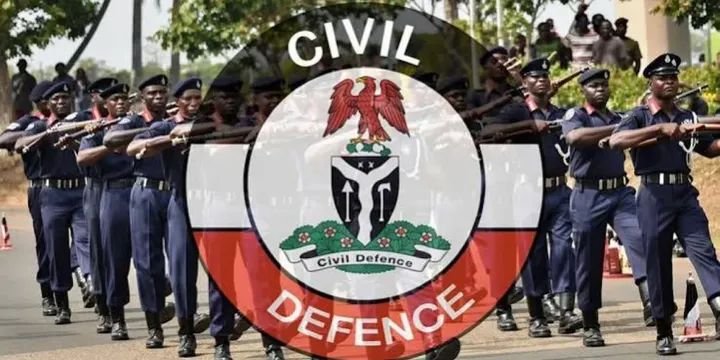
The Nigeria Security and Civil Defence Corps (NSCDC) has announced plans to deploy uniformed and undercover personnel across the Federal Capital Territory (FCT) to strengthen security monitoring ahead of Nigeria’s 2027 general elections.
The deployment is expected to support intelligence gathering, surveillance and security monitoring before, during and after the elections, with personnel tasked with providing situation reports to help authorities identify potential threats and respond to emerging security challenges.
The initiative forms part of broader preparations by security agencies to protect voters, electoral officials, sensitive election materials and other stakeholders during the electoral process.
NSCDC Strengthens Election Security Preparations
The planned deployment reflects the growing attention being given to election security as Nigeria approaches the 2027 general elections.
By combining uniformed personnel with undercover operatives, the NSCDC aims to strengthen its ability to monitor developments across the FCT and obtain information about activities that could threaten peaceful electoral conduct.
While uniformed officers provide visible security at designated locations, undercover operatives can support intelligence gathering by observing developments and identifying potential security concerns without necessarily attracting public attention.
The situation reports expected from personnel will provide information on security conditions across the territory, helping the command monitor developments and identify areas requiring attention.
The arrangement is particularly relevant in areas where political tensions, intimidation, electoral malpractice or other security threats could disrupt the voting process.
However, the specific number of undercover officers to be deployed, their operational locations and the detailed timetable for the exercise have not been publicly established in the available information.
Previous Election Experience Informs 2027 Plans
The NSCDC’s preparations build on its previous involvement in election security operations within the Federal Capital Territory.
During the February 21, 2026, FCT Area Council elections, the command deployed approximately 4,000 personnel across the territory’s six area councils.
According to reports by THISDAY and BusinessDay, FCT Commandant, Dr Olusola Odumosu, disclosed that covert operatives had been positioned in identified security flashpoints ahead of the elections.
The operatives were tasked with surveillance and monitoring activities aimed at identifying potential threats and preventing security breaches.
Odumosu also explained that the command’s security responsibilities extended beyond election day, with preparations covering the period before, during and after the polls.
The experience provides an operational reference for the Corps as it prepares for the larger national electoral exercise scheduled for 2027.
It also highlights the importance of intelligence-led security operations in identifying potential threats before they develop into incidents capable of disrupting voting.
NSCDC Trains Personnel Ahead of 2027 General Elections
Beyond the planned deployment, the Corps has undertaken additional measures to improve personnel readiness and professionalism ahead of the elections.
On October 27, 2026, the NSCDC Commandant-General, Professor Ahmed Abubakar Audi, opened a three-day workshop for 216 officers drawn from the 36 state commands, the Federal Capital Territory and 18 zonal commands.
The workshop focused on the responsibilities of security agencies during elections, including legal frameworks, field conduct, supervision and operational procedures.
According to the Voice of Nigeria, Audi instructed personnel to maintain political neutrality, discipline and professionalism throughout the electoral period.
He warned officers against voter intimidation, abuse of citizens, abandoning duty posts and complying with unlawful orders.
The Commandant-General stressed that the national interest must remain the priority of security personnel, particularly when carrying out assignments connected with the electoral process.
The training is intended to strengthen officers’ understanding of their responsibilities and ensure that security operations do not undermine citizens’ democratic rights.
Inter-Agency Cooperation Remains Important
Election security in Nigeria involves several institutions working within their respective responsibilities.
The Nigeria Police Force, military, Department of State Services and NSCDC are among the security institutions expected to contribute to maintaining public order and protecting the electoral process.
In September 2026, the News Agency of Nigeria reported that the police, Nigerian Navy and NSCDC had pledged to strengthen cooperation ahead of the 2027 general elections.
The commitment was made during a seminar in Abuja examining the roles of security agencies in conducting free, fair and credible elections.
Representatives at the event emphasised the importance of coordinated security arrangements, professional conduct and protecting citizens from intimidation.
The discussions also highlighted the need for security personnel to remain impartial and avoid unnecessary use of force.
For the NSCDC, cooperation with other agencies will be important in ensuring that intelligence gathered through surveillance and field monitoring can contribute to an effective security response.
Such coordination is particularly important where security concerns extend across different communities, polling locations and administrative areas.
Why Undercover Election Monitoring Matters
Undercover operations can provide security agencies with additional information about developments that may not be easily identified through conventional patrols.
During elections, potential threats may include political violence, intimidation of voters, attempts to disrupt voting activities, attacks on electoral materials and activities capable of undermining public confidence in the process.
Intelligence gathering can help security authorities identify emerging risks and determine where additional security measures may be necessary.
For voters in the FCT, effective monitoring could contribute to a safer environment in which citizens can participate in the electoral process without fear of harassment or violence.
However, the effectiveness of such operations will depend not only on the presence of security personnel but also on their professionalism, accountability and respect for the law.
Undercover monitoring must remain focused on legitimate security responsibilities rather than political activities or the intimidation of citizens.
The neutrality of security agencies is particularly important in an election period, when public confidence in the impartiality of state institutions is essential.
Protecting Voters and Electoral Credibility
The planned deployment comes amid wider concerns about political violence, misinformation and other developments that could threaten peaceful elections in Nigeria.
A report published by The Punch on November 11, 2026, said the National Peace Committee identified 109 breaches of the National Peace Accord across 26 states and the FCT during a 10-week monitoring period between August 19 and October 27.
The reported violations included political violence, thuggery, misinformation and disinformation.
The findings underline the importance of preventive measures and stronger coordination among institutions responsible for protecting the democratic process.
Although the monitoring report does not establish that every recorded incident will result in election-related violence, it provides an indication of the challenges that authorities and political stakeholders must address ahead of 2027.
For the FCT, the NSCDC’s proposed combination of visible security deployment and undercover monitoring could strengthen efforts to identify and respond to emerging threats.
Nevertheless, security arrangements must be implemented in a manner that protects the rights of voters, political participants, journalists, election observers and other citizens.
What Happens Next?
The implementation of the planned undercover deployment will be an important part of the NSCDC’s preparations for the 2027 general elections in the Federal Capital Territory.
Attention will be on how the command organises its personnel, coordinates intelligence gathering and works with other security agencies as the election period approaches.
Further operational details, including the number of personnel involved, specific deployment locations and monitoring arrangements, will be important in assessing the scale of the exercise.
The broader responsibility will be to ensure that security operations remain professional, impartial and consistent with Nigeria’s electoral laws and democratic principles.
Ultimately, the success of the preparations will be measured by the ability of security agencies to protect voters, prevent violence and create an environment in which citizens can freely exercise their democratic rights.
As Nigeria moves towards the 2027 general elections, effective intelligence gathering, inter-agency cooperation and respect for the rule of law will remain essential to peaceful and credible polls.
Weng Global – Stories beyond borders
Sources
- Voice of Nigeria – NSCDC Urges Personnel to Uphold Neutrality Ahead of Elections, October 27, 2026.
- News Agency of Nigeria – 2027 Elections: Police, Military, NSCDC Pledge Inter-Agency Synergy, September 14, 2026.
- THISDAY – NSCDC Mobilises 4,000 Personnel to Safeguard FCT Area Council Polls, February 2026.
- BusinessDay – NSCDC Deploys 4,000 Personnel for FCT Council Polls, February 2026.
- The Punch – 2027: Abdulsalami Panel Flags 109 Breaches, Warns of Election Violence, November 11, 2026.