Reported by Weng Patrick Atokor l Journalist at Weng Global
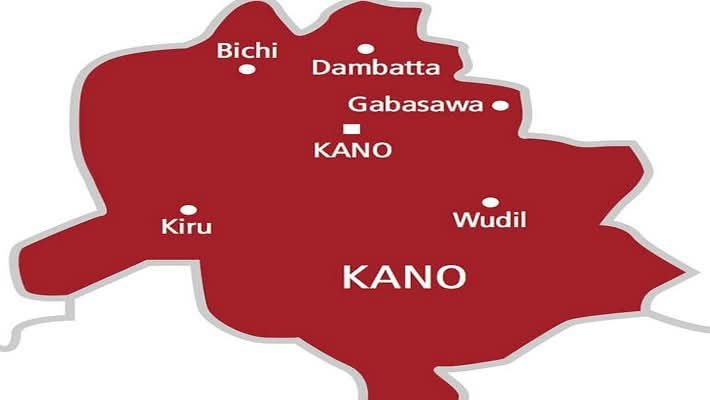
Kano State has recorded more than 17,000 cases of pneumonia among children, raising concerns about the burden of childhood respiratory infections and the risks facing vulnerable families across the state.
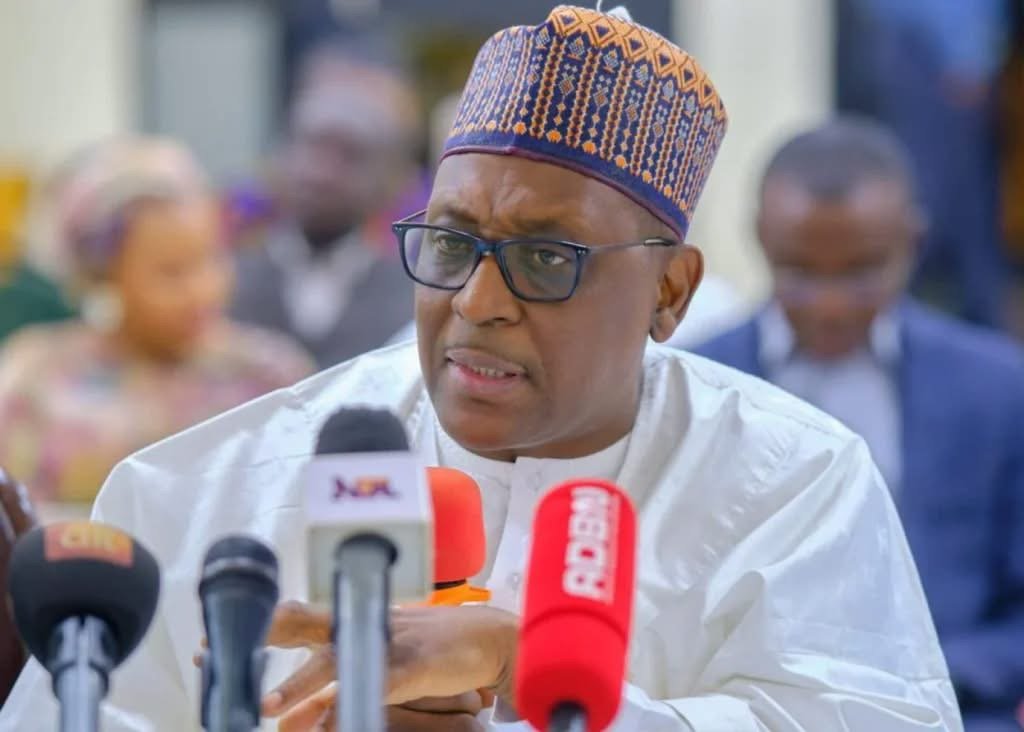
The Kano State Commissioner for Health, Dr Abubakar Labaran Yusuf, disclosed the figure during an event commemorating World Pneumonia Day and World Diabetes Day in Kano on Thursday, November 12, 2026.
The commissioner also revealed that more than 300,000 children had been affected by pneumonia across Nigeria this year, highlighting the wider public health challenge facing the country.
He warned that pneumonia could become life-threatening, particularly among young children, and identified malnutrition as an important factor that increases children’s vulnerability to the infection and can make its effects more severe.
The disclosure has drawn attention to the relationship between childhood nutrition, disease prevention and access to timely healthcare, particularly in communities where families face difficulties obtaining adequate food and medical services.
Malnutrition Increases the Risks Associated With Childhood Pneumonia
Malnutrition remains an important concern in childhood healthcare because children who do not receive adequate nutrition may have weaker immune systems and face greater difficulty fighting infections.
According to the health commissioner, poor nutritional conditions increase the risk and severity of pneumonia among children, making early diagnosis and appropriate medical attention particularly important.
Pneumonia is an infection that affects the lungs and can cause the air sacs to fill with fluid or pus, making breathing difficult. Symptoms may include coughing, fever, rapid breathing and difficulty breathing.
The infection can affect people of different ages, but young children are particularly vulnerable to severe illness.
For children already experiencing malnutrition, an additional infection can further weaken their health and increase the possibility of complications.
The connection between nutrition and infectious diseases makes childhood pneumonia a concern that extends beyond hospital treatment. Preventing severe cases also requires attention to children’s nutritional needs, immunisation, household conditions and access to primary healthcare.
Kano Government Says Healthcare Workers Have Received Specialised Training
The Kano State Government has identified improved healthcare delivery as part of its response to childhood illnesses, including pneumonia.
Yusuf said healthcare workers in the state had received training in specialised approaches to managing childhood illnesses.
According to the commissioner, the training was intended to improve the quality of medical services available to children and strengthen efforts to reduce deaths associated with pneumonia.
However, the announcement did not specify how many healthcare workers had undergone the training, the facilities involved or the number of children who had benefited from the interventions.
The absence of these details makes it difficult to assess the extent of the programme’s coverage across Kano’s healthcare system.
For a state reporting more than 17,000 childhood pneumonia diagnoses, expanding access to trained healthcare professionals and properly equipped health facilities will be important in ensuring that children receive appropriate treatment.
What the World Health Organisation Says About Childhood Pneumonia
The World Health Organisation identifies pneumonia as a major cause of illness and death among children under five worldwide.
The organisation explains that the infection can be caused by bacteria, viruses or fungi. It affects the lungs, where the air sacs can fill with fluid or pus, restricting oxygen intake and making breathing difficult.
The WHO identifies several factors that increase children’s vulnerability, including malnutrition, weakened immunity, indoor air pollution and overcrowded living conditions.
Importantly, the organisation emphasises that childhood pneumonia is preventable and treatable through a combination of vaccination, adequate nutrition, appropriate medical attention and improved living environments.
Vaccination against diseases including pneumococcal infections, measles, whooping cough and Haemophilus influenzae type b (Hib) is among the recommended preventive measures.
The WHO also identifies exclusive breastfeeding during the first six months of life as an important nutritional intervention that helps strengthen infants’ natural defences against infections.
For bacterial pneumonia, appropriate antibiotics can be effective, while severe cases may require hospitalisation.
These interventions demonstrate why tackling childhood pneumonia requires more than treating children after they become ill. Preventive healthcare, nutrition programmes and accessible primary healthcare services are equally important.
Nigeria’s Wider Childhood Pneumonia Challenge
Kano’s reported cases form part of a wider public health challenge in Nigeria, where childhood pneumonia has historically accounted for a significant proportion of deaths among children under five.
In a November 2019 report, UNICEF identified Nigeria as the country with the highest estimated number of childhood pneumonia deaths globally at the time.
The organisation reported that approximately 162,000 Nigerian children under five died from pneumonia in 2018, representing about 19 per cent of child deaths in the country that year.
UNICEF also identified malnutrition, indoor air pollution and outdoor air pollution as important risk factors contributing to childhood pneumonia deaths.
In a separate November 2021 report, UNICEF highlighted the impact of air pollution, particularly pollution caused by cooking with solid fuels in poorly ventilated homes.
The organisation stressed that many childhood pneumonia deaths could be prevented through vaccination, improved access to treatment and interventions addressing environmental and nutritional risks.
These historical figures should not be confused with the latest national statistics. Nevertheless, they demonstrate that childhood pneumonia has remained a major concern for Nigeria’s healthcare system.
Nigeria’s Federal Ministry of Health has also recognised pneumonia as a significant child-survival challenge through its national pneumonia control strategy, which focuses on prevention, diagnosis, treatment and strengthening healthcare delivery.
The latest figure announced by the Kano health commissioner therefore adds to the urgency of improving child-health interventions at both state and national levels.
More Than 1,000 Kano Health Facilities Receive Medical Equipment
Beyond childhood pneumonia, the Kano health commissioner also discussed the government’s efforts to improve diabetes screening and management.
Yusuf disclosed that more than 1,000 health facilities across the state had benefited from the distribution of medical equipment intended to strengthen diabetes screening and treatment.
He also estimated that approximately 7.5 per cent of Kano residents were living with diabetes.
The commissioner described diabetes as a serious health condition requiring proper management to prevent complications.
Although the equipment distribution was discussed in connection with diabetes services, the announcement highlights the government’s broader efforts to strengthen healthcare infrastructure across the state.
However, the ministry did not provide a breakdown of the equipment distributed, the individual facilities that received it or the specific improvements recorded in patient care.
The government also did not announce a separate funding allocation or additional equipment programme specifically targeting childhood pneumonia during the event.
Why the 17,000 Pneumonia Cases Matter
The reported 17,000 childhood pneumonia diagnoses present an important public health concern for Kano State, particularly because children are among the most vulnerable members of the population.
The figure also raises questions about access to early diagnosis, nutritional support, vaccination coverage and the availability of qualified healthcare professionals.
For families, the consequences of childhood pneumonia can extend beyond medical expenses. Severe infections may require hospital admission, prolonged treatment and additional care, placing financial and emotional pressure on households.
The situation also highlights the importance of addressing malnutrition as part of broader efforts to improve child survival.
Healthcare interventions that focus exclusively on treating infections may not adequately address the underlying conditions that make children more vulnerable to severe illness.
Improving childhood nutrition, strengthening immunisation programmes, expanding community healthcare and ensuring that medical facilities have the necessary resources could help reduce the burden.
There is also a need for public awareness programmes that help parents and caregivers recognise warning signs and seek medical attention without unnecessary delays.
What Happens Next?
The Kano State Ministry of Health has indicated that it will continue public awareness campaigns focused on preventing, detecting and properly managing childhood pneumonia and diabetes.
The commissioner also urged residents to make use of available healthcare services and seek medical attention early to prevent complications.
However, important details remain outstanding, including the geographical distribution of the 17,000 pneumonia diagnoses, the age groups affected, the number of children requiring hospitalisation and the outcomes of treatment.
The ministry has also not provided a detailed breakdown of the state’s specialised healthcare training programme or announced specific new targets for reducing childhood pneumonia cases.
Providing these figures would help residents, healthcare professionals and development partners better understand the scale of the problem and assess the effectiveness of government interventions.
For Kano, the immediate challenge will be translating public health commitments into accessible services that protect children, particularly those living in households affected by poverty and inadequate nutrition.
The reported cases also reinforce the importance of sustained investment in preventive healthcare, child nutrition and stronger primary healthcare services across Nigeria.
Weng Global will continue to follow developments in Nigeria’s public health sector and efforts to improve healthcare access and child survival.
Weng Global – Stories beyond borders
Sources
- Kano State Ministry of Health – Statement by the Commissioner for Health, Dr Abubakar Labaran Yusuf, as reported by The Punch.
- The Punch – 17,000 Kano Children Diagnosed With Pneumonia – Commissioner.
- Tribune Online – Kano Records Over 17,000 Childhood Pneumonia Cases.
- World Health Organisation – Pneumonia in Children.
- UNICEF – Nigeria Contributes Highest Number to Global Pneumonia Child Deaths.
- UNICEF – Nigeria Has Highest Number of Air Pollution-Related Child Pneumonia Deaths.
- Nigeria Federal Ministry of Health – Nigeria Child Survival Action Plan 2025–2029.